University of California, San Francisco
UCSF does not have a football team. It does not have an undergraduate program. What it has is a concentration of medical and biological research talent that consistently ranks among the best in the world. The University of California, San Francisco is the only UC campus devoted entirely to health sciences and life sciences, a distinction that makes it invisible to most people's idea of a university while making it indispensable to the advancement of medicine. Six Nobel Prize winners have been associated with the institution. The research conducted on its Parnassus Heights campus, nestled against the slopes of Mount Sutro, has shaped how the world understands and treats disease.
A University Without Undergrads
UCSF's origins trace to the medical department of the University of California, established in 1864 as one of the first medical schools on the Pacific Coast. It became a separate campus focused exclusively on graduate education in the health sciences -- medicine, nursing, dentistry, pharmacy, and biological research. This narrow focus gives UCSF an intensity that broader universities cannot match. Every student, every researcher, every faculty member is working on some aspect of human health. The campus itself, spread across several sites in San Francisco including the main Parnassus Heights location beneath Sutro Tower, feels more like a research hospital complex than a traditional university.
The Research Engine
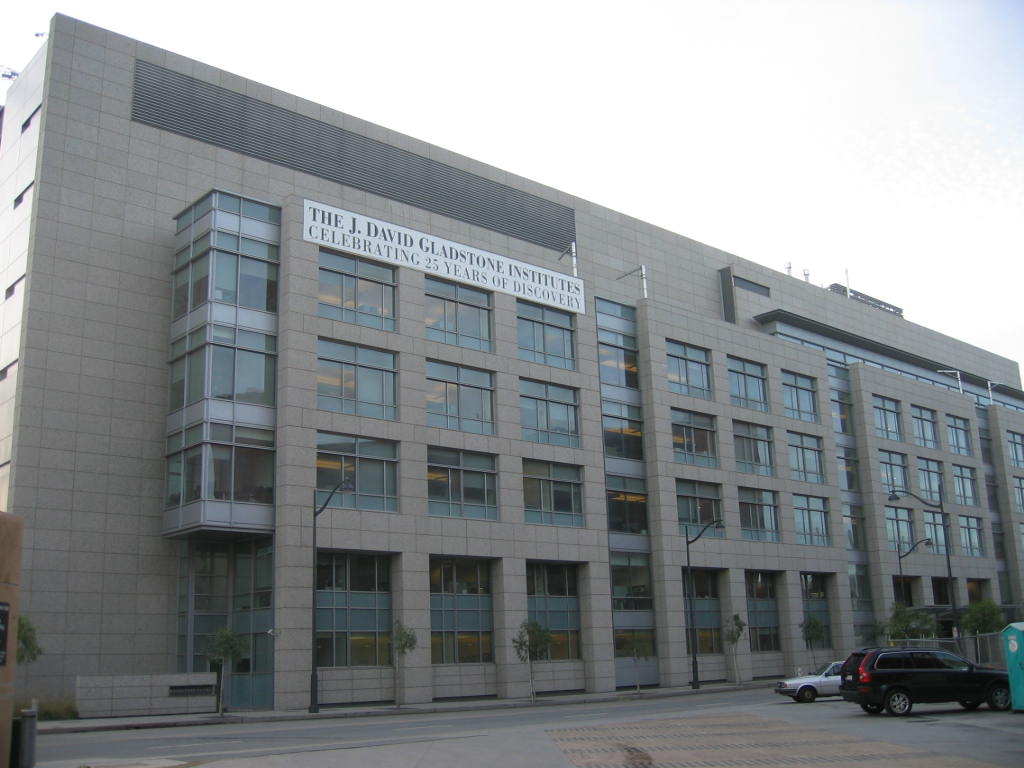
UCSF consistently ranks among the top recipients of National Institutes of Health research funding. Its contributions to medicine include pioneering work in HIV/AIDS treatment during the epidemic that devastated San Francisco, advances in neuroscience and genetics, and foundational research that helped launch the biotechnology industry in the Bay Area. The proximity of UCSF's laboratories to the biotech corridor that stretches from South San Francisco to the Mission Bay campus has created a pipeline between academic research and commercial application. The Mission Bay campus, opened in 2003, sits on 43 acres of former Southern Pacific railyard and houses research facilities that were designed to foster collaboration across disciplines.
Mount Sutro's Laboratory
The Parnassus Heights campus occupies a dramatic hillside location, with Mount Sutro's eucalyptus forest rising behind it and Sutro Tower's distinctive silhouette above. The juxtaposition of medical research facilities and urban wilderness is characteristically San Francisco. Students and researchers work in buildings with views of the Pacific Ocean on clear days, then walk home through neighborhoods where Victorian houses climb impossible hills. UCSF's contribution to San Francisco is quiet compared to the tech industry's noisy disruptions, but it is arguably deeper: the university has been training doctors, advancing medical knowledge, and caring for the city's sick since before the 1906 earthquake.
From the Air
UCSF's Parnassus Heights campus is at 37.76N, -122.46W, on the slopes of Mount Sutro in central San Francisco. Sutro Tower, the distinctive three-pronged antenna tower, is the most prominent nearby landmark visible from the air. The Mission Bay campus is at 37.77N, -122.39W near the waterfront. Nearest airports: KSFO 10nm south, KOAK 9nm east.