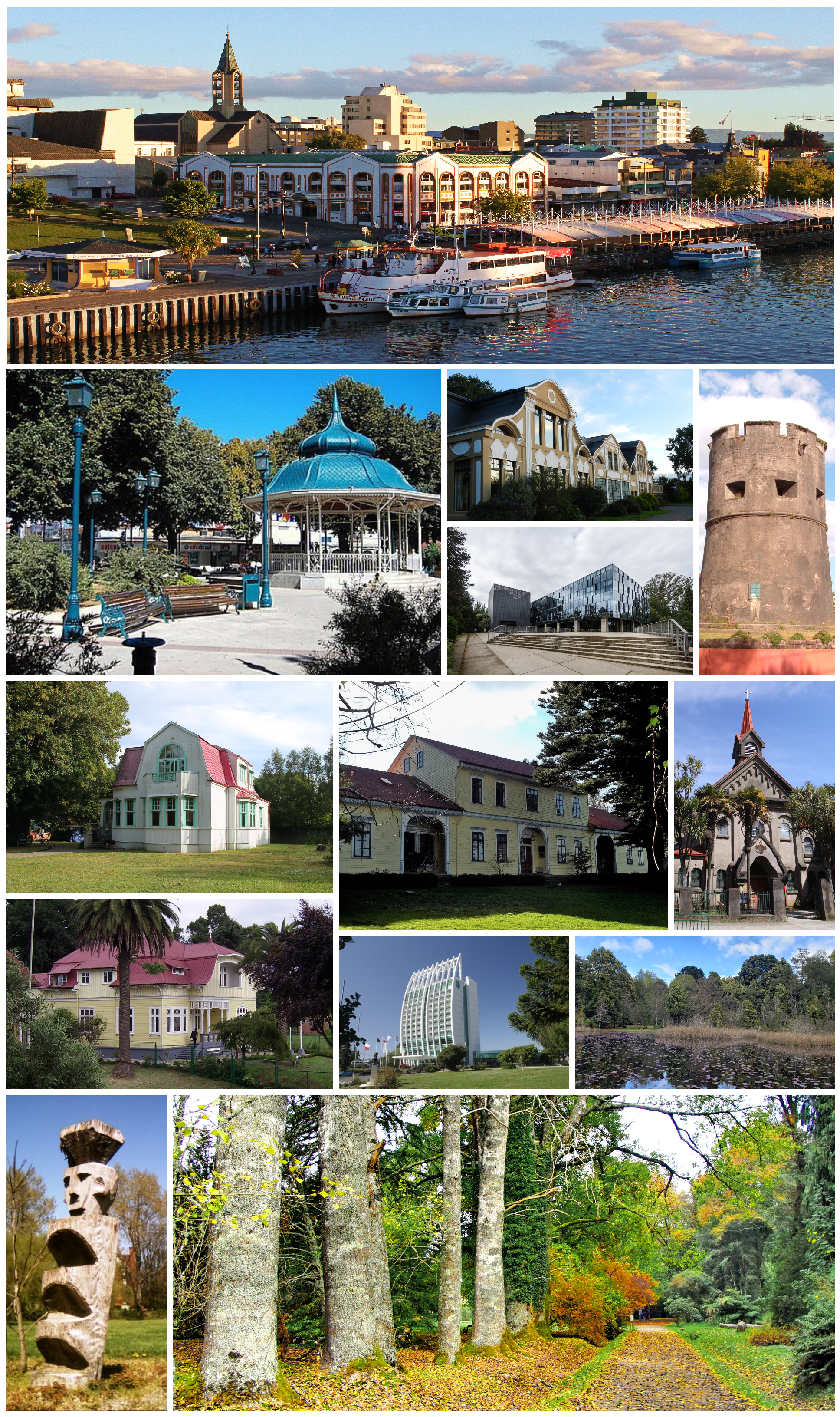
Valdivia
The scent of fresh seafood mingles with the yeasty promise of craft beer as you approach Valdivia's famed Feria Fluvial. At the riverside fish market, bulky sea lions lounge on the stone embankment, barking for scraps while pelicans wheel overhead, patient opportunists in this daily theater of commerce. This is Valdivia, where three rivers converge beneath centuries-old German architecture, where nature and gastronomy intertwine so seamlessly that the city has earned two nicknames: the Pearl of the South and the Beer Capital of Chile. Founded in 1552 by conquistador Pedro de Valdivia as one of Chile's earliest colonial settlements, this riverside city of 150,000 has weathered centuries of conflict and catastrophe, including the most powerful earthquake ever recorded. Yet it has emerged as one of Chile's most livable destinations, a place where clean streets wind past timber-framed houses, and every evening promises the clink of locally brewed cerveza artesanal.
A Strategic Fortress at the Southern Sea
During colonial times, Valdivia earned the sobriquet 'the key to the southern sea,' a strategic chokepoint controlling access to the Pacific Ocean. The Spanish fortified it heavily against both European rivals and indigenous resistance. Today, boat tours depart from the fish market to explore the ruins of 17th-century Spanish forts scattered along the waterways leading to Corral Bay, some 15 kilometers distant. These five-hour cruises wind through forests and past crumbling stone battlements, eventually reaching the Pacific itself. The journey offers a tangible connection to centuries when this river city was worth fighting over.
The Great Earthquake
On May 22, 1960, the earth beneath southern Chile convulsed with unprecedented violence. The Valdivia Earthquake, as it became known, measured 9.5 on the Richter scale, the most powerful seismic event in recorded human history. The tremor devastated the city and surrounding region, reshaping landscapes and communities. Yet Valdivia rebuilt, incorporating the trauma into its identity while restoring its elegant streetscapes. Today, General Lagos Street showcases beautifully preserved German-styled houses, each bearing a plaque marking its construction date and purpose, living monuments to resilience.
German Heritage and Sweet Traditions
German immigrants left an indelible mark on Valdivia, visible in the timber-and-stucco architecture lining its ordered streets. Their influence extends to the taste buds as well. Chocolateria Entrelagos and neighboring Chocolateria Peumayen, both located near the central square, offer marzipan and German-style desserts that would satisfy any Black Forest purist. At the Mercado Artesanal across from the fish market, artisans sell trinkets featuring the city's beloved sea lions. For beer enthusiasts, the pilgrimage leads to Isla Teja, where Cerveceria Kunstmann operates a restaurant within its brewery, or to the Barrio Regional near the hospital, home to Cerveceria Nothus.
River Life and Coastal Feasts
Valdivia's soul flows with its rivers. The Calle Calle, Cau-cau, and Cruces rivers create a watery maze that defines daily life and shapes seasonal celebrations. During summer months of January and February, the coastal village of Niebla hosts an evening food festival, with 40 to 50 stalls serving empanadas de mariscos and fresh asado until 11 PM, accompanied by folk music and dancing. The quintessential Valdivian dish is Curanto: a generous serving of steamed shellfish accompanied by boiled sausage, chicken leg, and potatoes. Look for the handwritten signs reading 'HOY CURANTO' to find where this traditional feast awaits.
From the Air
Coordinates: 39.80S, 73.23W. Elevation near sea level at the confluence of three rivers. Nearest airport: Pichoy Airport (ZAL/SCVD), approximately 32 km northeast of city center. The city is visible from altitude along the Chilean coast, with rivers creating a distinctive Y-shape pattern leading to Corral Bay and the Pacific Ocean.