Valenciana Mine
In 1803, Alexander von Humboldt descended into the Valenciana mine and came back up astonished. In his "Political Essay on the Kingdom of New Spain," he recorded that the mine had generated "four hundred to six hundred million pesos, at least, of annual utility" for its owners. Even by the standards of colonial excess, those numbers were extraordinary. Six kilometers northeast of Guanajuato's historic center, the Bocamina -- the mouth of the mine -- still opens in the earth directly behind the wall of the San Cayetano church, as if the wealth and the gratitude for it grew from the same hole in the ground.
A Young Man's Gamble
The mother vein of Guanajuato was discovered in 1548, but the Valenciana mine did not reach its peak until more than two centuries later. In 1760, a young man named Antonio de Obregon y Alcocer borrowed money from Pedro Luciano Otero, a merchant connected to the nearby Rayas mine. For eight years the two poured capital into the Valenciana with little to show for it. Then, in 1768, production surged. Within decades, the Valenciana was outproducing every mine in the Viceroyalty of Peru. The Spanish crown took notice. On March 20, 1780, King Charles III granted Obregon the titles of Viscount de la Mina and Count of La Valenciana -- nobility purchased not by blood but by silver pulled from Mexican rock.
The Church That Silver Built
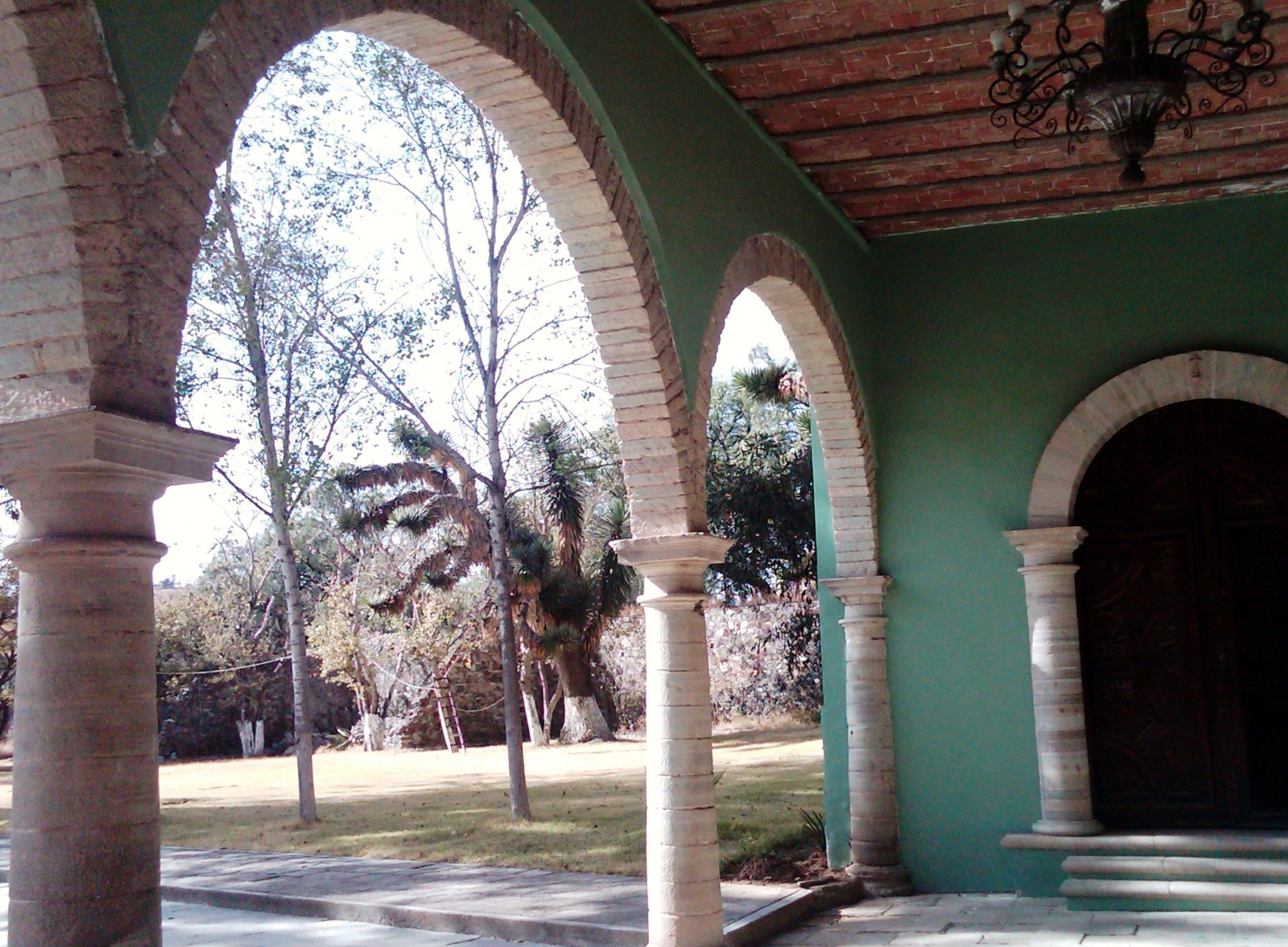
Obregon expressed his gratitude the way wealthy colonial miners did: he built a church. Construction of the Temple of San Cayetano began in 1775 and was completed in 1788, directed by architects Andres de la Riva and Jorge Archundia. The style is Churrigueresque -- an ornate variant of Baroque that favors cascading decoration over restraint -- with a facade carved from pink quarry stone. Inside, gilded altarpieces catch the light that filters through the nave. The church sits so close to the mine's entrance that the sacred and the industrial share a wall. Together, the Valenciana mine, the San Cayetano church, and the historic center of Guanajuato form a UNESCO World Heritage Site, recognized as much for the cultural landscape the silver economy created as for any single building.
Decline by Degrees
Silver does not last forever, and neither did the families who controlled it. When Obregon's son inherited the mine in 1788, the property was divided into twenty-four shares among three families. Production held for a time, but the nineteenth century brought floods, undercapitalization, and political upheaval. From 1848 to 1865, Francisca Perez de Galvez managed the operation as its fortunes drained. Her nephew Miguel Rul sold agricultural properties to inject capital into the mines, forming the Restorative Company of Valenciana in 1872. By 1878 he had pushed the Valenciana back to the top of Guanajuato's output, extracting 15,000 tons of ore in 1887. But the revival was brief: by 1889, output had collapsed to 2,400 tons, and global silver prices fell forty percent. When Rul died in 1897, the mine passed through the Olmedo family before being sold in 1904 to an American company.
From Revolution to Cooperative
The Mexican Revolution suspended most mining operations around Guanajuato. American capital revived the sector after 1922, but the crash of 1929 and declining ore quality brought another downturn. In 1936, miners at La Valenciana went on strike; the dispute lasted into 1937. When it ended, the mine changed hands for the last time -- not to another wealthy family or foreign corporation, but to the workers themselves. Section 4 of the National Union of Mining, Metallurgical, and Similar Workers formed the Cooperativa Minera Metalurgica Santa Fe de Guanajuato, which operates the mine to this day at a depth of 760 meters. A modern interactive museum, funded by the Mexican government, now occupies the surface facilities. Local guides lead visitors down a long, steep staircase into the workings, past stone walls that once echoed with the labor of thousands.
From the Air
Located at 21.04N, 101.26W, approximately 6 km northeast of Guanajuato's historic center at roughly 2,100 meters elevation. The mine complex and the adjacent San Cayetano church are visible from the air as a cluster of structures on the hillside above the city. Nearest airport: Del Bajio International (MMLO/BJX) approximately 30 km west. The mine is part of the UNESCO World Heritage Site that includes historic Guanajuato. Terrain is mountainous -- maintain safe altitude over the Sierra de Guanajuato.