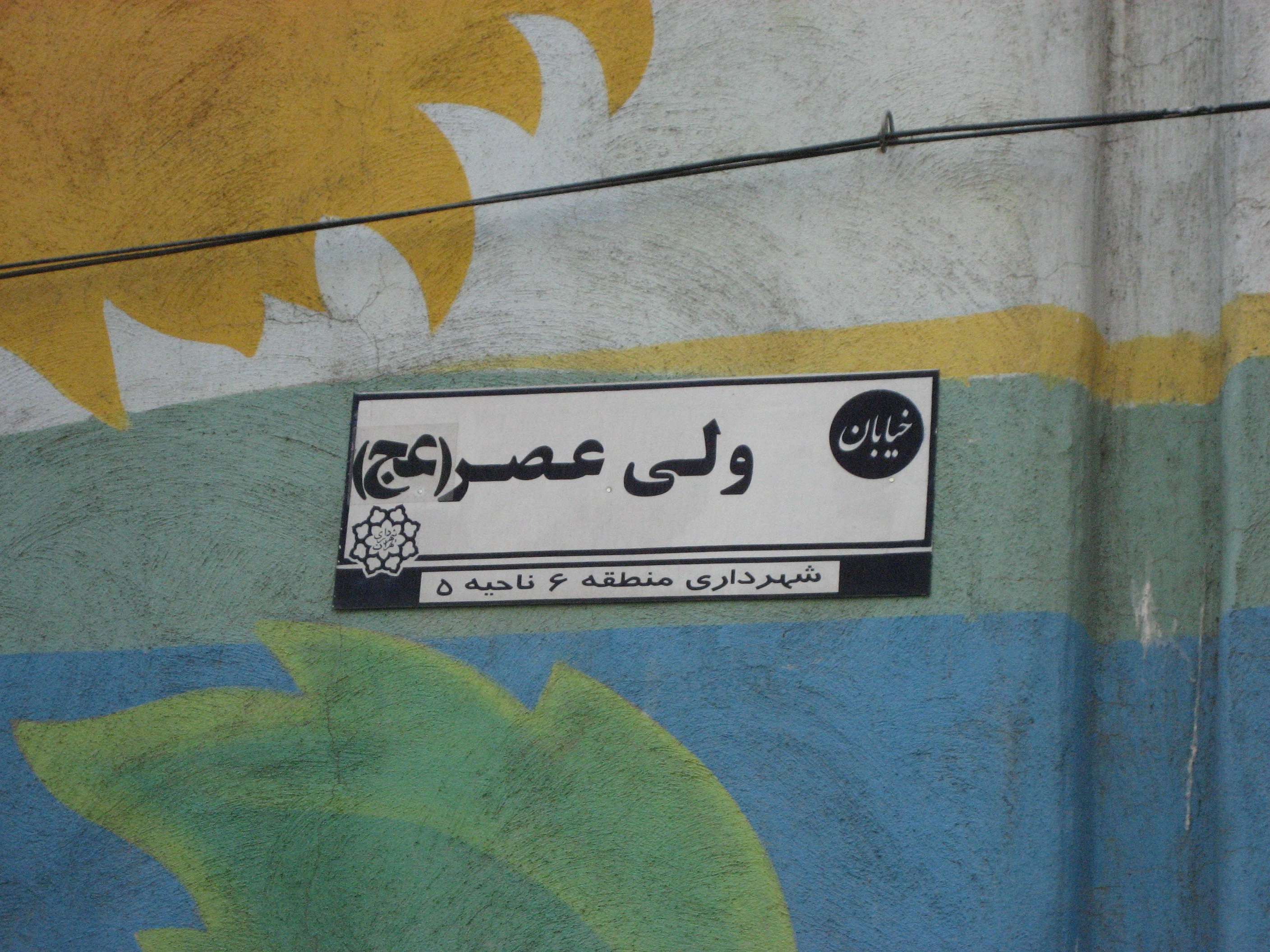
Valiasr Street
In 1946, twenty-four thousand plane trees lined Valiasr Street. By 2012, fewer than nine thousand remained. The trees are dying -- poisoned by pollution, strangled by construction, their roots gnawed by rats -- and Tehran mourns them like old friends. The Grammy Award-winning protest song "Baraye" references the trees of Valiasr as a symbol of everything Iranians fear losing. For a street, that is an extraordinary burden of meaning. But Valiasr is no ordinary street. Stretching 18 kilometers from Tehran's railway station in the south to Tajrish Square in the north, climbing nearly 500 meters in elevation along the way, it is the longest street in the Middle East and the closest thing Tehran has to a spine.
A Road Built for Kings
Before Reza Shah Pahlavi ordered its construction in the 1920s, the route was nothing more than a dirt track connecting the palaces of northern Tehran to the Marble Palace downtown. Reza Shah began buying land along the corridor, including property that had belonged to a daughter of Naser al-Din Shah Qajar, and commissioned a proper avenue to connect his royal residences. He named it Pahlavi Street. Plane trees were planted, a stream was built alongside the road, and in 1931 it became one of the first streets in Tehran to be asphalted. In 1938, rose bushes went in between the saplings, and wells were dug in Zafaraniyeh to irrigate them. Until 1940, the street was restricted to government officials. Only when Allied forces arrived in wartime Iran did it open to the public.
Three Names, One Boulevard
The street has been renamed twice, and each name tells a political story. Reza Shah called it Pahlavi Street, stamping his dynasty's identity onto Tehran's geography. After the 1979 Revolution, it was briefly renamed Mossadegh Street, honoring the nationalist prime minister who had been overthrown in a 1953 coup. That name did not stick. The revolutionary government settled on Valiasr -- a title for the 12th Shia Imam, the Mahdi -- transforming the boulevard from a monument to secular monarchy into a reference to messianic faith. Tehranis use all three names interchangeably, depending on their generation and politics. The street absorbs contradictions the way its plane trees once absorbed carbon dioxide.
The Dying Canopy
The plane trees were always the soul of Valiasr. Oriental planes can live for centuries, and the oldest specimens on the street date to the original 1920s plantings. But decades of urban assault have devastated them. Natural waterways that once fed the roots have been paved over. High-rise buildings block sunlight. Soil contamination and air pollution weaken what remains. In July 2022, a property owner deliberately poisoned 13 trees to improve the visibility of a building's facade -- and was fined $3.8 million for it. By 2023, authorities announced that 179 trees would need to be cut down and replaced. The decline from 24,000 to roughly 8,000 trees over seven decades is not just an environmental statistic. It is visible from the air: where the canopy once formed an unbroken green ribbon dividing Tehran east from west, gaps now interrupt the line like missing teeth.
A City in 18 Kilometers
Walking Valiasr from south to north is walking through Tehran's entire social geography. The southern end, near the railway station at 1,117 meters elevation, is working-class and dense, close to the Grand Bazaar. Moving north, the street passes the Tehran City Theatre, Mellat Park, and the cultural district, then climbs into the wealthier neighborhoods where luxury shops selling Rolex watches and Benetton clothing line the avenue. By the time you reach Tajrish Square at 1,612 meters elevation, the air is cooler and the money is older. The street never sleeps -- traffic clogs it at all hours, kiosks sell fresh juice and newspapers past midnight, and the sidewalk cafes fill every evening. For all the changes its trees have suffered, Valiasr remains the artery through which Tehran's daily life pumps.
From the Air
Located at approximately 35.733N, 51.411E, Valiasr Street runs 18 km north-south through Tehran, visible as a tree-lined corridor dividing the city. The street climbs from 1,117 m elevation at Tehran railway station to 1,612 m at Tajrish Square. Nearest airports: Mehrabad International (OIII) approximately 8 km west, Tehran Imam Khomeini International (OIIE) approximately 50 km south. Best viewed at 8,000-12,000 ft AGL where the green corridor is most visible against the urban grid.