Vancouver: The Glass City That Lives Outdoors
It shouldn't work. A city of 2.5 million pressed against mountains that drop directly into the ocean, with no flat land to expand into, weather that rains for months at a time, and housing costs that rival Hong Kong's. Yet Vancouver routinely tops livability rankings, and the people who complain loudest about living there never seem to leave. The combination is unique: glass towers reflecting mountains, ski slopes visible from downtown, Stanley Park's rainforest minutes from financial district, the ocean accessible from everywhere. The city perfected what's now called 'Vancouverism' - dense residential towers with ground-floor retail, public spaces instead of parking lots, transit instead of freeways. The model exported worldwide, but nowhere else has the backdrop: mountains, ocean, and the kind of natural beauty that makes the unaffordability almost bearable.
The Setting
Vancouver occupies a peninsula between Burrard Inlet and the Fraser River, pressed against the North Shore Mountains that rise directly from sea level to 5,000 feet. Stanley Park, a thousand-acre rainforest, forms the peninsula's tip. The Coast Mountains extend north into wilderness; ski runs at Grouse, Seymour, and Cypress are visible from downtown. The mild Pacific climate brings rain rather than snow to the city (the mountains get plenty of snow). The geography constrains expansion: ocean to the west and north, agricultural reserve to the south, mountains everywhere. The result is density by necessity, vertical growth because horizontal wasn't possible.
The Architecture
In the 1990s, Vancouver pioneered a new urban form: slender residential towers rising from townhouse bases, prioritizing views and light over footprint size. The style emerged from necessity - Asian investment flooded in as Hong Kong's 1997 handover approached, seeking safe harbor and familiar urban density. The glass towers multiplied, each angled to capture mountain or water views. The result polarizes: critics see generic luxury condos; defenders see innovative urban planning. The ground floors activate with retail and restaurants; the towers above reduce reliance on cars. The skyline is entirely modern - almost nothing predates 1970, as the city demolished its heritage before recognizing its value.
The Housing Crisis
Vancouver's livability has a price, literally. Average home prices exceed $1.2 million; rental vacancy rates are among North America's lowest. The causes compound: geography limits supply, foreign investment raises demand, speculation inflates prices, and nimbyism blocks density in single-family neighborhoods. Essential workers - teachers, nurses, service industry - commute hours from suburbs they can barely afford. The city that perfected livable urbanism has become unlivable for the people who make it work. Solutions remain contested: tax foreign buyers? upzone single-family areas? build social housing? The problems persist while the rankings continue to celebrate what's increasingly accessible only to the wealthy.
The Outdoors
Vancouverites accept the bargain: earn less, pay more, but live here. The payoff is immediate access to wilderness. Morning coffee, afternoon ski, evening kayak - all possible without leaving the metropolitan area. The Grouse Grind trail climbs 2,800 feet from parking lot to summit; locals do it as exercise. The seawall encircles Stanley Park, connecting to dozens of miles of waterfront paths. Salmon run through urban streams; orcas pass through Burrard Inlet; black bears occasionally wander into neighborhoods. The outdoor culture isn't affectation; it's compensation for living costs that shouldn't be possible. You pay for the view; you use the view daily.
Visiting Vancouver
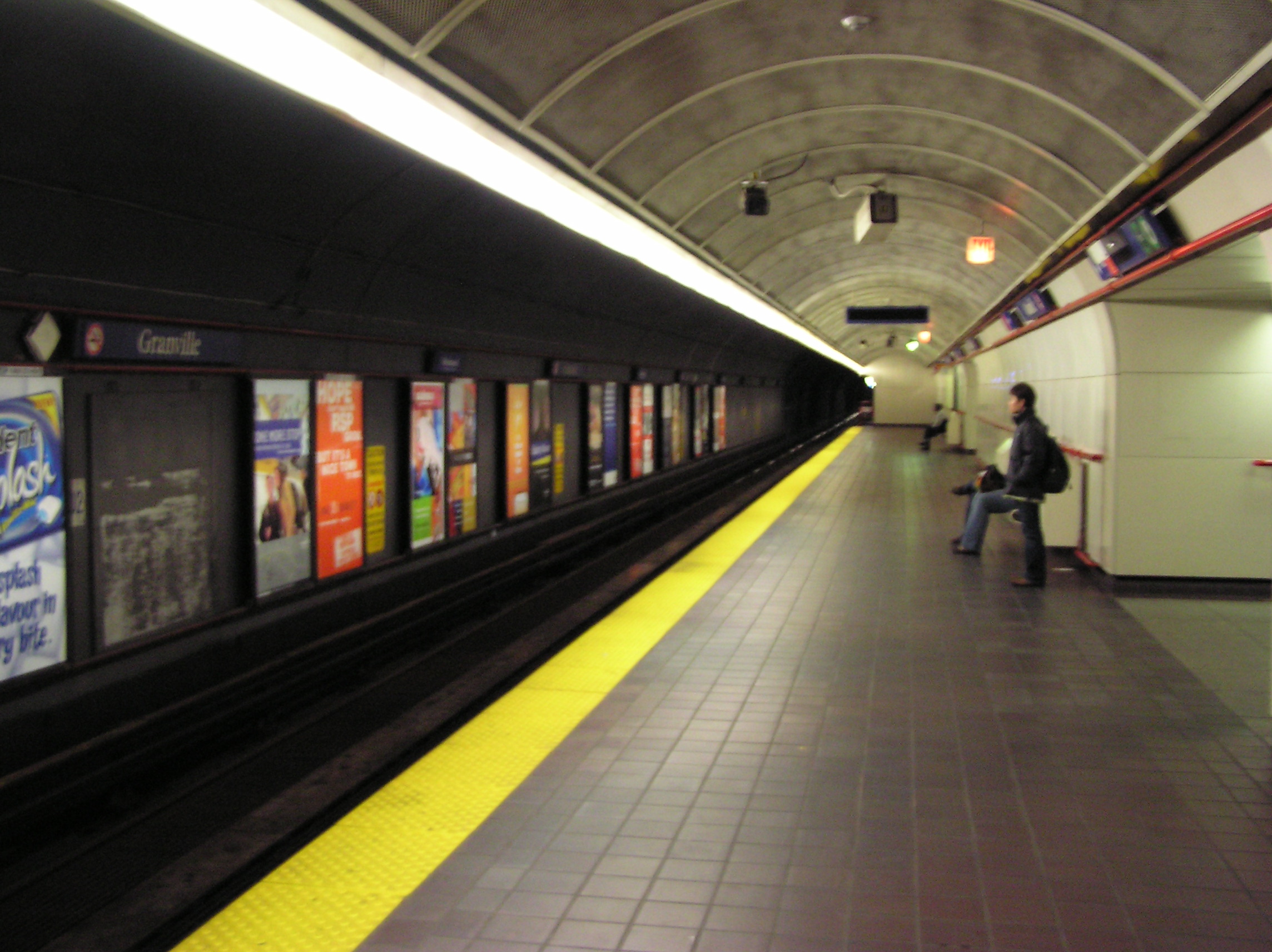
Vancouver is located in southwestern British Columbia, accessible via Vancouver International Airport. Downtown is compact and walkable; SkyTrain connects airport to city center. Stanley Park's seawall offers quintessential Vancouver views - mountains, ocean, and towers together. Granville Island's public market provides food and crafts. Gastown's Victorian architecture and steam clock offer heritage atmosphere. Grouse Mountain's Skyride provides summit access; hiking the Grind earns bragging rights. Capilano Suspension Bridge crosses rainforest canyon. Rain gear is essential October through April; umbrellas mark tourists (locals just accept wetness). Dim sum in Richmond rivals Hong Kong's. The experience reveals why people accept impossible costs: the beauty really is that good.
From the Air
Located at 49.28°N, 123.12°W on Canada's Pacific coast where the Fraser River meets the ocean. From altitude, Vancouver appears as a glass and steel cluster on a peninsula, Stanley Park's green tip pointing northwest. The North Shore Mountains rise dramatically behind the city, snow-capped much of the year; ski runs are visible as cleared stripes on forested slopes. Burrard Inlet cuts inland; the Lions Gate Bridge spans its mouth. English Bay curves south; the Fraser River delta spreads toward the US border. The contrast is striking: urban density pressed against wilderness, glass towers reflecting mountains, a metropolis that seems to have run out of room the day it was founded. What appears from altitude as constrained geography is the reason for everything: the density, the beauty, the cost, and the lifestyle that makes it worth it.