Vancouver Island
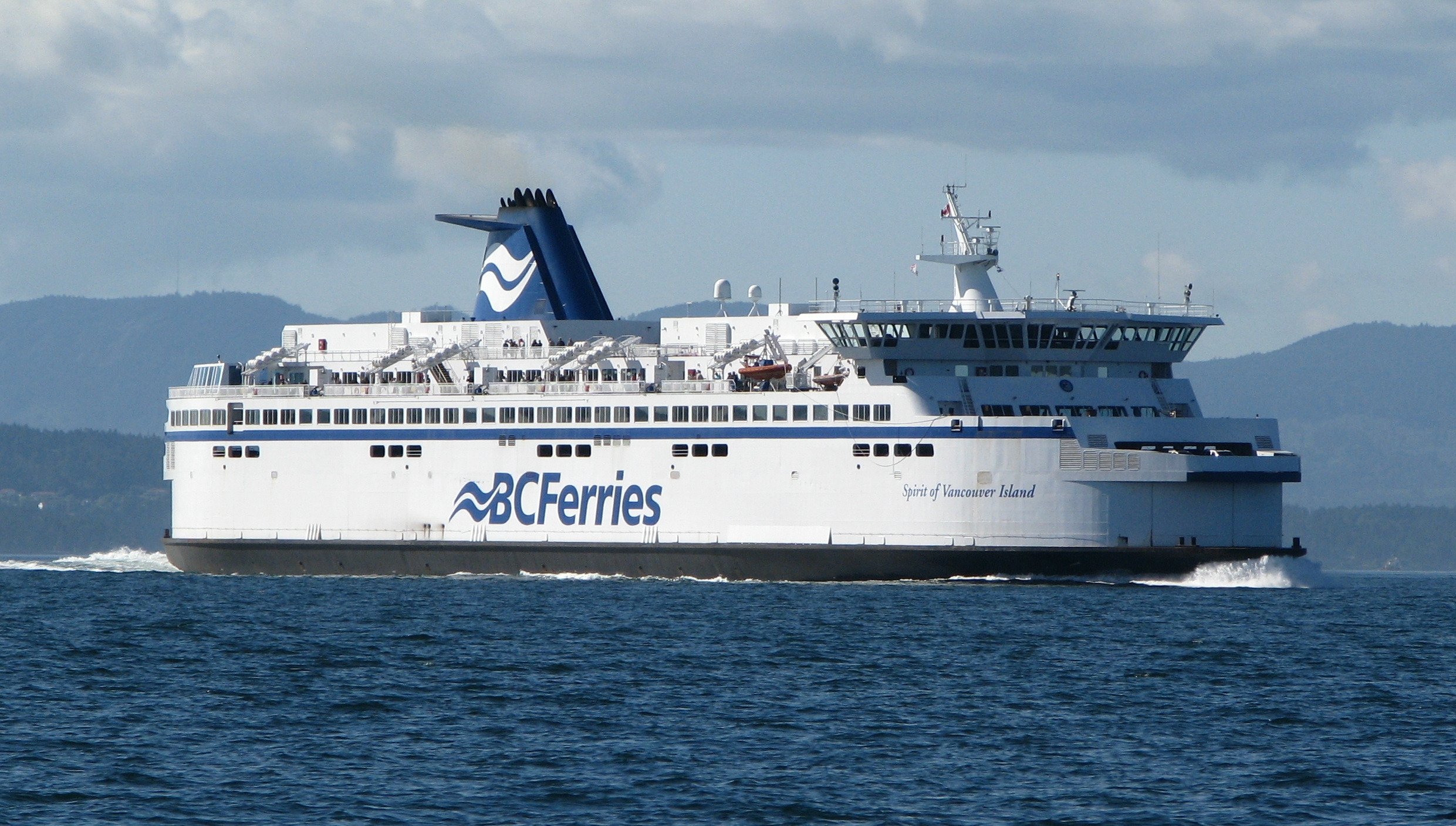
Vancouver Island isn't Vancouver. The confusion is understandable - the city of Vancouver lies across the Strait of Georgia on the mainland, while Vancouver Island runs parallel to the coast, a mountainous landmass 450 kilometers long that contains entire ecosystems found nowhere else. This is 'The Island,' as British Columbians call it, home to nearly 900,000 people, the provincial capital Victoria, and some of the last true wilderness on the Pacific coast. Temperate rainforests dripping with moss blanket the west coast. Resort towns like Tofino draw surfers and storm-watchers. The east coast hosts quieter communities, sheltered waters, and the ferries that connect island life to the larger world. From the air, it's unmistakable - a green ridge rising from gray-blue waters, snow-capped peaks at its center, the largest island on the entire west coast of the Americas.
Victoria: Little England
Victoria markets itself as a piece of England, and the comparison isn't entirely whimsical. Afternoon tea at the Empress Hotel has been a tradition since 1908. Double-decker buses tour the city. Gardens bloom with imported English roses. The Royal BC Museum anchors the Inner Harbour with world-class exhibits on natural and human history. This is Canada's mildest city, blessed by the rain shadow of the Olympic Mountains, where palm trees somehow survive at 48 degrees north latitude.
The city's Britishness is partly performance - a tourism strategy that works - but it also reflects genuine heritage. Victoria was the colonial capital of British Columbia before the mainland had significant settlements. The Parliament Buildings, lit with thousands of bulbs at night, face the harbor where float planes land and ferries depart. Nearby Oak Bay maintains neighborhood pubs and cricket fields. It's a city comfortable with its history, neither museum piece nor entirely modern, finding balance between heritage and contemporary Canadian life.
Pacific Rim: The Wild Coast
The west coast of Vancouver Island faces the Pacific directly - no islands to break the swells, no shelter from storms that build across thousands of miles of open ocean. Pacific Rim National Park Reserve protects this exposed shoreline, including Long Beach, a sweeping arc of sand where surfers in wetsuits brave the cold waters year-round. This is Canadian surfing's capital, improbable as that sounds, with a growing scene that thrives on consistency rather than tropical warmth.
Tofino and Ucluelet anchor either end of the park, small towns that have evolved from fishing and logging into adventure tourism centers. Storm-watching has become a winter attraction - resorts with floor-to-ceiling windows facing the sea, hot tubs positioned for front-row seats to weather that would terrify sailors. The rainforest presses close behind the beaches, cedars and spruce draped in moss, trails winding through green cathedrals that receive over 3,000 millimeters of rain annually.
The Forest Giants
Vancouver Island once held some of the largest trees on Earth, Douglas firs and western red cedars that had grown for a thousand years before the first European arrived. Most were logged in the century of extraction that followed, but pockets remain. Cathedral Grove, a protected stand along Highway 4, offers easy access to ancient trees whose trunks dwarf visitors. The Carmanah Valley, more remote, protects Sitka spruces that rank among the tallest trees in Canada.
These remnant old-growth forests have become battlegrounds. Environmentalists blockade logging roads. Indigenous nations assert title rights. The provincial government navigates between economic pressure and ecological imperatives. For visitors, the surviving ancient forests offer glimpses of what the entire island once looked like - understory dim beneath the canopy, nurse logs sprouting new generations, the scale of trees challenging human perspective on time and growth.
Wild Waters
The waters surrounding Vancouver Island teem with life. Orcas hunt salmon through the strait between the island and the mainland. Gray whales migrate past the west coast each spring and fall. Humpbacks have returned to waters where they were once hunted to near-extinction. From boats out of Tofino, Telegraph Cove, and Victoria, whale-watching tours encounter marine mammals with remarkable reliability.
The fishing was once legendary - salmon runs so thick they turned rivers red, halibut and lingcod abundant in coastal waters. Stocks have declined precipitously, but fishing remains central to island identity. Sport fishers still pursue salmon and steelhead. Commercial operations harvest prawns, crabs, and geoduck clams for Asian markets. And the Indigenous nations who have fished these waters for millennia continue their practices, asserting rights that predate Canadian confederation by thousands of years.
The Island Life
Living on Vancouver Island means accepting isolation. The ferries take time - hours to reach the mainland, reservations required for summer sailings, schedules that close options after certain hours. Goods cost more. Services are limited. Medical emergencies can become logistical nightmares. Yet the island's population keeps growing, drawn by quality of life that compensates for the inconveniences.
The east coast communities - Nanaimo, Parksville, Courtenay, Campbell River - offer sheltered harbors and quieter waters. Retirees have discovered the mild climate. Artists and remote workers have found bandwidth adequate and distraction minimal. The northern reaches grow wilder, the road ending at Port Hardy where the ferry to Prince Rupert begins another journey entirely. Vancouver Island is large enough to contain cities and wilderness, accessible enough to not feel remote, isolated enough to feel like somewhere else entirely.
From the Air
Located at approximately 49.5°N, 125.5°W. Vancouver Island is unmistakable - the massive island running parallel to the BC coast, separated by the Strait of Georgia. At 450km long, it's clearly visible from high altitude as the largest landform off the west coast. Victoria is at the southern tip; look for the BC Parliament Buildings on the Inner Harbour. The central spine shows snow-capped peaks (Strathcona Provincial Park). The west coast appears rugged with few settlements; Tofino and Ucluelet are small communities on Pacific Rim. The east coast is more developed. Numerous ferries ply the waters between the island and mainland. Major airports: Victoria International (CYYJ), Nanaimo (CYCD), Comox (CYQQ). Float plane traffic is common throughout.