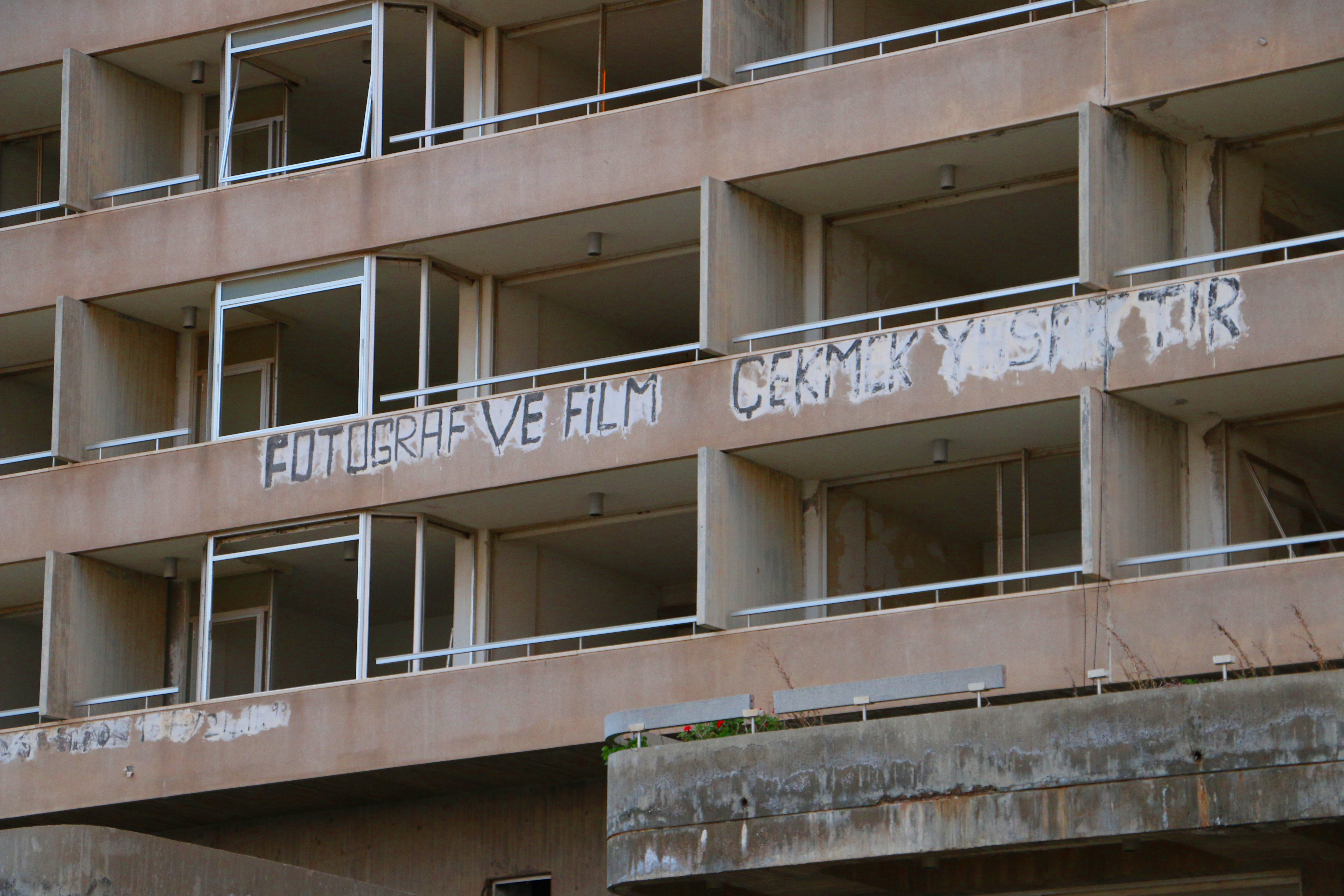
Varosha: The Ghost Resort of Cyprus
In 1974, Varosha was one of the most glamorous resorts in the Mediterranean. Elizabeth Taylor, Brigitte Bardot, and Richard Burton vacationed in its luxury hotels. Its golden beaches drew tourists from across Europe. Then Turkey invaded Cyprus. On August 15, 1974, the entire population of Varosha - nearly 40,000 people - fled before advancing Turkish forces. They expected to return in days. They never did. Turkish troops fenced off the empty resort and declared it forbidden. For 50 years, Varosha has stood empty, its hotels crumbling, its beaches deserted, a ghost town frozen in 1974.
The Resort
Varosha was the jewel of Famagusta, the tourism capital of Cyprus. In the 1960s and early 1970s, it was the most visited destination on the island. High-rise hotels lined the beachfront. Restaurants, nightclubs, and boutiques catered to wealthy European tourists.
The resort had over 100 hotels and tourist establishments. The beach stretched for miles. At its peak, Varosha contributed significantly to Cyprus's economy. Local Greeks ran the businesses and lived in the apartment blocks just inland from the tourist strip.
The Invasion
On July 20, 1974, Turkey invaded northern Cyprus, ostensibly to protect Turkish Cypriots after a Greek-backed coup. Fighting spread across the island. As Turkish forces advanced toward Famagusta, Varosha's Greek Cypriot residents faced a terrible choice.
On August 15, with Turkish troops approaching, the population evacuated en masse. Families grabbed what they could carry. Cars choked the roads south. Hotels emptied mid-service - some accounts claim meals were left on tables, laundry hanging on lines. Nearly 40,000 people abandoned their homes, businesses, and possessions in hours.
The Closure
Turkish forces occupied Varosha but didn't loot or inhabit it. Instead, they fenced it off. United Nations Resolution 3212 called for the residents to return, but Turkey refused. The abandoned resort became a bargaining chip in negotiations over Cyprus's partition.
For decades, Varosha has been a military zone. Turkish soldiers patrol the perimeter. No one is permitted to enter. The UN peacekeeping force monitors the buffer zone. The resort that once welcomed thousands of tourists became one of the world's most forbidden places.
The Decay
Fifty years of abandonment have taken their toll. Salt air and weather have corroded the high-rises. Roofs have collapsed. Vegetation has invaded through broken windows. Sea turtles nest on the empty beaches - one of the few benefits of human absence.
Photographers who have glimpsed the interior describe a time capsule of 1974: car dealerships with vehicles still in showrooms, shops with goods on shelves, hotel lobbies with period furniture. But each year, more structures become unsafe. The resort is slowly dissolving.
The Future
In 2020, Turkey partially reopened a section of Varosha's beachfront, drawing international condemnation. The move was seen as an attempt to change facts on the ground in the Cyprus dispute. The UN called it a violation of Security Council resolutions.
The original residents, now scattered across southern Cyprus and the world, continue to demand the right to return. Their children and grandchildren have never seen their ancestral homes. Varosha remains hostage to a conflict that began before many of them were born. The ghost resort waits, empty and crumbling, for a political solution that never comes.
From the Air
Varosha (35.11N, 33.95E) is part of Famagusta on the eastern coast of Cyprus. Ercan International Airport (LCEN) in northern Cyprus is 50km west. Larnaca Airport (LCLK) in the Republic of Cyprus is 60km south. The abandoned resort is visible from the air as a cluster of high-rises on a golden beach, distinctly different from the developed Turkish Cypriot areas nearby. The UN buffer zone is also visible.