Venice: The City That's Been Sinking for 1,500 Years
Venice was never supposed to exist. In the 5th century, refugees fleeing barbarian invasions settled on mudflats in a lagoon - the only place their enemies couldn't follow. They drove millions of wooden pilings into the muck and built a city on top. For 1,500 years, that city has been slowly sinking. Today, Venice floods over 100 times per year during acqua alta - high water events that turn St. Mark's Square into a lake. The city has dropped 9 inches in the last century alone. Engineers race to save it with a $7 billion flood barrier, but some scientists predict Venice will be uninhabitable within 100 years.
The Foundation
Venice is built on approximately 118 small islands in a shallow lagoon. The founders drove wooden pilings - millions of them - deep into the muddy seafloor until they hit hard clay. The wood, submerged and starved of oxygen, petrified over centuries into a stone-like substance. Churches, palaces, and homes were built on this forest of underwater trees.
But the system was never stable. The pilings compact the mud beneath. The clay layer slowly compresses. The buildings themselves are heavy. Venice has been sinking since the day it was built - just slowly enough that each generation ignored it.
The Sinking
Venice sank about 4 inches in the first thousand years. Then it accelerated. Industrial groundwater pumping in the 20th century caused the city to drop another 5 inches in just 50 years. The pumping was banned in 1970, but the damage was done.
Meanwhile, sea levels are rising. The combination - a sinking city in a rising sea - means the gap is closing fast. Acqua alta floods that were rare in the 19th century now occur over 100 times per year. In November 2019, Venice experienced its worst flooding in 50 years - 6 feet of water inundating 85% of the city.
The Acqua Alta
Acqua alta occurs when high tides, low pressure, and sirocco winds push water into the Adriatic's northern end. The lagoon floods. St. Mark's Square, the lowest point in Venice, becomes a shallow lake. Tourists wade through knee-deep water. Sirens warn residents to move belongings to upper floors.
The city has adapted. Elevated walkways appear during floods. Venetians wear rubber boots from November to March. Shopkeepers install metal barriers at their doors. The Piazza San Marco floods at 80cm above normal tide - which happens about 60 times per year. Life goes on, wet.
The Barrier
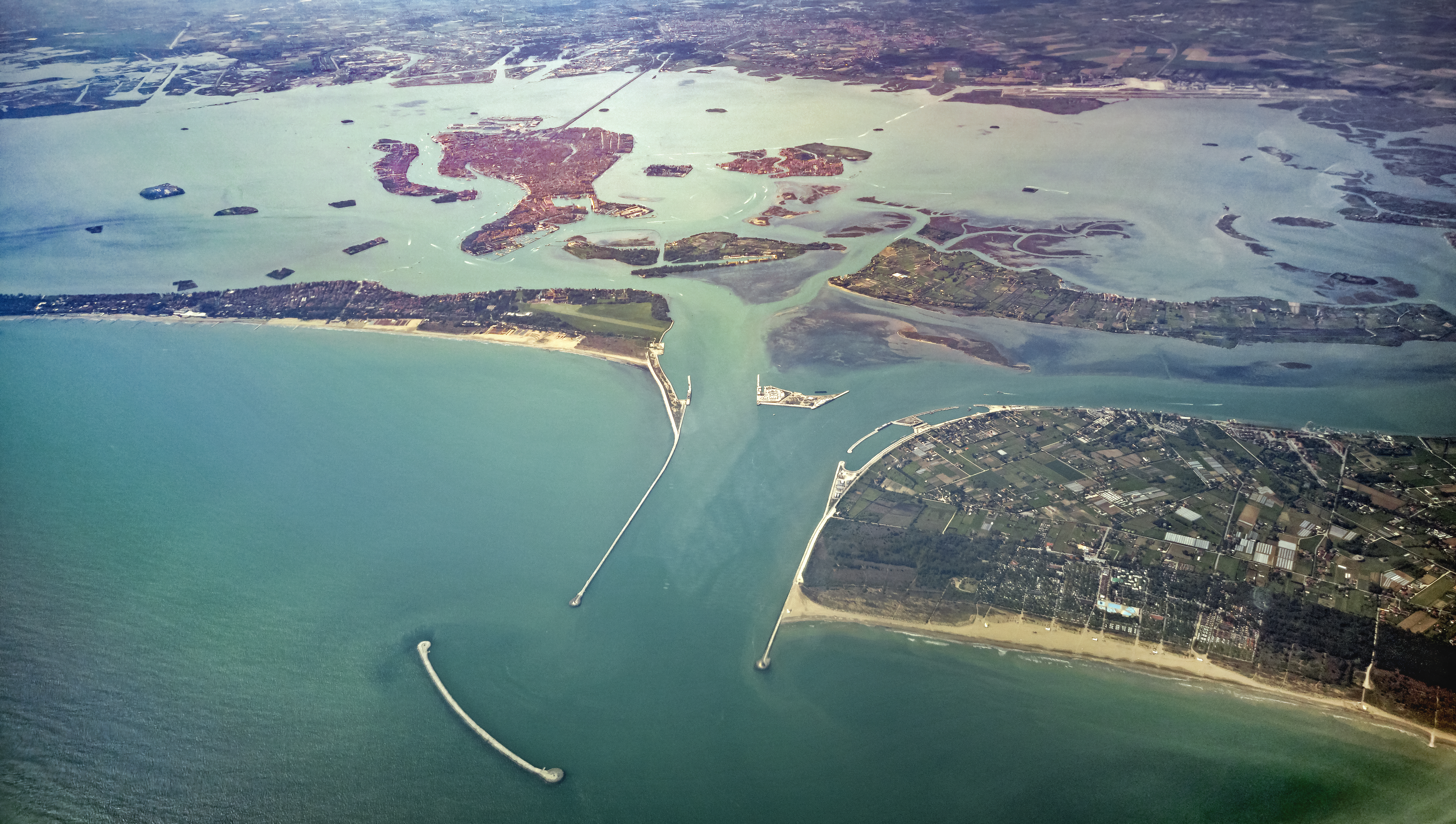
In 2003, Italy began constructing MOSE - a system of 78 mobile barriers at the lagoon's three inlets. When high water threatens, the barriers rise from the seafloor to block the tide. The project cost $7 billion, took 18 years, and was plagued by corruption scandals.
MOSE became operational in 2020. It has successfully blocked major floods. But critics note the barriers were designed for 20th-century sea levels. If seas rise as predicted, MOSE may need to operate constantly - effectively cutting Venice off from the sea and turning the lagoon into a stagnant lake. The solution may create new problems.
The Future
Some scientists predict Venice could be uninhabitable by 2100 if sea level rise continues at current rates. Others are more optimistic, pointing to MOSE and potential future technologies. The population has already dropped from 175,000 in 1951 to under 50,000 today - though that's more about economics than flooding.
Venice has survived plagues, wars, Napoleon, and Austrian occupation. It has been slowly drowning for 1,500 years and remains one of the most visited cities on Earth. Whether it can survive climate change remains to be seen. For now, the city that shouldn't exist continues to exist - stubbornly, beautifully, perpetually flooding.
From the Air
Venice (45.44N, 12.32E) sits in a lagoon in northeastern Italy. Venice Marco Polo Airport (LIPZ) is 8km north on the mainland. The city is unmistakable from the air - a compact cluster of islands and canals in a broad lagoon, connected to the mainland by a single causeway. The MOSE barriers are visible at the three lagoon inlets. Weather is Mediterranean - hot summers, cool damp winters with fog.