Victoria
The Empress Hotel rises above the Inner Harbour like a castle from another era, ivy climbing its brick walls, afternoon tea service unchanged since the days when the British Empire circled the globe. This is Victoria, capital of British Columbia, where hanging flower baskets line every street and double-decker buses ply routes past Tudor-style architecture. Yet step beyond the manicured gardens and you find yourself in a wilderness of orca-haunted channels and rainforest-draped islands. Victoria exists in two worlds: the cultivated elegance of its colonial past and the wild Pacific that laps at its shores.
The Empire's Western Outpost
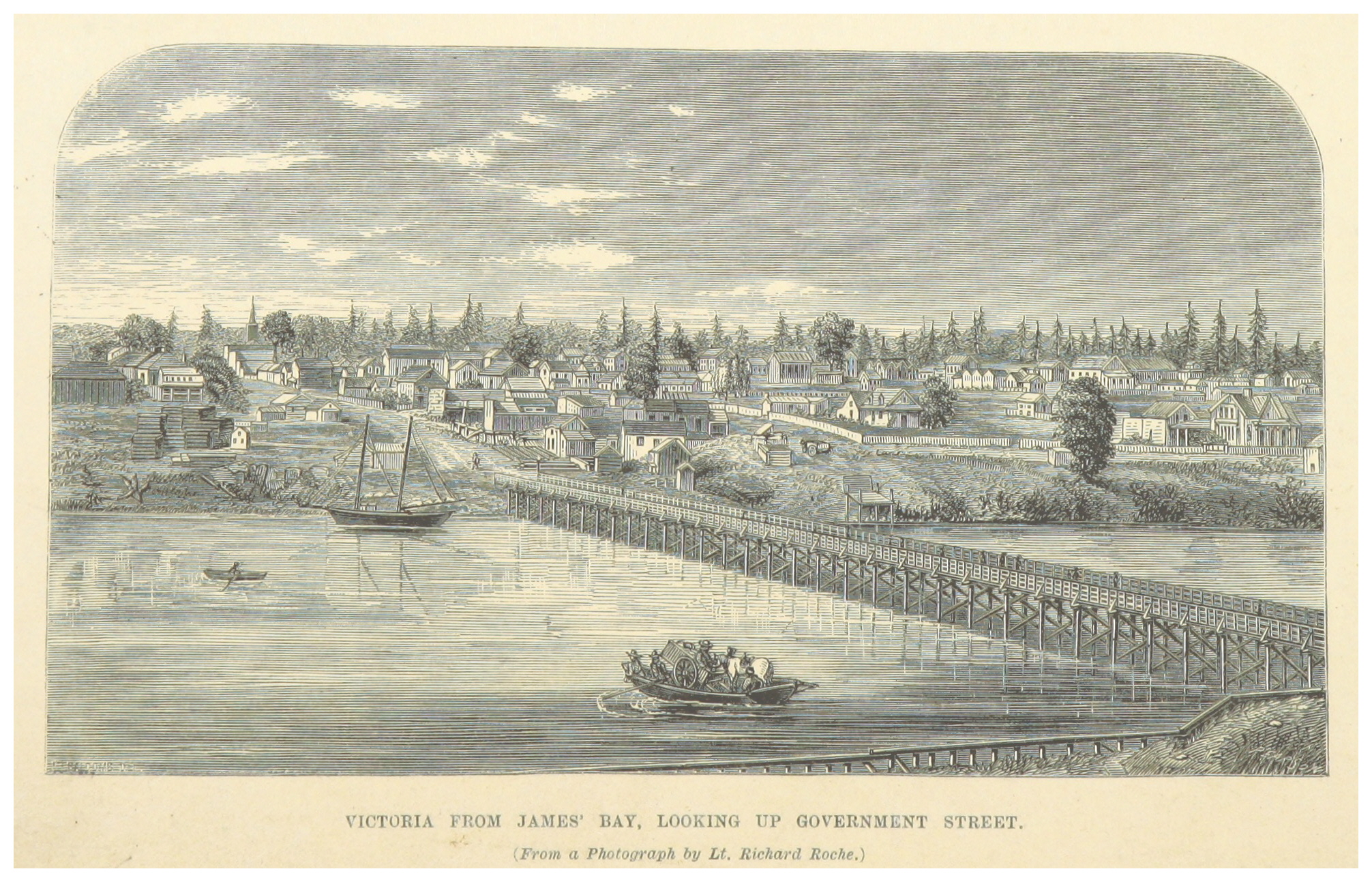
James Douglas established Victoria as a Hudson's Bay Company trading post in 1843, a backup in case the Americans claimed Fort Vancouver to the south. The Americans did exactly that, and Victoria became the last foothold of British authority on the Pacific Coast. Named for the reigning queen, it was designated the provincial capital in 1871.
The city might have become just another port, but the Strait of Georgia intervened. When Canada's first transcontinental railway reached the mainland in 1885, it stopped at Burrard Inlet - Vancouver would become the commercial hub. Victoria, protected from rail-fueled development by water it could not bridge, evolved instead into something rarer: a resort town and government center, its mild climate and natural beauty drawing those who sought grace over grit. The Edwardian architecture that defines the city today rose during the real estate boom after World War I.
The Inner Harbour
Victoria's heart beats at the Inner Harbour, where seaplanes splash down between ferries from Seattle and float homes bob in protected waters. The Parliament Buildings anchor the south end, their copper-domed magnificence illuminated by thousands of lights each evening. The Empress Hotel commands the east shore, its afternoon tea service a ritual that has drawn visitors since 1908.
The harbour is alive with activity. Artists and buskers entertain along the causeway. Whale-watching boats depart for the channels where three pods of resident orcas hunt salmon. Float planes taxi to the terminal, offering the fastest route to Vancouver. In spring, the waterfront explodes in color - hanging baskets and flower beds that have earned Victoria the nickname 'City of Gardens.' The Royal BC Museum houses one of Canada's finest collections of Indigenous art and natural history.
Where Orcas Hunt
The waters around Victoria are among the best places in the world to see orcas in the wild. Three resident pods - J, K, and L - make these channels their summer feeding grounds, pursuing the salmon runs that have sustained them for millennia. Grey whales, humpbacks, and minke whales migrate through the Strait of Georgia at different times of year.
Whale-watching tours depart daily from the Inner Harbour, ranging from open-air Zodiacs that put you at eye level with the whales to heated-cabin yachts for those who prefer comfort over adventure. The best viewing runs from April through October, when the resident orcas are most active. Even when whales prove elusive, the waters teem with harbor seals, sea lions, and bald eagles wheeling above the rocky shores.
Gardens in the Rain Shadow
Victoria receives less rainfall than Vancouver, sheltered by the Olympic Mountains to the south and the island's own peaks. The mild maritime climate rarely sees frost, and almost never sees the snow that buries the rest of Canada. In this gentle environment, gardens flourish with almost tropical exuberance.
The Butchart Gardens, a former limestone quarry transformed into 55 acres of botanical splendor, draws visitors from around the world. Beacon Hill Park stretches from downtown to the waterfront, home to a 39-meter totem pole that was the world's tallest when carved in 1956 and the Mile Zero marker of the Trans-Canada Highway. But the entire city feels like a garden - even private homes compete for the most elaborate displays. Victoria routinely wins awards in international Communities in Bloom competitions.
Gateway to the Wild
Beyond the manicured lawns, Vancouver Island stretches north for 460 kilometers into wilderness few tourists ever see. Victoria is the starting point for adventures that range from half-day excursions to weeks-long expeditions. The Galloping Goose Trail, a converted railway bed, runs 55 kilometers to Sooke and beyond. The West Coast Trail, one of the most challenging backpacking routes in North America, beckons from the island's wild Pacific shore.
Day trips reach Tofino's famous surf beaches in five hours. The Gulf Islands - Salt Spring, Galiano, Pender - offer a slower pace just a ferry ride away. And ferries connect Victoria to Seattle and Vancouver, making the city both a destination and a gateway. The same isolation that preserved Victoria's character - water too wide to bridge - ensures that arriving here always feels like an adventure.
From the Air
Located at 48.43N, 123.37W near the southern tip of Vancouver Island. The city is clearly visible on the island's southeastern shore, with the Inner Harbour at its heart. Look for the distinctive dome of the Parliament Buildings and the grand Empress Hotel on the waterfront. The Strait of Juan de Fuca separates Victoria from the Olympic Peninsula to the south; the Strait of Georgia lies to the east, with the Canadian mainland and Vancouver beyond. Nearest airports: Victoria International (CYYJ) 25km north near Sidney; Victoria Inner Harbour (CYWH) for floatplanes right downtown. The Olympic Mountains often cast a rain shadow, making Victoria drier than surrounding areas. Marine fog possible mornings, especially in summer.