Vietnamese Women's Museum
The woman who envisioned this museum once led guerrilla fighters against the French and Americans. Nguyen Thi Dinh, a legendary commander of the National Liberation Front during the Second Indochina War, wanted something Vietnam had never had: a place that told the country's story through the lives of its women. She proposed the idea in 1985 while serving as president of the Vietnam Women's Union, insisting that the museum be "different from any other museum in Vietnam" -- not just a gallery of artifacts but a center for research and community, a place where women "could feel comfortable and enjoy themselves." It took a decade of delays caused by resource constraints before the four-story building on Ly Thuong Kiet Street finally opened its doors in 1995, steps from Hoan Kiem Lake in the heart of Hanoi.
From Rice Pots to Rifles
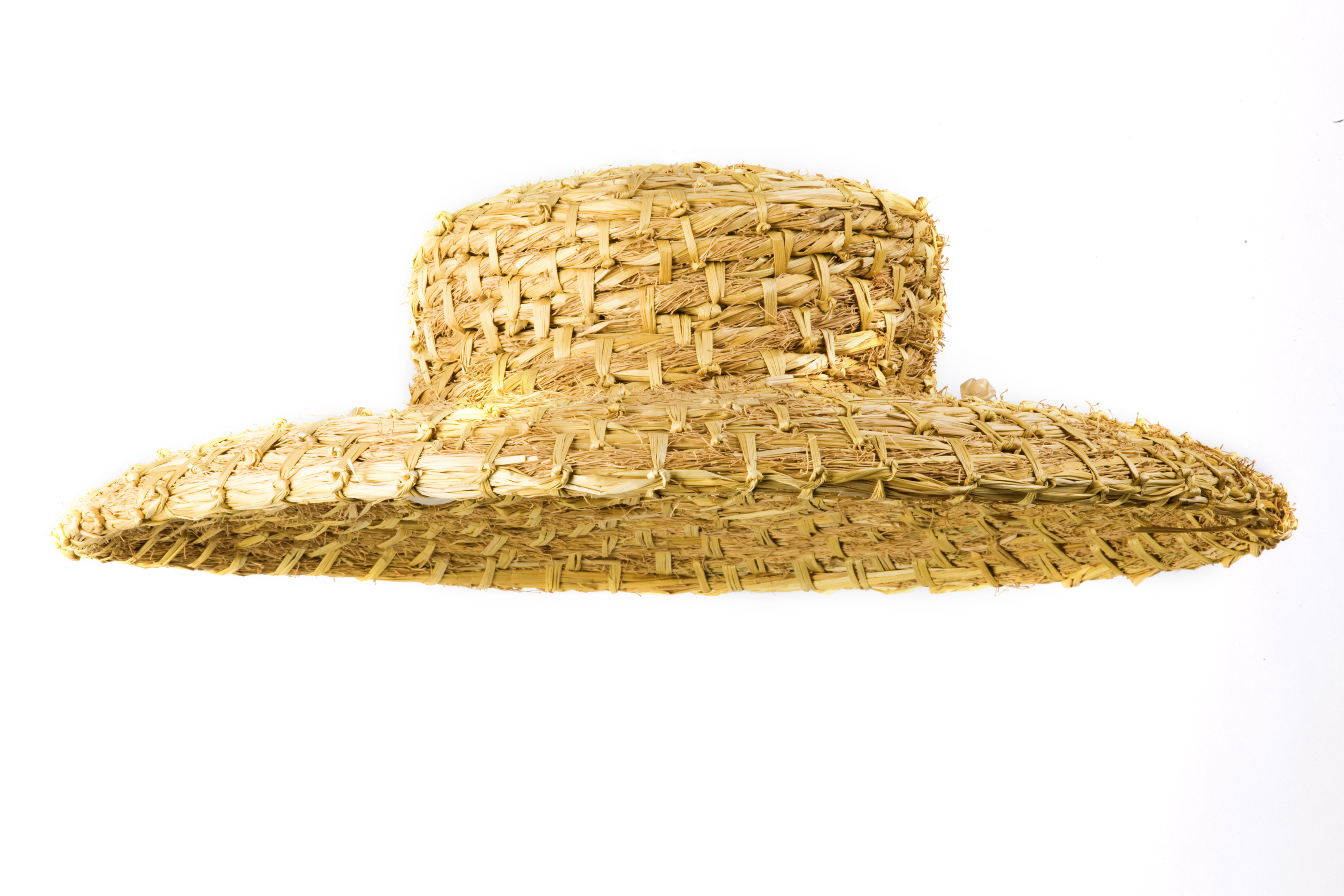
The museum's collection of approximately 40,000 materials and artifacts spans the full sweep of Vietnamese women's experience. Items were gathered by the museum and the Vietnam Women's Union beginning in the 1970s, years before the building itself existed. A public relations specialist named Nguyen Bich Van traveled across the country persuading families and provincial women's union organizations to donate clothes, photographs, and memorabilia connected to women in their communities. The resulting collection defies easy categorization. A Hre passive hoop net used for fishing sits near wartime rifles. Gift boxes and Viet amulets share space with photographs of women in combat. The objects tell a story that refuses to separate domestic life from public life, or peacetime from war -- because for Vietnamese women, those boundaries were never clear.
Three Permanent Windows
The museum is organized around three permanent exhibitions that together form a narrative arc. "Women in Family" traces what the museum calls the "circle of life" -- from youth through marriage and motherhood -- presenting the rituals, practices, and daily labor that have defined women's roles across Vietnam's fifty-four ethnic communities. Wedding customs, childbirth traditions, pottery, tailoring, cultivation, and cooking are all represented, drawing from the full diversity of Vietnamese cultures rather than the majority Kinh perspective alone. "Women in History" turns to wartime, documenting the roles women played in resistance movements through artifacts, short films, and personal testimonies. The weapons and uniforms displayed alongside personal letters and family photographs insist on the full humanity of the women who fought. "Women's Fashion" rounds out the collection, tracing the evolution of Vietnamese dress -- including the iconic ao dai -- as both cultural expression and political statement.
Beyond the Building
The museum has never been content to wait for visitors to come to it. Recognizing that many Vietnamese women live in remote mountainous areas far from Hanoi, the institution has organized traveling exhibitions that bring artifacts and stories to provinces where a trip to the capital is impractical. These mobile exhibits display items of historical and cultural significance, and they also collect: members of the public, particularly women, contribute facts, give interviews, and donate items for display. The museum operates in both directions -- showing and listening. Inside the Hanoi building, a renovation completed in 2010 modernized the galleries and added an immersive audio guide available in English, French, Japanese, Korean, and Vietnamese. The statue of a "Vietnamese mother" in the museum lobby, which won first prize at a 1995 sculpture competition organized jointly by the museum and the Fine Arts Association of Ho Chi Minh City, greets every visitor at the entrance.
A Commander's Legacy
Nguyen Thi Dinh died in 1992, three years before her museum opened. Her biography alone could fill several galleries. Born in Ben Tre province in 1920, she joined the revolutionary movement as a teenager, was imprisoned by the French at age twenty, and went on to become deputy commander of the armed forces of the National Liberation Front -- the highest-ranking woman in the southern Vietnamese resistance. When she envisioned the museum, she was drawing on a lifetime spent watching women's contributions be overlooked or folded into larger narratives about the nation. The museum she imagined was approved in 1985, but Vietnam's post-war economic struggles delayed construction for years. That the building finally rose on a prime street near Hoan Kiem Lake, in the heart of the capital, reflects the persistence of the women's movement she helped shape. The museum's stated mission -- to enhance understanding of women's heritage while promoting gender equality -- carries forward the dual purpose Nguyen insisted on: remembering the past and changing the present.
From the Air
Located at 21.023N, 105.852E in central Hanoi, on Ly Thuong Kiet Street near Hoan Kiem Lake and the Old Quarter. The four-story building sits within the dense urban fabric of central Hanoi. Nearest airport is Noi Bai International Airport (VVNB), approximately 25 km north. Best viewed in context of the surrounding Hoan Kiem district at 3,000-5,000 feet altitude.