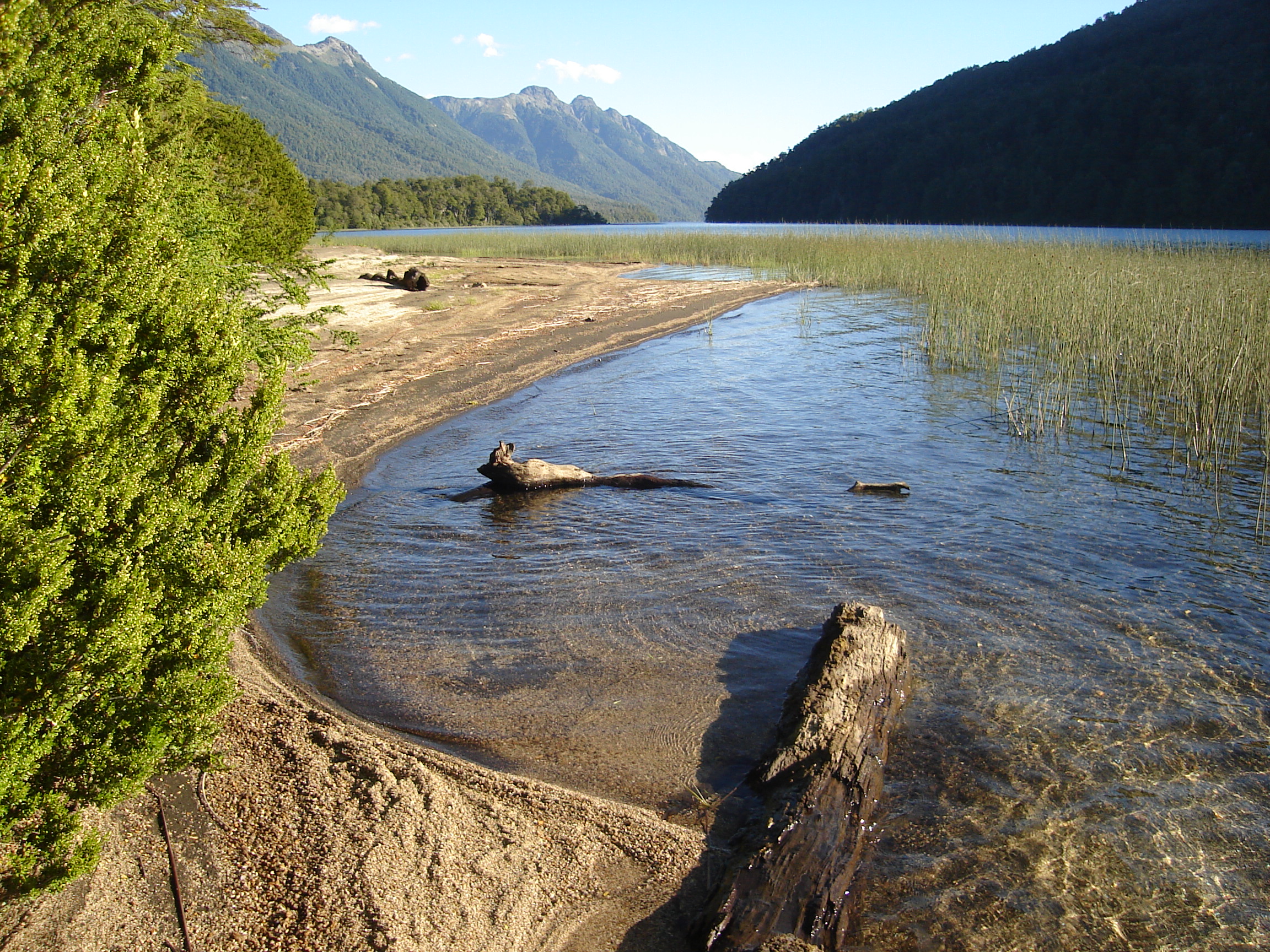
Villa la Angostura
The cinnamon-colored trunks of the arrayanes trees twist upward through dappled light, their bark smooth and cool to the touch, their age measured in centuries. This is the forest that allegedly inspired Walt Disney when creating Bambi, and standing among these ancient trees in Los Arrayanes National Park, it is easy to believe the legend. The trail here begins in Villa la Angostura, a small Neuquen town that wears its alpine credentials lightly. Nestled on Lake Nahuel Huapi's northern shore at an elevation between 1,800 and 1,900 meters, the village serves as gateway to two national parks while maintaining the unhurried atmosphere of a mountain hamlet. In summer, cyclists pedal the 12-kilometer footpath to the arrayanes forest. In winter, snow blankets the surrounding peaks and skiers head to nearby Cerro Bayo. Year-round, the views across the vast lake to distant Bariloche reward those who pause to look.
The Enchanted Forest
A 12-kilometer trail winds from Villa la Angostura through the Quetrihue Peninsula, which translates from Mapuche as 'where arrayanes grow.' The destination is Los Arrayanes National Park, home to one of the world's only pure stands of these remarkable trees. The arrayanes, native to the region, grow extraordinarily slowly, their distinctive cinnamon-colored bark developing over centuries until individual specimens reach 300 years old. Along the trail, hikers encounter other native species: notros with their red flowers, towering cohiues, and the ñires and lengas that define Patagonian forests. At the heart of the arrayanes grove lies Laguna Patagua, a small lake where ducks and birds find sanctuary. A rustic cabin here earned the nickname 'Walt Disney House' for its association with the animator's supposed inspiration.
Alpine Seasons
Villa la Angostura's climate earns comparisons to the European Alps, with cold winters bringing reliable snow from May through September and warm summer days from November through March. Even in summer, nights can turn cold enough to warrant a sweater or light jacket. Precipitation falls primarily as snow during winter months, though the region's verdant appearance testifies to showers possible in any season. Multi-day rains occasionally settle in, transforming the landscape into a misty dreamscape. The town itself remains small enough that walking serves most needs, though mountain biking has become the preferred mode of exploration when weather permits. Horseback treks and taxi services offer alternatives.
Two Wheels and Summer Trails
Bicycling culture thrives in Villa la Angostura. Several bike shops rent equipment to visitors eager to explore the gentle hills of surrounding national parks. Popular routes include the Los Arrayanes trail, the famous Seven Lakes scenic drive, and the road ascending to Cerro Bayo ski resort. During summer months, chairlifts at Cerro Bayo continue operating, allowing cyclists to ride up with their bikes and descend the ski trails in an exhilarating mountain bike adventure. The combination of well-maintained trails, stunning scenery, and manageable terrain has made this small town a magnet for two-wheeled exploration.
Between Two Great Parks
Villa la Angostura occupies a privileged position between Nahuel Huapi National Park to the south and Los Arrayanes National Park to the west. This dual access transforms a visit into an outdoor itinerary spanning everything from lake beaches to ancient forests to mountain peaks. The nearest commercial airport is in San Carlos de Bariloche, about 90 minutes south by bus, with Via Bariloche operating first-class service for approximately five US dollars. The journey itself offers continuous views of the lake and mountains that define this corner of Argentine Patagonia. Restaurants in the village observe traditional Argentine dining hours, opening at 3 PM for lunch and 8 PM for dinner, with many accepting only cash.
From the Air
Coordinates: 40.78S, 71.67W. Elevation approximately 1,800-1,900 meters (5,900-6,200 feet). Nearest airport: San Carlos de Bariloche Airport (BRC/SAZS), approximately 80 km south. The town sits on the narrow northern arm of Lake Nahuel Huapi, with the Quetrihue Peninsula extending westward into the lake. Cerro Bayo ski resort is visible on the hillsides north of town. The Seven Lakes route creates a scenic corridor visible from altitude.