Village of Columbus and Camp Furlong
In the pre-dawn darkness of March 9, 1916, Lieutenant John Lucas heard the gunfire and ran from his quarters without stopping for his boots. What followed would change the course of American military history. While Mexican revolutionary Pancho Villa's forces swept through the sleeping border town of Columbus, New Mexico, Lucas set up his machine guns barefoot in the town's main street and poured devastating fire into the raiders. By sunrise, the attack was over, but its consequences were just beginning. Columbus became the first and only community in the continental United States to be attacked by a foreign military force in the twentieth century, and the American response would transform a sleepy cavalry outpost into the birthplace of modern military aviation and the training ground for the general who would lead American forces in World War I.
A Revolution Spills North
To understand the attack on Columbus, you must understand the chaos consuming Mexico in 1916. The Mexican Revolution had been raging for six years, a brutal civil war that saw governments rise and fall, revolutionary factions turn on each other, and violence surge along the 1,900-mile border with the United States. Pancho Villa, once a powerful revolutionary general who controlled much of northern Mexico, had seen his fortunes collapse. The Wilson administration had recognized his rival Venustiano Carranza as Mexico's legitimate leader and had allowed Carranza's troops to travel through American territory. Villa, feeling betrayed, decided to strike back. His motives remain debated, perhaps he hoped to provoke American intervention that would destabilize Carranza, perhaps he sought revenge, or perhaps he simply needed supplies. Whatever drove him, he gathered nearly 500 men and crossed the border into New Mexico.
Three Hours Before Dawn
Camp Furlong, headquarters of the 13th U.S. Cavalry, sat at the edge of Columbus, a dusty town of perhaps 400 residents. Colonel H.J. Slocum commanded the post, but his forces were stretched thin along the border. At 4:11 a.m., Villa's raiders struck. They hit the town and the military camp simultaneously, setting buildings ablaze, looting the Commercial Hotel, and killing soldiers and civilians alike. The attack might have been a massacre, but Lieutenant Lucas's machine guns changed everything. His withering fire, combined with resistance from other soldiers who grabbed their weapons and fought back, turned the raid into a costly failure for Villa. By the time the sun rose, at least 67 of Villa's men lay dead, while American casualties numbered 18 soldiers and civilians. Villa retreated back across the border, but he had achieved something no foreign commander had managed since the War of 1812: he had attacked American soil.
Pershing's Expedition
The American response was swift and massive. Within days, President Wilson ordered a Punitive Expedition into Mexico to capture Villa. Command went to Brigadier General John J. Pershing, a career officer who would soon become the most important American military commander of his generation. Columbus transformed almost overnight from a cavalry outpost into a major military installation. The New Mexico National Guard arrived first, followed by regular Army units from across the country. At its peak, thousands of soldiers staged through the tiny border town. Pershing led his forces deep into Mexico, chasing Villa through the mountains of Chihuahua for nearly a year without capturing him. The expedition failed in its primary mission, but it succeeded in ways no one anticipated: it served as a crucible for the American military, training officers and developing tactics that would prove essential when the United States entered World War I just months after the Punitive Expedition ended.
America's First Air War
Columbus holds a distinction that often surprises visitors: it was home to the first tactical military airfield in United States history. The 1st Aero Squadron arrived with eight Curtiss JN-3 aircraft, primitive biplanes that were pressed into service for reconnaissance over the Mexican mountains. The planes proved woefully inadequate for the terrain and conditions, but their deployment marked the beginning of American military aviation in combat operations. Pilots learned hard lessons about maintenance, navigation, and the challenges of flying in hostile territory. Those lessons, paid for in crashed aircraft and frustrated missions, would inform American air doctrine for decades to come. The airfield east of Columbus, now part of the historic district, represents the birthplace of American tactical air power.
What Remains
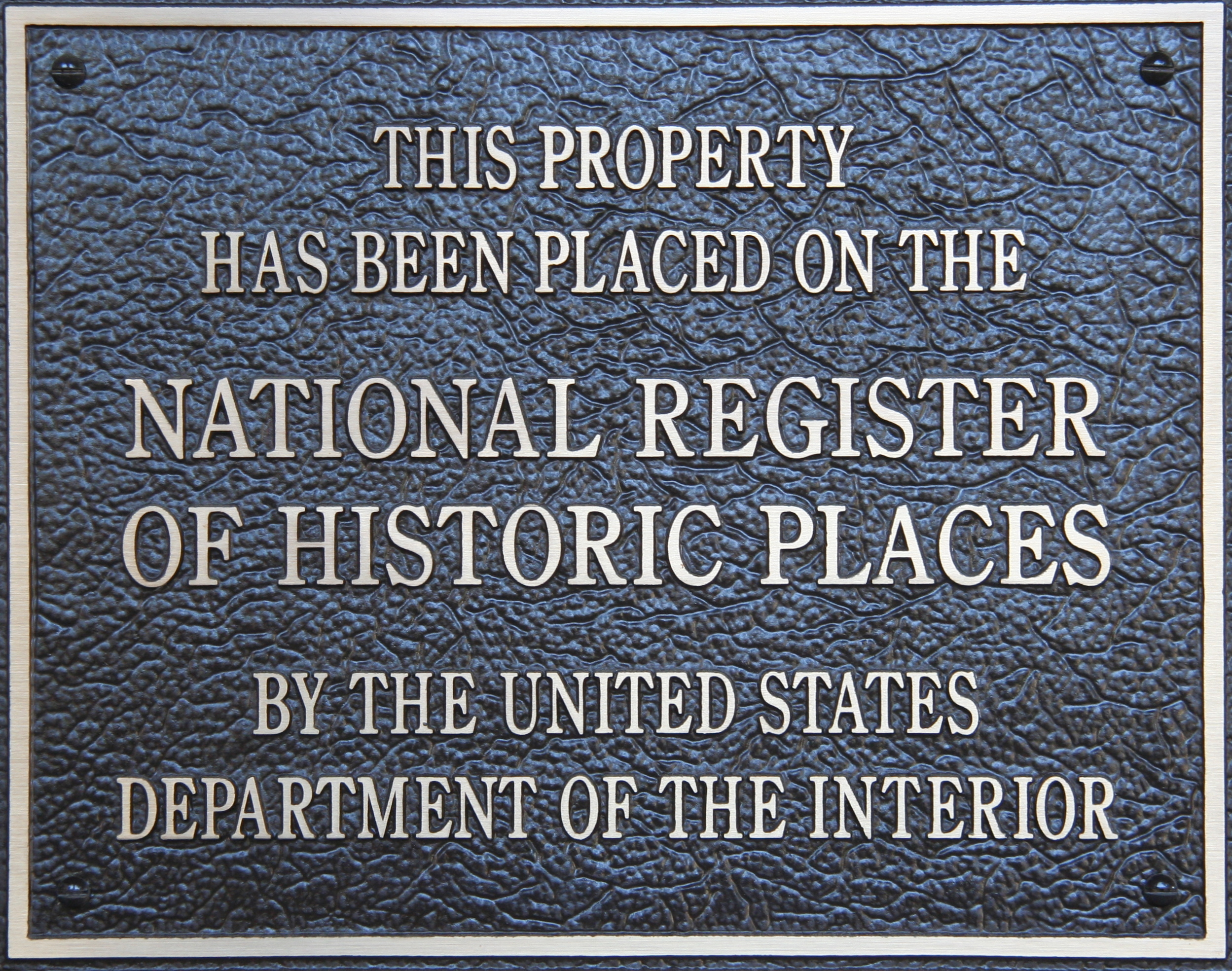
Today, the Village of Columbus and Camp Furlong exist as a National Historic Landmark District, designated in 1975. Pancho Villa State Park preserves several structures that survived the 1916 raid: the 1902 U.S. Customs House, adobe buildings from the Camp Furlong era, and the Camp Furlong Recreation Hall. The former railroad station of the El Paso and Southwestern Railroad, whose tracks once brought soldiers and supplies to this remote outpost, now houses a local historical society museum. The Hoover Hotel, one of the few buildings to survive the raid's fires, displays desert art in rooms where terrified guests once cowered. The irony that a state park bears Villa's name is not lost on visitors, but it reflects the complex history of this border region, where the line between hero and villain shifts depending on which side of the fence you stand. What remains certain is that a few violent hours in March 1916 changed this quiet corner of New Mexico, and through it, changed the trajectory of American military history.
From the Air
The Village of Columbus and Camp Furlong Historic District is located at 31.828°N, 107.631°W in Luna County, New Mexico, approximately 3 miles north of the Mexican border at the Palomas Port of Entry. Elevation is approximately 4,060 feet. The site includes Pancho Villa State Park with preserved buildings and the original Camp Furlong airfield location east of the park. The nearest airport is Deming Municipal Airport (KDMN) 30nm north. The town of Columbus and Palomas, Mexico are visible as a cross-border community. The flat desert terrain and border fence are clearly visible from altitude.