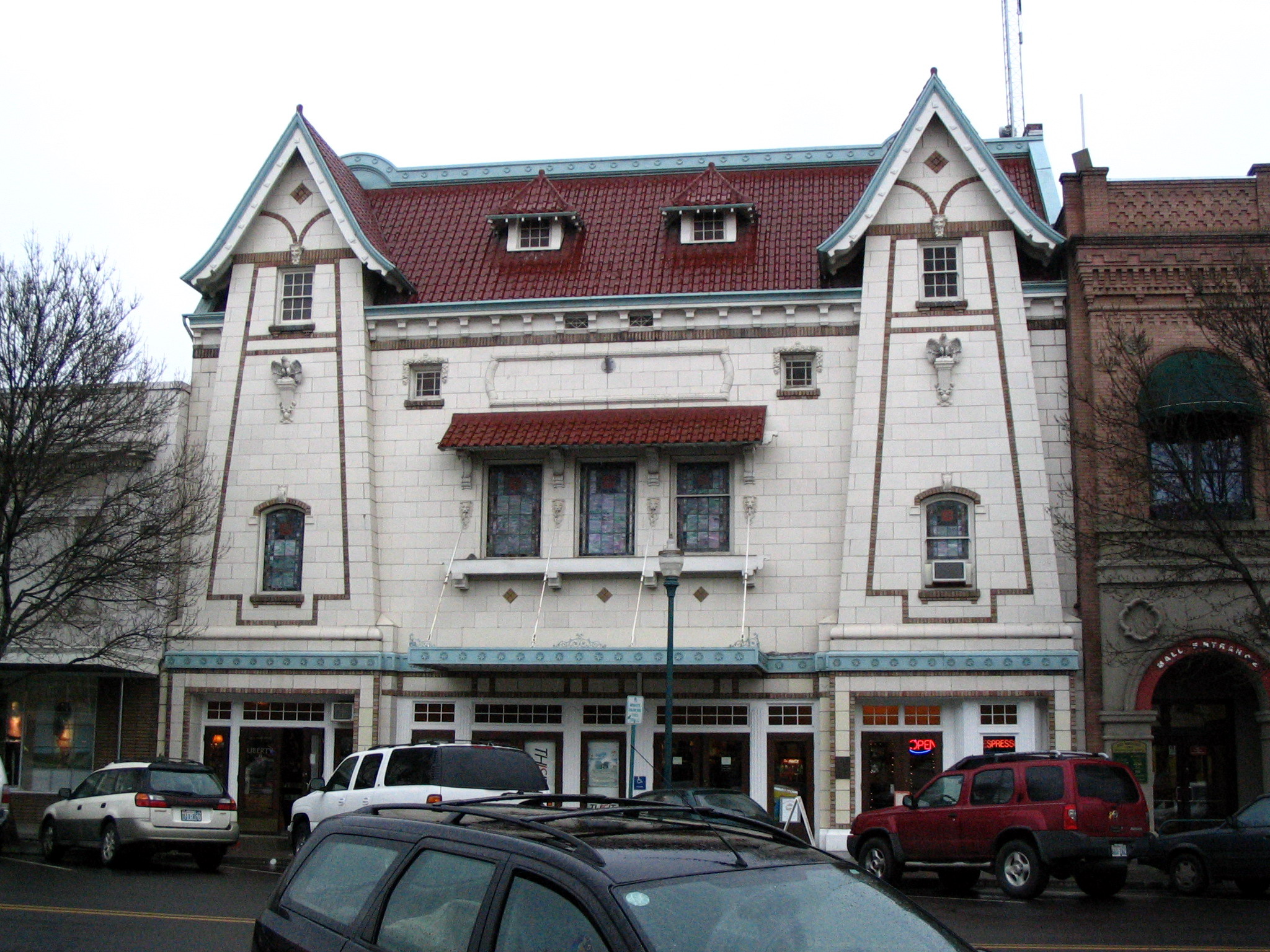
Walla Walla
The name repeats itself for emphasis, as the Walla Walla people intended - their word meaning 'many waters' for the streams descending from the Blue Mountains. Today this southeastern Washington city of 33,000 has other claims to fame: the sweet onions that bear its name, developed here in the early 1900s from Italian seed stock, and the wines that have made this corner of wheat country one of America's most respected wine regions. Over a hundred wineries cluster in and around town, their tasting rooms sharing downtown space with the college students of Whitman College and the echoes of Oregon Trail history that still resonate through the valley.
The Wine Transformation
Two decades ago, Walla Walla was a farming town with a famous onion and a state penitentiary. Today it's a wine destination that rivals Napa in reputation if not in pretension. The transformation began in the 1970s when pioneers planted vineyards in the rocky soils along the foothills, recognizing that the same conditions that made great wines in southern France - warm days, cool nights, low rainfall, and well-drained slopes - existed here in the Columbia Plateau.
The gamble paid off spectacularly. Walla Walla now boasts over 120 wineries, from small family operations to estates that ship across the country. The region excels at bold reds - Cabernet Sauvignon, Merlot, and Syrah thrive in the summer heat - but the variety keeps expanding. Tasting rooms line downtown streets, cluster around the regional airport, and dot the countryside where vineyards climb every south-facing slope. Unlike more established wine regions, the atmosphere remains accessible - this is still a farming community at heart, and the winemakers often pour your samples themselves.
College Town Meets Cowboy Town
Whitman College brings an unexpected element to this agricultural valley - 1,500 students attending one of the West's most prestigious liberal arts schools, their presence filling coffee shops and bookstores along Main Street. The college dates to 1859, making it one of the oldest institutions of higher learning in the Pacific Northwest, and its Victorian campus adds architectural grace to a town that grew on wheat and cattle.
But the cowboy heritage persists. The bars near the state penitentiary offer a different atmosphere than the wine rooms downtown, and the surrounding landscape remains working agricultural land - wheat fields rolling toward the Blue Mountains, ranches operating as they have for generations. The valley produces onions and asparagus alongside the grapes, and farmers markets overflow with the harvest. It's a place where professors and ranchers share the same restaurants, where wine tourists and locals cross paths on streets shaded by hundred-year-old trees.
Oregon Trail Echoes
The Whitman Mission National Historic Site, seven miles west of town, marks one of the Oregon Trail's most significant and tragic locations. Marcus and Narcissa Whitman established their mission here in 1836, providing rest and resupply for emigrants on the grueling journey west. In 1847, a measles epidemic killed half the local Cayuse tribe while sparing most of the missionaries, leading to suspicion that the Whitmans had poisoned the Cayuse. The resulting attack killed fourteen people and triggered the Cayuse War.
Fort Walla Walla followed, built to protect settlers and control the region during the subsequent conflicts. Today the fort's successor serves as a museum complex preserving the area's pioneer heritage - seventeen historic buildings filled with artifacts from the farming frontier. The Oregon Trail itself passed through this valley, and emigrants' journals describe the relief of reaching Walla Walla's green fields after the dry crossing of the Columbia Plateau. That sense of arrival, of reaching an oasis in the high desert, persists for visitors today.
The Sweet Onion Legacy
Before wine, there were onions - and the Walla Walla Sweet remains one of the region's signature crops. Italian immigrant Joe Locati brought the seeds from Corsica in the early 1900s, planting them in the volcanic soil of the Walla Walla Valley. Generations of farmers selected for sweetness, gradually developing a variety so mild it can be eaten raw like an apple. The secret lies in the soil's low sulfur content and the long, cool growing season that prevents the harsh flavors found in other onions.
The onion harvest runs from June through August, and during these months roadside stands overflow with the oversized specimens. Local restaurants feature them prominently - onion rings, caramelized onions on everything, even onion-focused desserts. The Walla Walla Sweet Onion Festival celebrates the crop each July, though the celebration has competition now from wine harvest events in fall. The agricultural heritage continues alongside the wine tourism, the sweet onion fields visible between the vineyards as you drive the country roads surrounding town.
From the Air
Located at 46.06N, 118.33W in southeastern Washington, where the Blue Mountains rise from the Columbia Plateau. The Walla Walla Valley appears as an irrigated green area surrounded by golden wheat fields. Downtown is visible with Whitman College campus to the east. Vineyards cover the foothills to the south and west. US Highway 12 passes north of town; Highway 125 runs through downtown. Walla Walla Regional Airport (KALW) is southwest of town. The Whitman Mission National Historic Site is 7 miles west. The Blue Mountains rise to the southeast; the Tri-Cities area is 45 miles west.