Warbirds over Wanaka
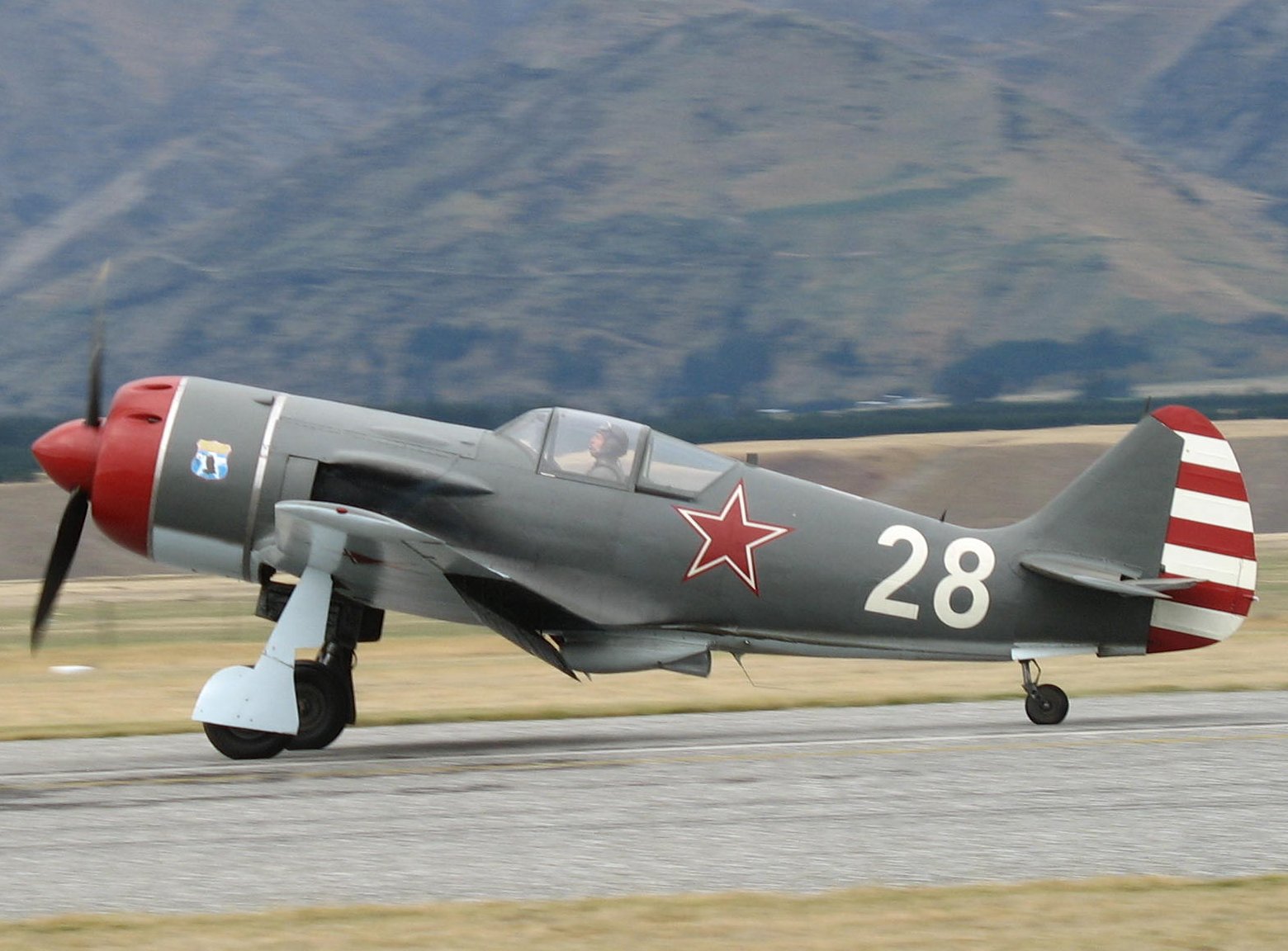
It started because a deer hunter wanted to show off his airplanes. Sir Tim Wallis made his fortune in live deer recovery - capturing wild deer from New Zealand's backcountry by helicopter, a profession that required equal parts flying skill and recklessness. He poured that fortune into collecting World War II fighter aircraft, restoring Spitfires and Mustangs and Kittyhawks to airworthy condition in hangars at Wanaka Airport. In 1988, he decided to invite people to watch them fly. Fourteen thousand showed up. By 2006, the number was 111,000 - a crowd larger than many New Zealand cities, converging on a grass airfield beneath the Southern Alps to watch machines built for war perform in peacetime. Warbirds over Wanaka had become one of the great air shows on Earth, held every second Easter in a place so remote that accommodation books up two years in advance.
The Alpine Fighter Collection
Wallis didn't just buy old airplanes; he resurrected them. His Alpine Fighter Collection, based at the New Zealand Fighter Pilots' Museum in Wanaka, became one of the southern hemisphere's most significant warbird collections. A Spitfire Mk.XVI. A P-51D Mustang. A Curtiss P-40K Kittyhawk restored to flying condition and debuted at the 1992 show, flown by legendary display pilot Mark Hanna. Three Polikarpov I-153 biplanes - Soviet-era fighters so rare that seeing one fly was extraordinary, let alone three in formation. The collection drew aircraft from around the world: a Messerschmitt Bf 109 from England's Old Flying Machine Company, a Mitsubishi Zero replica from Japan, Corsairs and Hurricanes and Harvards. Each show added new types, new restorations, new reasons for enthusiasts to make the pilgrimage to Otago. The collection has since been dispersed, but the show it spawned endures under a charitable trust.
Legends in the Crowd
The aircraft are only half the story. Warbirds over Wanaka has drawn aviation legends to its flight line - Chuck Yeager, the first man to break the sound barrier, and Buzz Aldrin, the second man to walk on the moon, who attended as guest of honour in 2004 when an estimated 99,000 people packed the airfield. The Royal New Zealand Air Force treats the show as a showcase, debuting new equipment and sending its Black Falcons aerobatic team. The Royal Australian Air Force has brought F-111 swing-wing bombers, F/A-18 Hornets, and C-17 Globemasters. U.S. Air Force F-16s from Misawa Air Base in Japan have performed demonstrations. It is a measure of the show's reputation that military forces from three continents willingly fly their front-line aircraft to a grass strip at the bottom of the world. RNZAF aircraft traditionally perform aerial displays over Christchurch and Dunedin on their way south, turning the journey itself into a preview.
Triumphs and Tragedies at the Threshold
Airshows carry inherent risk, and Wanaka has not been spared. In 1994, pilot Ian Reynolds died while displaying his de Havilland Chipmunk, casting a shadow over an event that had introduced eleven new aircraft types that year. In 2018, a Yak-3 struck a parked cherry picker while landing - the pilot walked away unhurt, but the aircraft sustained major damage. An investigation faulted the organizers for inadequate runway briefings. The show has also been cancelled twice: COVID-19 shut down the 2020 event, the first cancellation in its history, and the 2022 show fell to the same pandemic. When Warbirds finally returned in 2024 after a six-year absence, the crowd's enthusiasm confirmed what the organizers already knew - the show had become something people needed, not just something they attended. The RNZAF brought a restored de Havilland Mosquito and a P-51 Mustang, alongside its modern P-8A Poseidon, bridging the generations in a single afternoon.
Easter at the End of the World
Part of what makes Warbirds over Wanaka extraordinary is the setting. The airfield sits 10 kilometers southeast of town, beneath mountains that still carry snow at Easter. The Southern Alps form a wall to the west. The tussock-covered hills of Central Otago roll east toward the Lindis Pass. Aircraft fly against a backdrop that no purpose-built airshow venue could replicate - a Spitfire banking against a ridgeline, a Catalina flying boat reflected in Lake Wanaka's surface, a formation of Harvards threading between peaks. Roads close for the weekend. Hotels fill. The entire Queenstown-Lakes district reorganizes around the event. On alternate Easters, a companion show called Classic Fighters runs at Omaka in Blenheim, focusing on World War I aircraft, but Wanaka remains the flagship - the show that transformed a quiet lakeside town into the unlikely aviation capital of the South Pacific.
From the Air
Located at 44.72°S, 169.25°E at Wanaka Airport (NZWF), 10 km southeast of Wanaka township. The airport has a sealed runway (runway 11/29, approximately 1,200 m) situated in the upper Clutha valley with the Southern Alps rising sharply to the west. Queenstown Airport (NZQN) is approximately 55 km to the southwest. From altitude, the airfield is identifiable between Lake Wanaka to the northwest and the Cardrona Valley to the south. The Crown Range forms the ridge to the southwest. During the biennial airshow (Easter, even years), expect significant GA and military traffic in the area with temporary restricted airspace. Elevation approximately 350 m. Mountain wave conditions common with strong nor'west flows; lee-side turbulence can be severe on the Wanaka side of the Crown Range.