Wendover: Where the Atomic Bomb Crew Trained in Secret
In 1944, the U.S. Army needed somewhere to train pilots to drop a weapon that didn't officially exist. They chose Wendover, Utah - a speck on the salt flats so remote that even the security-obsessed Manhattan Project deemed it sufficiently invisible. Here, Colonel Paul Tibbets assembled the 509th Composite Group, the unit that would deliver atomic weapons to Japan. For eighteen months, crews practiced specialized maneuvers, dropped dummy bombs called 'pumpkins,' and wondered what they were training for. The answer came on August 6, 1945, when the Enola Gay released Little Boy over Hiroshima. The atomic age began with training runs over Utah salt flats, where the only witnesses were jackrabbits and the occasional bewildered local.
The Selection
Wendover offered what the Manhattan Project required: isolation, good weather, and existing infrastructure. The Army Air Forces had established the base in 1940 for bombing practice; the salt flats provided unlimited clear visibility. When the 509th needed somewhere to practice, Wendover's remoteness became its primary asset. The nearest significant population was Salt Lake City, 125 miles east. Security could be maintained because there was simply no one around to observe. The base expanded rapidly: new hangars, specialized facilities, housing for over 2,000 personnel. What happened at Wendover stayed at Wendover, enforced by isolation as much as by classification.
The Training
The 509th practiced what seemed like absurd maneuvers. After releasing their payload, crews executed a 155-degree diving turn, racing away from their own bomb at maximum speed. The reason - escaping the blast radius of a nuclear weapon - wasn't explained. They dropped 'pumpkins,' 5-ton dummy bombs matching the weight and ballistics of Fat Man. They practiced over and over, honing precision delivery for a weapon most crew members didn't know existed. The secrecy was absolute; even other units on the base weren't told what the 509th was doing. When asked, men gave the standard response: routine training. The truth was anything but.
The Men
Colonel Paul Tibbets handpicked his crews, selecting the best precision bombardiers and pilots available. Many were veterans of European combat; all were subjected to intense security vetting. They trained in B-29 Superfortresses modified for their unique mission - lighter, faster, with bomb bays enlarged to accommodate the 10,000-pound weapons. The men knew they were preparing for something unprecedented but not what. Speculation was forbidden. Only in the final briefings before deployment to Tinian Island did most learn they were carrying atomic bombs. The training that began in Utah's isolation would end over Japanese cities.
The Aftermath
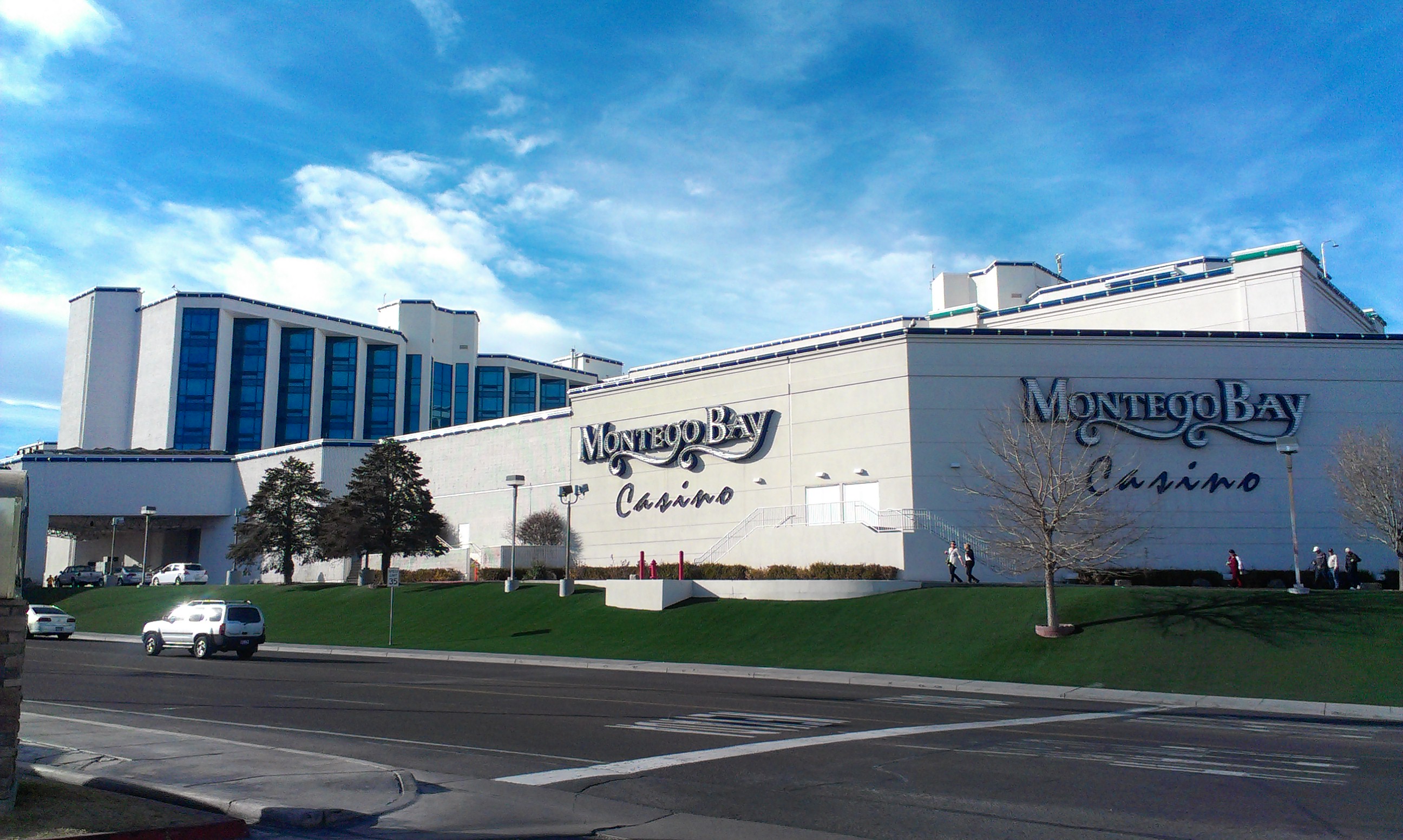
After the 509th departed for Tinian, Wendover returned to conventional training. The base remained active through the Cold War, hosting various units and test programs. As military needs shifted, Wendover contracted. Today, the Utah side is the Wendover Historic Airfield, preserving hangars and buildings from the atomic era. The Nevada side - the town straddles the state line - became a casino district. The contrast is jarring: historic markers about nuclear weapon training adjacent to slot machines. The Enola Gay hangar still stands, now a museum to the men who trained there for a mission that changed human history.
Visiting Wendover
Historic Wendover Airfield is located in Wendover, Utah, on Interstate 80 approximately 120 miles west of Salt Lake City. The site includes the original Enola Gay hangar, now housing the 509th Operations Building Museum. Self-guided walking tours cover 56 structures from the WWII era. The museum displays artifacts, photographs, and interpretive exhibits about the 509th's training. The Bonneville Salt Flats, used for land speed records, are adjacent. West Wendover, Nevada, offers casinos and lodging. The airfield museum operates limited hours; check before visiting. The isolation that made Wendover useful for secret training now requires deliberate effort to reach.
From the Air
Located at 40.72°N, 114.04°W on the Utah-Nevada border at the edge of the Bonneville Salt Flats. From altitude, the salt flats dominate - a brilliant white expanse visible from extreme distance. The Wendover airfield appears as a cluster of runways and buildings at the flats' southern edge. Interstate 80 passes directly through. The town straddles the state line, visible as development amid otherwise empty basin-and-range terrain. The isolation is unmistakable from any altitude: this is genuinely one of the emptiest landscapes in the contiguous United States, which is precisely why the government chose it for atomic bomb training.