Western Zhou Yan State Capital Museum
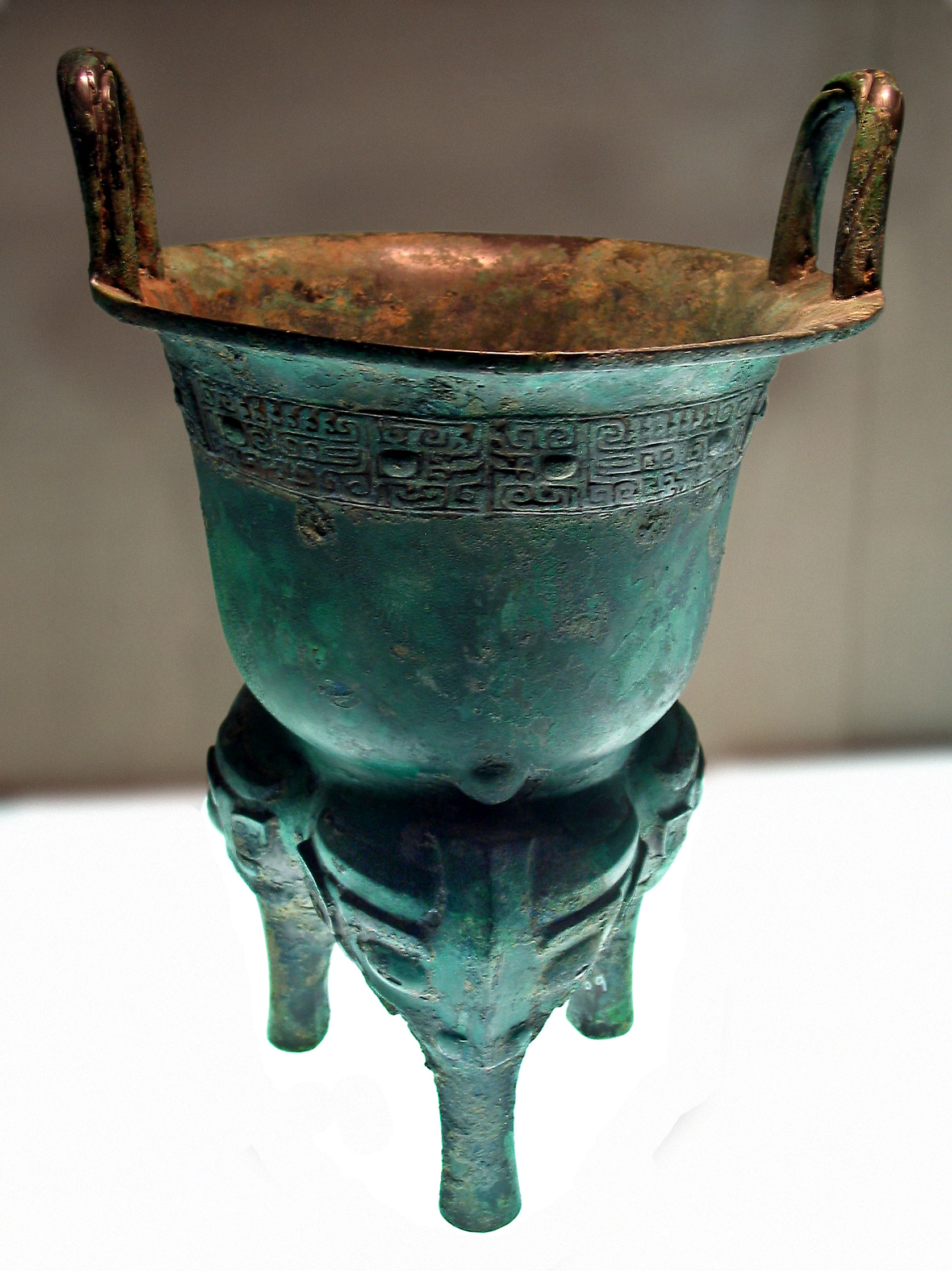
Three thousand years before Beijing became the capital of modern China, a walled city already stood in its southwestern outskirts. The settlement at Liulihe, in what is now Fangshan District, served as the capital of the State of Yan -- a vassal kingdom of the Western Zhou dynasty. When archaeologists discovered the site in 1962, they unearthed engraved bronze ceremonial vessels, entombed chariots, weapons, and ceramics that pushed the known history of urban life in the Beijing region back a full millennium. The find was later ranked among the 100 major archaeological discoveries of 20th-century China.
The Walled City
The ancient capital at Liulihe measured 3.5 kilometres from east to west and 1.5 kilometres from north to south, covering an area of 5.25 square kilometres -- a substantial city by the standards of any era, and enormous for a vassal state of the Western Zhou. A moat two metres deep surrounded the walls. Today, some 829 metres of the northern wall and 300 metres of the western wall remain visible in the farmland around the museum site, stubborn ridges of packed earth that modern agriculture has worked around rather than erased. The city's scale speaks to the strategic importance of the Yan state, positioned at the northern edge of Zhou civilization, guarding the approaches from the steppe peoples beyond.
Bronze, Chariot, and Covenant
The artifacts recovered from Liulihe include bronze ceremonial ware inscribed with texts that memorialize exchanges between the Yan rulers and the kings of the Zhou dynasty -- tangible records of the feudal relationship that bound vassal to sovereign. Bronze libation vessels used in ritual offerings to ancestors. Weapons that armed the soldiers who defended the northern frontier. Chariots buried intact alongside their owners, positioned as if ready for a final journey. These objects represent the earliest archaeological evidence of urban settlement anywhere in the Beijing municipality. Before Liulihe, the story of Beijing as a place of governance and civilization began with the Liao dynasty, roughly 2,000 years later. The bronzes pushed that origin back to the very foundation of Chinese feudal society.
Reading the Ground
The Western Zhou Yan State Capital Museum opened on 21 August 1995, built directly atop the archaeological site it interprets. The museum complex occupies 18,000 square metres, with a main exhibition hall of 3,000 square metres divided into seven galleries. The Hall of Bronze Ceremonial Ware displays the inscribed vessels that first confirmed the site's identity. The Hall of Entombed Chariots preserves some of the buried vehicles in situ. Additional galleries house bronze libation vessels and weapons, ceramic and lacquerware, and over 300 artifacts supplemented by models and replicas. The museum sits near Dongjialin Village, just north of Liulihe Township, 43 kilometres south of Beijing's city center. Visitors can walk from the exhibition halls to the surrounding farmland and stand on the remnants of walls that once enclosed a capital city. The earth has memory here -- it simply requires patience to read.
From the Air
Located at 39.62N, 116.05E in Fangshan District, 43 km south of Beijing city center near Liulihe Township. The museum complex is visible as a modern structure set amid farmland. Remnants of the ancient city walls -- linear earth ridges running east-west (north wall) and north-south (west wall) -- may be visible from lower altitudes. Nearest major airport is Beijing Daxing International Airport (ZBAD). Recommended viewing at 2,000-4,000 feet AGL.