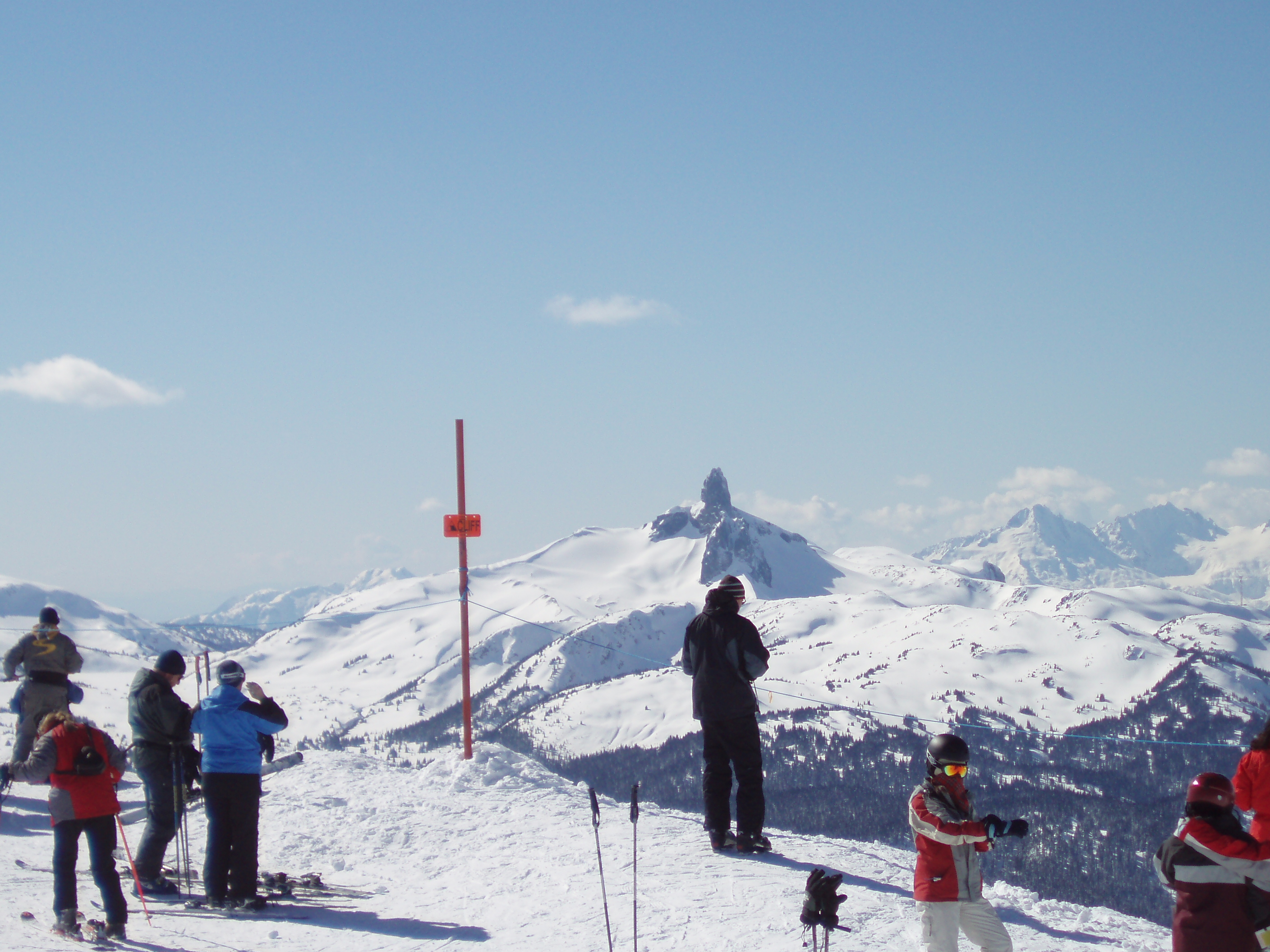
Whistler: The Olympic Village That Became World's Best
Whistler wasn't supposed to become anything. The valley was a garbage dump for logging camps, the mountains too remote for development. But when Vancouver lost its bid for the 1968 Winter Olympics, a group of developers saw opportunity in the mountains that had hosted the failed bid. Whistler opened in 1966 with a single chair lift; by 2010, it was hosting the Winter Olympics, the biggest ski resort in North America. The Peak 2 Peak Gondola connects Whistler and Blackcomb mountains, a 4.4-kilometer span with the longest unsupported gondola stretch in the world. The pedestrian village that seemed artificial became the template other resorts copied. Whistler proved that planning could create what seemed to require organic growth.
The Development
Franz Wilhelmsen, a Norwegian-born businessman, saw potential where others saw garbage. He organized the Garibaldi Lift Company in 1960, persuading investors that the mountains northwest of Vancouver could become a world-class destination. The first lift opened in 1966; the village began developing in 1978 with a pedestrian-only concept borrowed from European resorts. Blackcomb Mountain opened in 1980, creating competition that drove improvement. The two mountains merged ownership in 1997, creating the largest ski resort in North America. The 2010 Winter Olympics capped the transformation: a garbage dump had become an Olympic venue in four decades.
The Mountains
Whistler and Blackcomb together offer over 8,000 acres of terrain, 200+ marked runs, and an annual snowfall averaging 1,100 centimeters. The vertical drop from peak to base exceeds 5,000 feet on each mountain. The terrain ranges from beginner slopes to expert-only steeps; backcountry gates access uncontrolled terrain. The Peak 2 Peak Gondola, opened in 2008, connects the two mountains at 1,427 meters, allowing skiers to cross the valley without descending. The alpine zone provides snow long after lower resorts close; skiing continues into June most years. The scale is continental but the snow is maritime - wetter and heavier than inland resorts, requiring different technique.
The Village
Whistler Village was planned as a pedestrian zone, an approach that seemed radical for a North American development. The design mixed residential and commercial, banned cars from the core, and created public spaces where visitors would gather. The initial development was small; decades of expansion created the village that now houses 30,000+ visitors during peak season. The architecture is ski-chalet international - timber and stone, pitched roofs, a European fantasy in British Columbia. The planning succeeded so completely that newer resorts worldwide copy the model. What seemed like artificial marketing became functional urbanism.
The Olympics
Vancouver's 2010 Winter Olympics used Whistler for alpine skiing, Nordic skiing, luge, and bobsled/skeleton. The alpine events occurred on Whistler Mountain; Nordic events at Whistler Olympic Park. The Whistler Sliding Centre provides the only bobsled/luge track in Canada. The Games brought infrastructure - highway improvements, expanded venues, international attention - but also controversy over costs and environmental impacts. The legacy has been positive for Whistler's reputation; the Olympic brand reinforced its position as world-class destination. The facilities remain in use for training and recreation.
Visiting Whistler
Whistler is located 125 kilometers north of Vancouver via the Sea-to-Sky Highway, one of Canada's most scenic drives. The village is pedestrian-focused; parking is peripheral. Lift tickets are expensive by global standards but include access to both mountains. The Peak 2 Peak Gondola operates year-round for sightseeing. Summer offers mountain biking (the terrain park is legendary), hiking, and golf. The village provides accommodations from hostels to luxury hotels; book ahead during ski season. The Whistler Sliding Centre offers public bobsled experiences. Dining and nightlife are extensive. The experience is resort tourism perfected - expensive, efficient, and genuinely excellent, the artificial village that became real through use.
From the Air
Located at 50.12°N, 122.96°W in the Coast Mountains of British Columbia, 125 kilometers north of Vancouver. From altitude, Whistler appears as a developed valley between two massive peaks - Whistler Mountain and Blackcomb Mountain - their ski runs visible as cleared stripes on forested slopes. The village clusters at the base, compact and pedestrian-scaled. The Peak 2 Peak Gondola line is visible crossing the valley between summits. The Sea-to-Sky Highway traces Howe Sound then climbs inland to the resort. Garibaldi Provincial Park extends to the east, its glaciated peaks undeveloped. What appears from altitude as a purpose-built ski village is exactly that - development planned where garbage dumps once stood, now among the world's most successful mountain resorts.