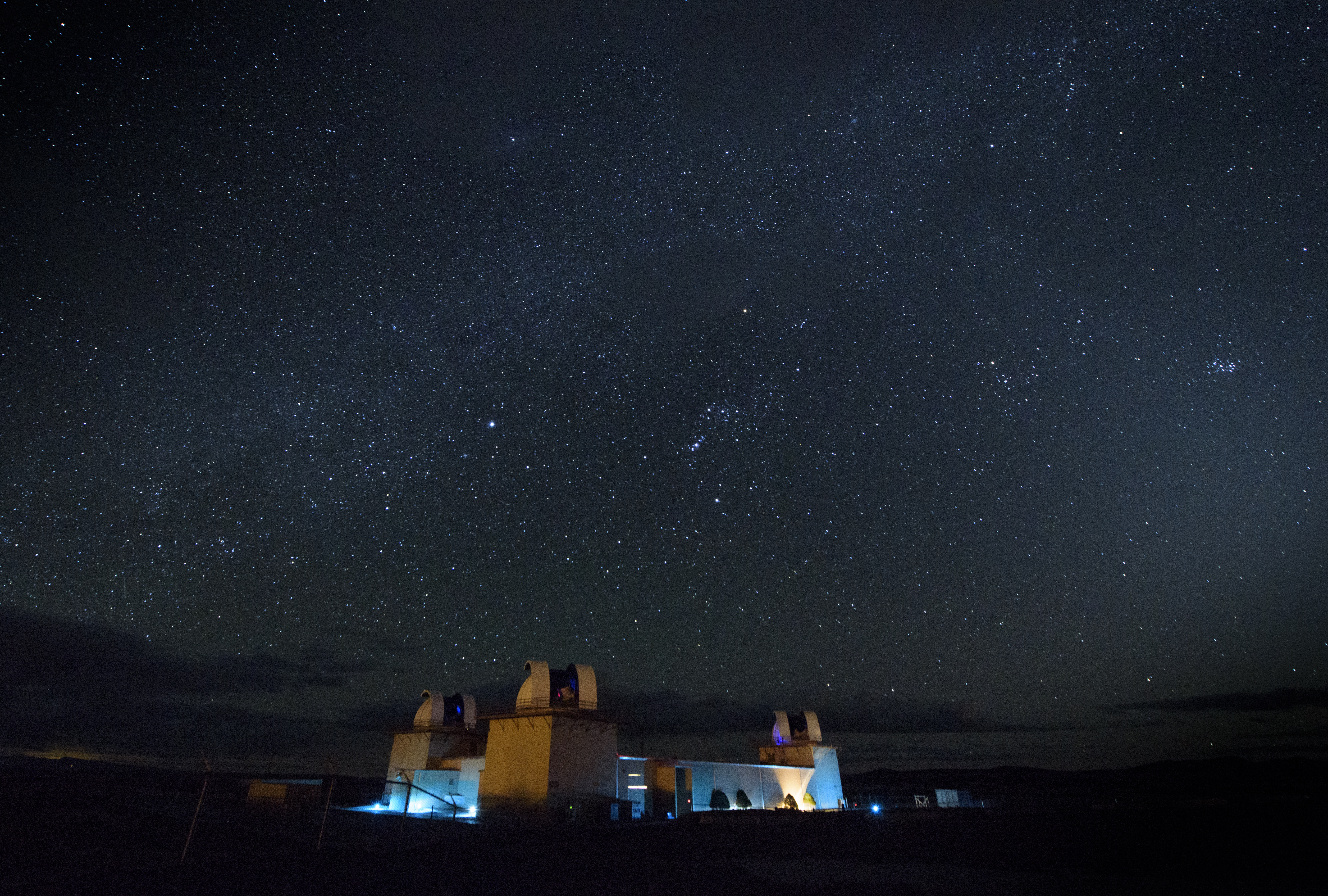
White Sands Missile Range
The Jornada del Muerto -- the Journey of the Dead Man -- earned its name from Spanish colonists who crossed this waterless desert stretch along the Camino Real. They could not have imagined that this desolate basin between the San Andres and Sacramento Mountains would become the birthplace of the atomic age and the cradle of American rocketry. White Sands Missile Range encompasses nearly 3,200 square miles of southern New Mexico, making it the largest military installation in the United States. Within its boundaries, the first nuclear weapon was detonated, captured Nazi rockets launched American space ambitions skyward, and the Space Shuttle once made its only landing outside California and Florida.
Trinity: The Dawn of the Atomic Age
At 5:29 a.m. on July 16, 1945, the world changed forever. The plutonium implosion device codenamed 'Gadget' detonated atop a 100-foot steel tower near the northern boundary of what was then the Alamogordo Bombing and Gunnery Range. The explosion vaporized the tower, created a crater over a thousand feet wide, and fused the desert sand into a glassy substance later named trinitite. Just seven days earlier, on July 9, the White Sands Proving Ground had been officially established. The Trinity test site, where scientists assembled the bomb at the nearby McDonald Ranch House, became a National Historic Landmark in 1965. Today, the site opens to visitors twice yearly, in April and October.
Rockets from the Reich
After Germany's defeat in World War II, American forces captured 100 long-range V-2 rockets and shipped them, along with hundreds of German rocket scientists under Operation Paperclip, to White Sands. Between 1946 and 1951, 67 of these missiles were test-fired from what became the White Sands V-2 Launching Site, now also a National Historic Landmark. These tests were not without incident. On May 15, 1947, a V-2 veered off course and landed northeast of Alamogordo. Two weeks later, another modified V-2 crashed south of the Ciudad Juarez business district in Mexico, leaving a crater that sparked international concern. The V-2 program laid the foundation for every American rocket that followed, from the Nike missile defense systems to the Saturn V that carried astronauts to the Moon.
A Proving Ground for Everything
The range's scope expanded dramatically over the decades. Launch Complex 36 tested the Apollo program's Launch Escape System using Little Joe II rockets between 1963 and 1966. The Nike Zeus and Nike Hercules anti-ballistic missile systems were developed here. President John F. Kennedy visited in June 1963 for Missile Exercise White Sands. In a twist of technological irony, from 1983 to 1993, WSMR hosted Simtel, one of the largest collections of free software on the early Internet. On March 30, 1982, NASA's Space Shuttle Columbia landed on the Northrop Strip, the only time the shuttle program used White Sands as a landing site. In 2022, Boeing's Starliner spacecraft touched down at the White Sands Space Harbor after returning from the International Space Station.
A Landscape Shared
White Sands Missile Range contains multitudes beyond military hardware. White Sands National Park, established in the 1930s, lies within its boundaries -- fields of brilliant white gypsum dunes that form one of the world's most otherworldly landscapes. The San Andres National Wildlife Refuge provides protected habitat within the range. U.S. Highway 70 traverses the southern portion of the installation, though travelers should note that periodic road closures occur during test firings. The range borders Holloman Air Force Base to the east and connects with the McGregor Range Complex at Fort Bliss to the south, creating a continuous swath of military testing territory that stretches across five New Mexico counties.
From the Air
White Sands Missile Range is located at 32.34N, 106.41W in south-central New Mexico, encompassing nearly 3,200 square miles across Dona Ana, Otero, Socorro, Sierra, and Lincoln counties. The range occupies the Tularosa Basin between the San Andres Mountains to the west and the Sacramento Mountains to the east. The brilliant white gypsum dunes of White Sands National Park are visible from high altitude. Restricted airspace covers the entire range -- pilots must contact Albuquerque Center or El Paso Approach for clearance. Holloman AFB (KHMN) lies to the east, and El Paso International (KELP) is approximately 50 miles south.