Wichita: The Air Capital Where Cessnas and Beechcrafts Are Born
Wichita calls itself 'The Air Capital of the World' and earns the title - more general aviation aircraft are manufactured here than anywhere else, the names (Cessna, Beechcraft, Learjet, Boeing operations) defining an industry. The city of 400,000 sits on the Arkansas River in central Kansas, the flatness that's a joke elsewhere becoming advantage for runways and test flights. Wichita was a cattle town first, the northern terminus of the Chisholm Trail where Texas longhorns met the railroad. The cattle trade ended; the aviation industry arrived in the 1920s. The transition from cattle to aircraft defined a city that's more industrial than agricultural, more technical than the prairie stereotype suggests.
The Aviation
The aviation industry concentrated in Wichita through a combination of geography (flat land, clear weather for flying), timing (pioneers like Clyde Cessna and Walter Beech established shops here in the 1920s), and clustering (once some companies were here, suppliers and workforce followed). The industry peaked mid-century, declined with competition and consolidation, but remains significant - Cessna and Beechcraft (now Textron Aviation) continue production; Spirit AeroSystems builds Boeing fuselages; smaller companies fill niches. The aviation history is told at the Kansas Aviation Museum in the old municipal terminal. Wichita's identity depends on an industry that's constantly under threat.
The Cattle
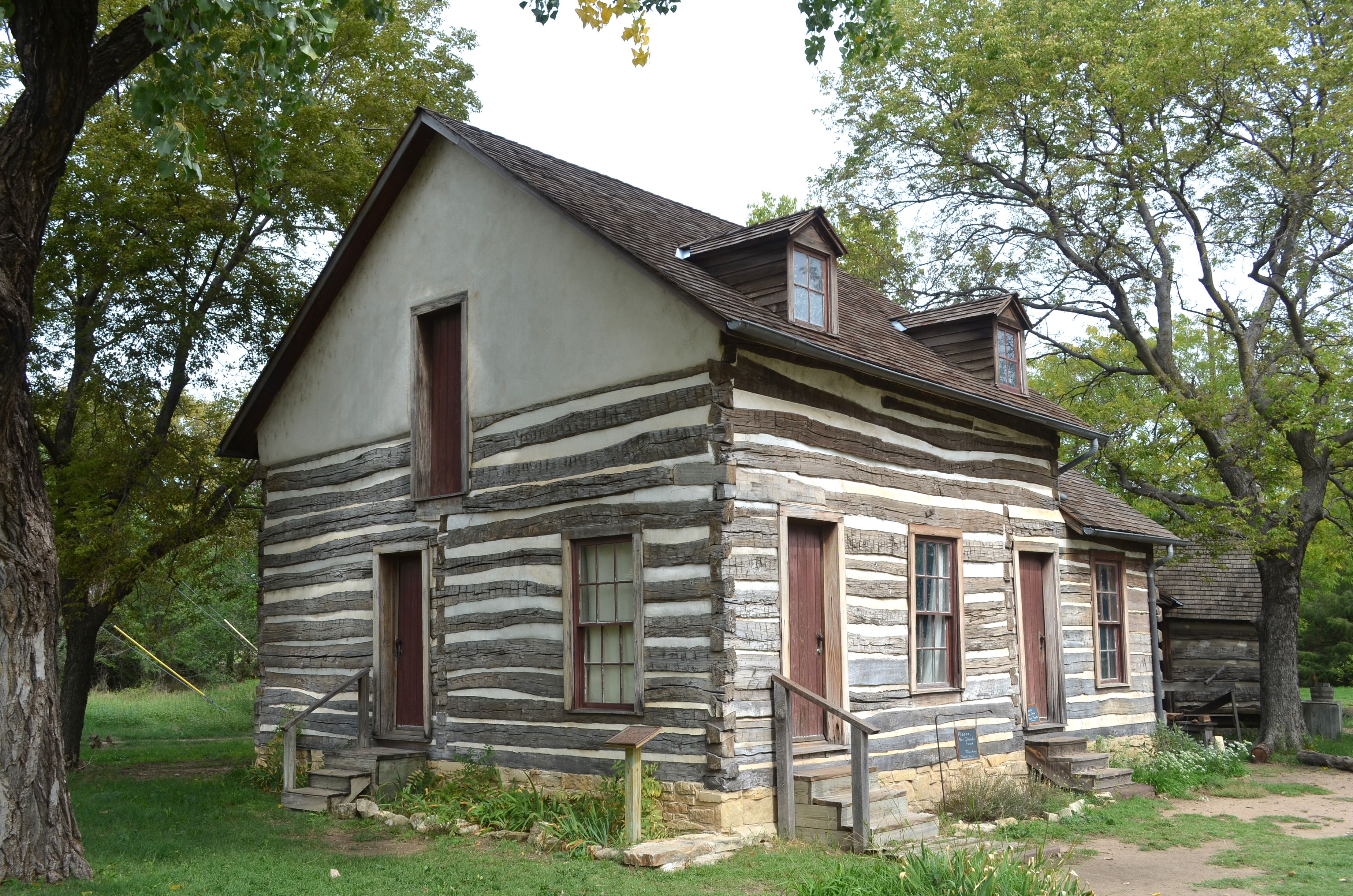
Before aviation, there were cattle. The Chisholm Trail brought Texas longhorns to Wichita from 1867 to 1876, the cowboys driving herds north to the railroad, the town booming with cattle money and cattle-town lawlessness. Wyatt Earp served briefly as a policeman here before Dodge City and Tombstone made him famous. The cattle trade moved west when Wichita banned the drives; the town nearly died before reinventing itself. The Old Cowtown Museum recreates the cattle-era town. The transition from cattle to aircraft is the story of Wichita's survival - the willingness to become something new when the old economy ends.
The Koch
Koch Industries is headquartered in Wichita - the second-largest private company in America, the source of the Koch brothers' billions, the funding engine for libertarian and conservative politics. Charles Koch still lives in Wichita; the company's influence on local philanthropy and politics is pervasive. The politics Koch supports - anti-regulation, anti-union, skeptical of climate science - reflect a worldview formed in Kansas business. Wichita hosts one of America's most politically influential companies, the decisions made here shaping national debates. The Koch presence gives Wichita significance beyond its size.
The Culture
Wichita's cultural scene punches above its weight for a Kansas city - the Wichita Art Museum, the Mid-America All-Indian Center, the local music scene that produced alternative rock. The Old Town district provides entertainment and nightlife in renovated warehouses. The efforts to attract and retain young people - the kind of programming that fights brain drain - show in the downtown investment. Wichita isn't hip, but it's trying; the work-in-progress character is part of the appeal for those tired of finished, expensive cities. The culture is what a manufacturing city builds when it wants to be more than manufacturing.
Visiting Wichita
Wichita is served by Dwight D. Eisenhower National Airport (ICT). The Kansas Aviation Museum tells the aircraft industry story. Old Cowtown Museum recreates the cattle-era town. The Keeper of the Plains, a 44-foot steel sculpture at the river confluence, is lit by fire rings at night. The Wichita Art Museum is free on Saturdays. Exploration Place offers science exhibits. Old Town provides restaurants and entertainment. For food, the Vietnamese community has created a significant restaurant scene. The weather is Kansas: extreme - hot summers, cold winters, tornado season in spring. Wichita rewards visitors who appreciate industrial heritage and don't expect tourist infrastructure.
From the Air
Located at 37.69°N, 97.34°W on the Arkansas River in central Kansas. From altitude, Wichita appears as urban development on flat prairie - the runways and aviation facilities visible, the river winding through, the agricultural land extending in all directions. The flatness that enables aviation is obvious from altitude. What appears from altitude as Kansas's largest city is the Air Capital - where Cessnas and Beechcrafts are born, where the Chisholm Trail once ended, and where Koch Industries shapes national politics from a prairie headquarters.