Willow Garage
In the summer of 2009, a robot named PR2 opened a door, navigated a hallway, found a power outlet, and plugged itself in. The demonstration happened at Willow Garage, a robotics research lab in Menlo Park, California, and it represented a milestone that the robotics community had been working toward for years: a general-purpose machine that could interact with the built environment autonomously. Willow Garage would shut down five years later, but the software it created, the Robot Operating System, would become the Linux of robotics, and its alumni would go on to build companies that deliver blood by drone, manage warehouse logistics, and put robots in hotel corridors.
From Google to Robots
Willow Garage was created in late 2006 by Scott Hassan, who had worked with Larry Page and Sergey Brin to develop the technology that became the Google Search engine. Hassan's vision was to build the hardware and open-source software platforms that a personal robotics industry would need. The first employees, hired in January 2007, initially worked on a self-driving SUV for the 2007 DARPA Grand Challenge and an autonomous solar-powered boat for deploying scientific payloads in open oceans. By late 2008, the focus had shifted to personal robotics after Eric Berger and Keenan Wyrobek pitched the creation of common hardware and software platforms. They had previously started the Stanford Personal Robotics Program and brought that vision to Willow Garage.
The Robot and the Operating System
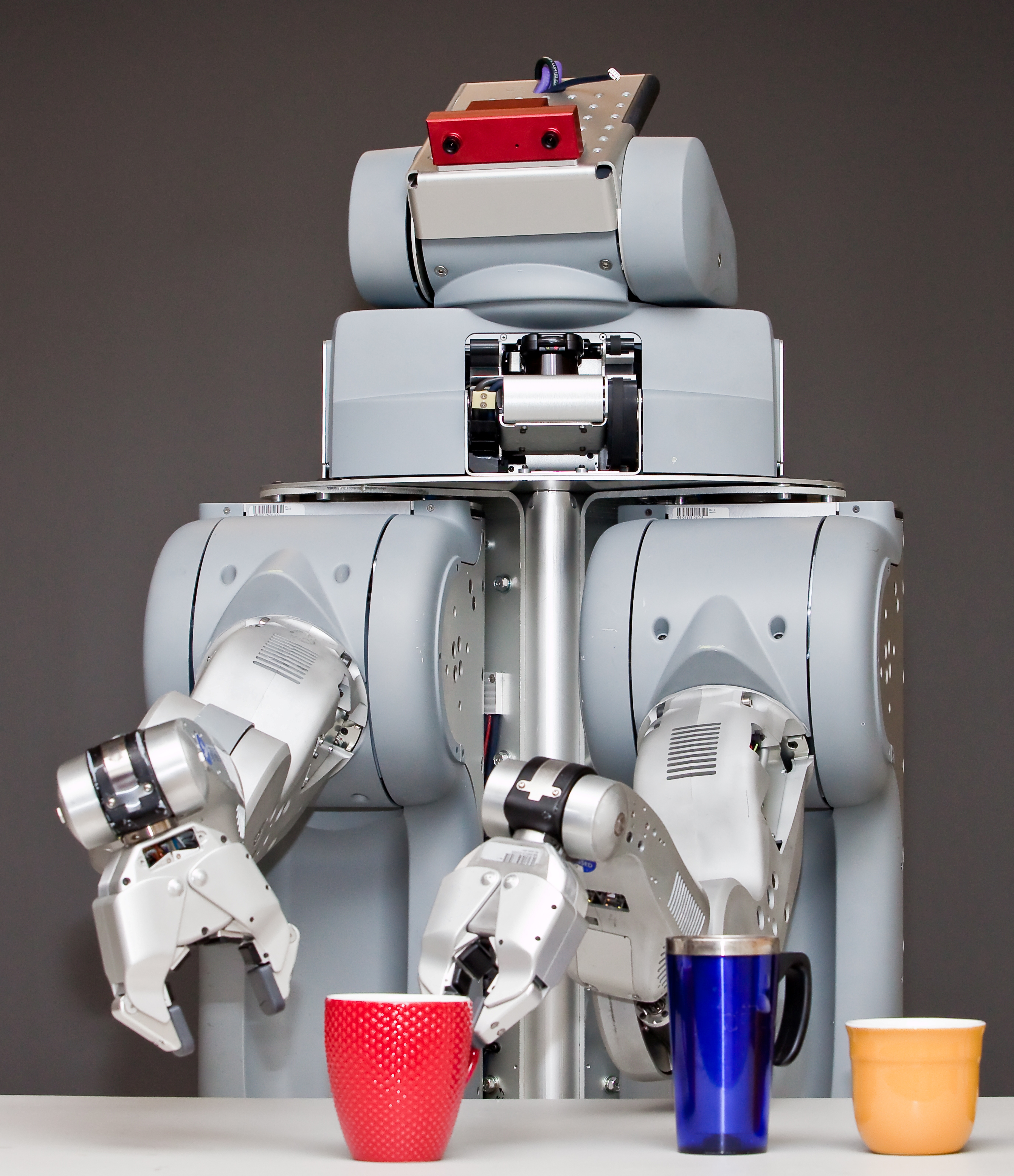
The PR2, standing for Personal Robot 2, was a human-sized robot with two seven-degree-of-freedom arms, a 5-megapixel camera, a tilting laser range finder, and an inertial measurement unit. Two 8-core servers in its base provided 48 gigabytes of RAM, and 16 laptop batteries kept it running. In June 2010, Willow Garage loaned eleven PR2 units to research teams around the world for two years, each robot coming with the free, open-source Robot Operating System framework. ROS had reached version 1.0 in January 2010 and was rapidly becoming the standard tool among robotics researchers worldwide. By the end of 2010, the ROS community was approaching 100 software repositories.
Seven Spinoffs and a Drone Company
Willow Garage spun off at least seven companies before shutting down in early 2014. Google acquired three of them in 2013, including Industrial Perception and Redwood Robotics. Open Robotics became an independent nonprofit overseeing ROS development. Suitable Technologies created the Beam remote presence system. Beyond the official spinoffs, alumni founded companies that reshaped entire industries. Keenan Wyrobek co-founded Zipline, which delivers blood and medical supplies by drone in Africa and the United States. Steve Cousins, the former CEO, led Savioke, which built hotel service robots. Melonee Wise founded Fetch Robotics for warehouse logistics. Willow Garage also maintained OpenCV, the computer vision library, and the Point Cloud Library, all under open-source BSD licenses.
From the Air
Located at 37.45°N, 122.17°W in Menlo Park, California. Palo Alto Airport (KPAO) is approximately 2 miles east. San Carlos Airport (KSQL) is about 4 miles northwest. The former Willow Garage facility was located in a commercial area near the intersection of Willow Road and Middlefield Road.