Wings Over the Rockies Air and Space Museum
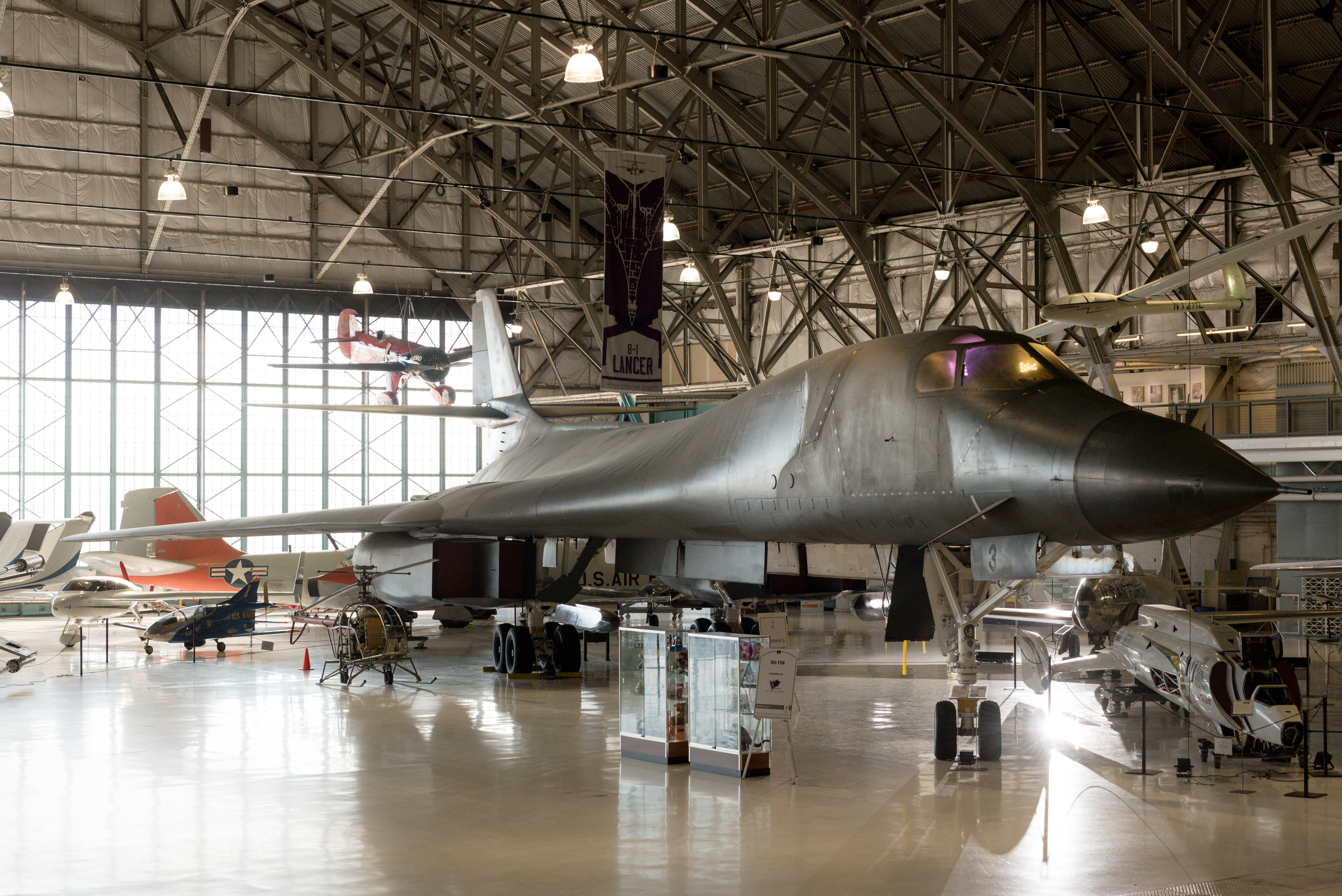
The massive hangar doors that once swung open for B-52 bombers now welcome visitors to Colorado's official air and space museum. Wings Over the Rockies occupies Hangar 1 on the former Lowry Air Force Base, a facility that graduated more than 1.1 million military personnel between 1937 and 1994. When the base closed, a group of volunteers transformed this 182,000-square-foot cathedral of aviation into a museum housing over fifty aircraft, from a 1939 Douglas Bolo bomber to Cold War interceptors and an actual Apollo boilerplate capsule on loan from the Smithsonian.
Training Ground for Four Wars
Lowry Air Force Base served as a technical training center for nearly six decades, preparing American service members for World War II, the Korean War, the Vietnam War, and the Cold War. At its peak in the 1980s, the base employed approximately 10,000 military and civilian personnel, generating an economic impact approaching one billion dollars annually. The skills taught here ranged from armament to photography, equipping generations of airmen with the technical expertise to maintain and operate America's air power. When the Air Force transferred Hangar 1 to local volunteers in 1994, they inherited not just a building but a legacy of service stretching back to the earliest days of American military aviation.
A Fleet Frozen in Time
The museum's collection reads like a history of twentieth-century air power. The massive B-52B Stratofortress that once carried nuclear weapons now rests beneath the hangar's vaulted ceiling. An F-14 Tomcat, made famous by Top Gun, shares space with the sleek B-1A Lancer, a swing-wing bomber prototype. The F-105 Thunderchief, the workhorse of Vietnam, stands alongside the F-102 Delta Dagger that defended American skies during the Cuban Missile Crisis. Beyond the military iron, civilian aircraft trace their own parallel history: a Learjet 24, a Piper Cub, and the curious Ball-Bartoe Jetwing experimental aircraft. For Star Wars fans, a three-quarter scale X-Wing Starfighter replica, built to promote the 1997 re-release of the original trilogy, adds a touch of science fiction to the science fact.
Reaching Beyond the Atmosphere
The museum's space collection connects Colorado to the final frontier. A McDonnell Apollo Boilerplate capsule, on loan from the Smithsonian, represents the spacecraft that carried Americans to the moon. The Space Station Freedom command module mockup, built by Colorado's own Martin Marietta, offers a glimpse into orbital habitation. The HL-20 Personnel Launch System, nicknamed Dream Chaser, hints at the future of commercial spaceflight. A Centaur upper stage, the rocket engine that propelled countless satellites and space probes beyond Earth's gravity, completes the journey from atmosphere to orbit. These artifacts honor the NASA astronauts with Colorado connections who rode similar hardware into space.
Inspiring the Next Generation
Wings Over the Rockies operates as more than a repository of aviation history. The Wings Aerospace Pathways program offers hands-on STEM education to middle and high school students. The Pilot Pathway introduces young people ages eight to seventeen to flight through the Experimental Aircraft Association's Young Eagles program, providing free airplane rides that might spark lifelong passions. Drone pilot training prepares students for the emerging commercial unmanned aircraft industry. The James C. Ray Foundation provides flight training scholarships for Colorado students ages fifteen to eighteen. A technical research library contains over 15,000 aviation and aerospace titles, plus extensive documents on Lowry Air Force Base history. The museum's television show, Behind the Wings, airs on Rocky Mountain PBS, extending its educational mission beyond the hangar walls.
From the Air
Located at 39.72N, 104.90W in east Denver on the former Lowry Air Force Base. The large hangar structure is visible from the air. Centennial Airport (KAPA) lies approximately 7 miles south and houses the museum's second location, Exploration of Flight. Denver International (KDEN) is 15 miles northeast. Rocky Mountain Metropolitan (KBJC) is 20 miles northwest. The museum sits in Class B airspace under Denver's shelf; contact Denver Approach for transitions.