Winnipeg Railway Museum
She arrived by barge. In October 1877, the locomotive known as the Countess of Dufferin was floated down the Red River to Winnipeg on a flatboat, the first steam engine to reach the Canadian prairies. There were no tracks waiting for her -- those would come later, as the Canadian Pacific Railway pushed its way west across the continent. Today, the Countess sits inside Winnipeg's Union Station, the centrepiece of a railway museum built on the very platforms and tracks where passengers once boarded transcontinental trains. The museum is the work of the Midwestern Rail Association, a volunteer-run non-profit founded in 1975, and its location inside an active Via Rail station gives it a quality that purpose-built museums cannot replicate: the sound of real trains arriving overhead while you stand among the relics of the ones that came before.
Tracks Beneath the Station
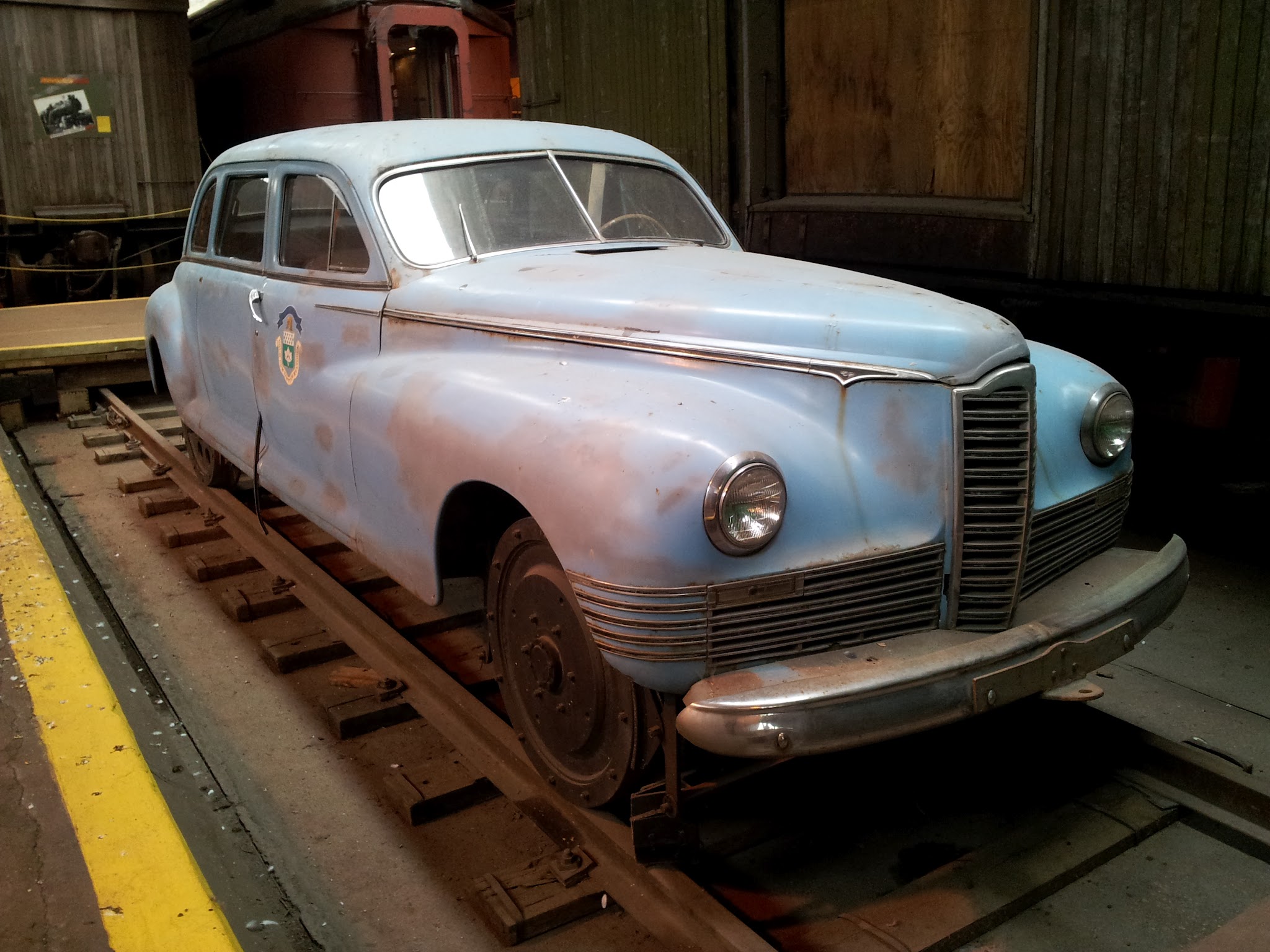
The Winnipeg Railway Museum occupies tracks 1 and 2 of Union Station, platforms that fell silent as passenger rail service contracted over the decades. Visitors descend the same staircase that travellers once used to reach their trains when this section of the station was still active. On the disused platforms, exhibition locomotives, freight cars, and portable buildings housing model-train layouts fill the cavernous space. The collection includes vintage railcars from both the Canadian National Railway and Canadian Pacific Railway eras, technical displays explaining the mechanics of steam and diesel locomotion, and an HO-scale model layout that miniaturizes the rail networks that made Winnipeg the crossroads of western Canada. The exhibit hall has the feel of a working rail yard frozen in amber -- dim light, concrete platforms, and the faint smell of grease on iron.
The Countess and the Prairie
The star of the collection is the Countess of Dufferin, a 4-4-0 steam locomotive that represents the moment the railway age arrived on the Canadian plains. Named for the wife of the Governor General, the Countess was shipped from the Dübs and Company foundry in Glasgow, Scotland, and transported to Manitoba via the United States -- by rail to Duluth, Minnesota, then by barge across Lake Superior and down the Red River. Her arrival in 1877 preceded the completion of the transcontinental railway by nearly a decade. For Winnipeg, the Countess was a harbinger: the city would grow into Canada's great railway hub, the point where eastern grain shipments met western cattle drives, where immigrant families transferred to colonist cars bound for homesteads across Saskatchewan and Alberta. The locomotive that arrived without tracks to run on outlived the era she helped create.
A Museum Between Journeys
The museum's future has been shaped by the same forces that shaped the railways themselves: shifting economics and competing visions for urban space. The museum closed at the end of 2021 to address necessary renovations, and its fate became entangled with Winnipeg's plans to convert Union Station into a rapid transit hub. In November 2022, the Midwestern Rail Association secured a new 25-year lease from Via Rail, contingent on resolving fire code issues. As of 2024, the organization had completed upgrades to the roof, windows, skylights, and lighting, with hopes to reopen once replacement walls and upgraded electrical and fire safety systems are finished. The tension is fitting: a museum dedicated to a transportation revolution that transformed a continent now negotiates its own survival within a station being reimagined for the next generation of transit. The Countess of Dufferin, meanwhile, waits patiently on her platform, as she has since long before anyone worried about fire codes.
From the Air
Located at 49.889°N, 97.134°W in downtown Winnipeg, inside the Beaux-Arts Union Station building near the Forks -- the confluence of the Red and Assiniboine rivers. The station's distinctive domed roof is visible from low altitude approaches. Winnipeg James Armstrong Richardson International Airport (CYWG) lies approximately 5 nm west-northwest. The rail yards extending north and south of Union Station are a prominent visual feature from the air, tracing the historic rail corridors that made Winnipeg a continental hub. Best viewed at 2,000-4,000 feet AGL. The Forks National Historic Site adjacent to the station is another useful landmark.