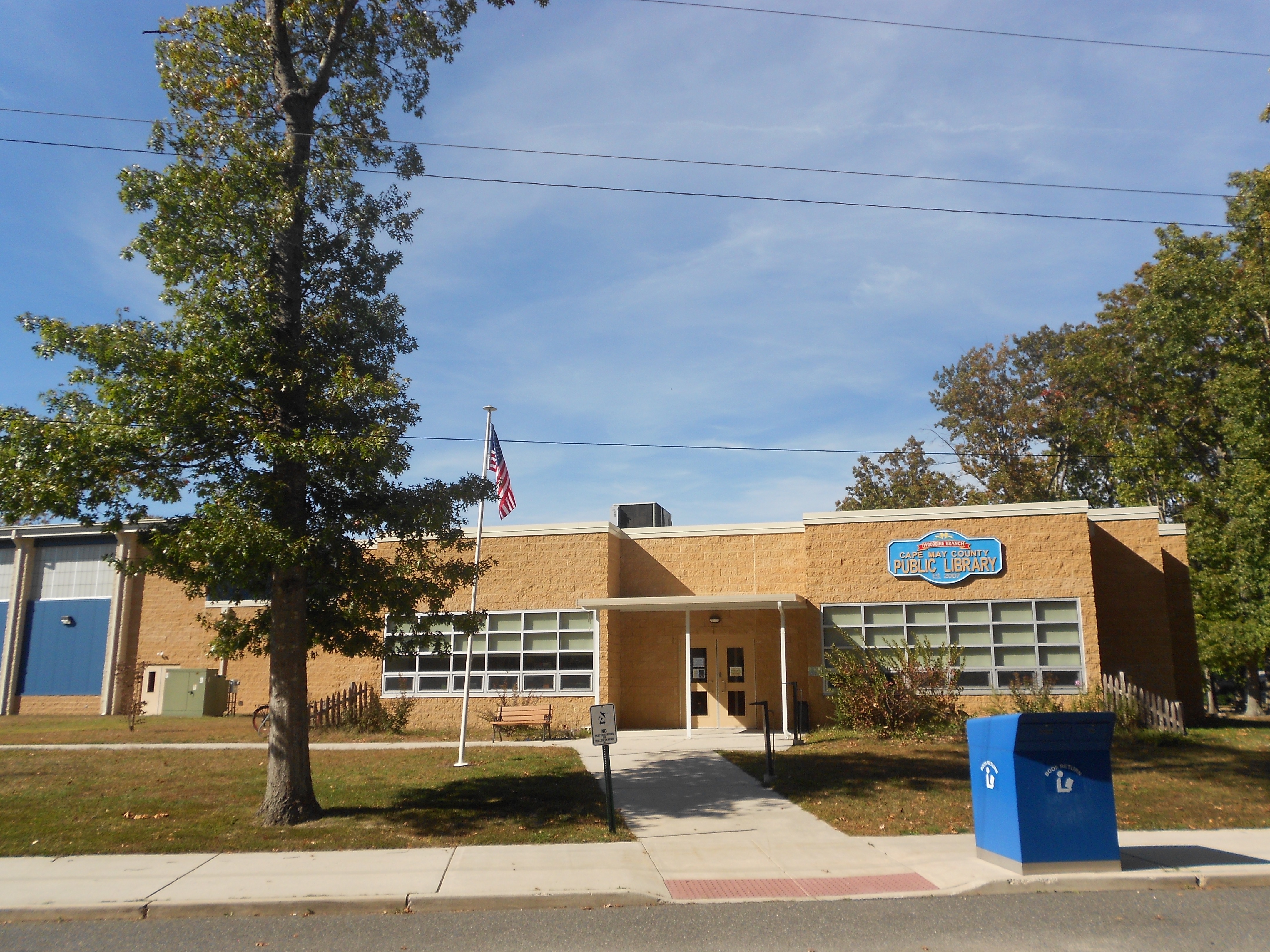
Woodbine, New Jersey
The streets of Woodbine still follow the grid that was drawn in 1891, when immigrants from Poland and Russia arrived in the pine forests of Cape May County to build something unprecedented: a Jewish farming colony in the wilds of South Jersey. Funded by the Baron DeHirsch Fund -- the philanthropic engine of railroad magnate Maurice de Hirsch -- the colony was an experiment in reinvention, a bet that people fleeing persecution could transform themselves from urban refugees into American farmers. Within two years, the settlers had cleared the forest, platted a town, and established thriving farms. What happened next was stranger still: an agricultural college that won international awards, a world war that turned the fields into an airstrip, secret midnight flights carrying weapons to a nation not yet born, and a local boy who helped invent the pill that changed the twentieth century.
The Colony in the Pines
In 1891, the Baron DeHirsch Fund purchased land in Dennis Township, Cape May County, and invited Eastern European Jewish immigrants to settle a new community. Under the direction of agronomist and chemist Hirsch Loeb Sabsovich, the colonists adopted modern agricultural practices and turned Woodbine into a model farming community. Sabsovich became the borough's first mayor when Woodbine incorporated in 1903. The colony was sometimes called the "Jewish Colony" in its early years, but its founders actively encouraged non-Jews to settle alongside them as part of their sociological vision -- an integrated community built on shared labor and shared soil. The residential center of Woodbine still uses the same street grid laid out by those first settlers, a physical reminder that this town was planned from scratch with utopian ambitions.
A College That Outgrew Its Roots
In 1894, the community founded the Baron DeHirsch Agricultural College, which quickly became a model of progressive education. The college and its graduates won state, national, and international awards for their work in agriculture and applied science. Among the people shaped by Woodbine's intellectual culture was Gregory Goodwin Pincus, born here in 1903, who went on to become a biologist and co-inventor of the combined oral contraceptive pill -- one of the most consequential medical innovations of the twentieth century. Jacob Goodale Lipman, another Woodbine figure, became a leading professor of agricultural chemistry. The college operated until World War I forced its closure in 1917, signaling a broader shift in the community from agriculture to light manufacturing. The campus eventually became the Woodbine Developmental Center, a state-run facility that grew into Cape May County's largest employer.
Warbirds and U-Boats
During World War II, German U-boats prowled the waters off the Jersey coast with alarming frequency, sinking merchant ships within sight of shore. The United States Army built an airfield in Woodbine to serve as a training base and launch point for anti-submarine patrols over the Atlantic. The small farming colony suddenly found itself on the front lines of a different kind of war -- one fought in the skies above the continental shelf. The airfield brought military personnel, infrastructure, and a new identity to a town that had been founded on agrarian ideals. When the war ended, the runways remained. Today, Woodbine Municipal Airport is the center of the borough's redevelopment efforts, a link to a chapter of history that transformed a farming settlement into a military outpost overnight.
Secret Flights to a New Nation
In 1946 and 1947, the Woodbine airfield took on a covert role that connected this small New Jersey borough to one of the most consequential geopolitical events of the mid-twentieth century. Under cover of darkness, secret flights carried arms and munitions from Woodbine to support the creation of the State of Israel. The flights were part of a broader clandestine effort by American supporters of Jewish statehood, and Woodbine's location -- remote, equipped with military-grade runways, and rooted in a community with deep ties to the Jewish diaspora -- made it an ideal staging ground. The connection between Woodbine's founding as a Jewish colony and its later role in Israel's birth is one of those threads of history that feels almost too neat, too purposeful, to be coincidence.
A Borough Built on Many Lives
Woodbine today is a borough of about 2,100 people, with the lowest average property tax bill in Cape May County. The Sam Azeez Museum of Woodbine Heritage, maintained by Stockton University and housed in the Woodbine Brotherhood Synagogue, preserves the story of the colony and its descendants. By the 1980s, several of the original colony buildings had been demolished, including the synagogue on the grounds of Woodbine Hospital, but the museum ensures the narrative survives. The Rabinowitz family alone illustrates the colony's reach: Joseph Rabinowitz founded the Woodbine Children's Clothing Company and became mayor at age 37 in 1910; his grandson Jay Rabinowitz served as chief justice of the Alaska Supreme Court; another descendant, Robert Rabinowitz, created the musical Beatlemania. From a clearing in the South Jersey pines, the people of Woodbine scattered across the country and changed it.
From the Air
Woodbine sits at 39.23N, 74.81W in inland Cape May County, New Jersey. Woodbine Municipal Airport (2N1) is located directly in the borough and is the most prominent feature from the air -- look for the runway amid the flat, forested terrain of the southern New Jersey pine country. The town is set back from the coast with no direct ocean visibility. Cape May County Airport (KWWD) is approximately 12 nm to the south. Atlantic City International (KACY) is about 30 nm to the northeast. County Routes 550 and 557 are the primary roads through town.