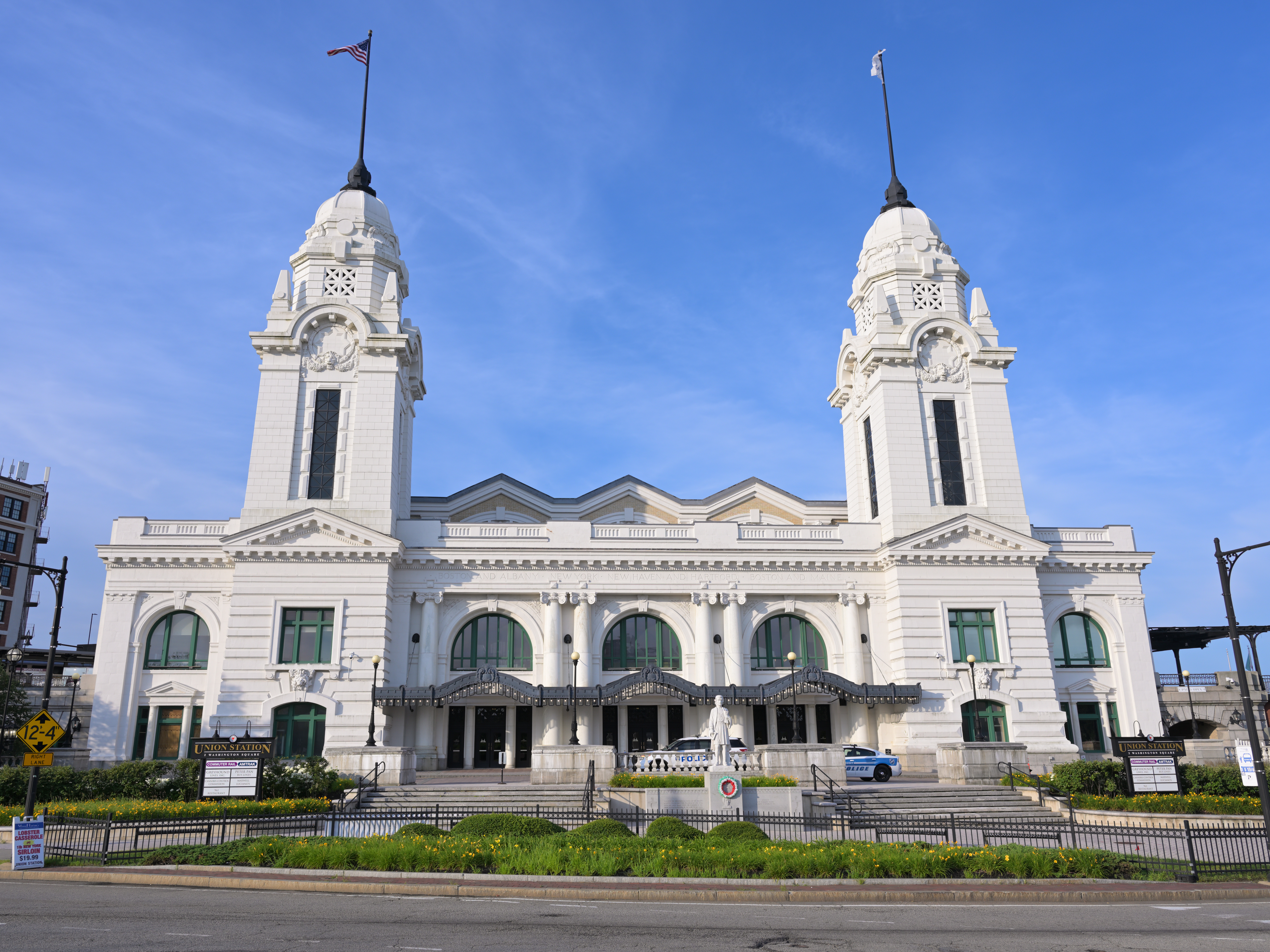
Worcester: The Second City That Nobody Visits
Worcester is Massachusetts's second-largest city and its most overlooked - an hour west of Boston, invisible to tourists who never leave the coastal strip, unknown to Americans who assume Massachusetts is only Boston. The city of 205,000 was an industrial powerhouse when Boston was just a port; the factories that made Worcester important closed decades ago. What remains is a college town (12 colleges and universities for 205,000 residents), a healthcare center, and a city rebuilding slowly from industrial collapse. Worcester is where the American diner was invented, where three professional sports franchises play minor leagues, where New England grit persists without New England tourist dollars.
The Diners
The American diner was invented in Worcester - the lunch wagon that Walter Scott built in 1872 to serve food to night workers, the prefabricated restaurants that Worcester companies manufactured and shipped nationwide. The Worcester Lunch Car Company built diners from 1906 to 1961; the distinctive streamlined designs defined what Americans picture when they picture a diner. A dozen historic diners still operate in Worcester - the Miss Worcester, the Boulevard, the Parkway - the surviving specimens of an invention the city forgot to celebrate. The diner heritage is Worcester's quirky contribution to American culture.
The Colleges
Worcester has 12 colleges and universities for 205,000 residents - a concentration that defies explanation. The College of the Holy Cross, Worcester Polytechnic Institute, Clark University, Assumption University, and others cluster improbably. The student population (35,000+) shapes the city's character, providing the young population and economic activity that industrial decline took away. The colleges are Worcester's economic anchor now, the employers that don't relocate, the institutions that outlasted the factories. Worcester's identity as college town is accidental but essential.
The Industry
Worcester's industrial history is significant and forgotten - the city was a manufacturing center when Boston was still colonial. Norton Company made grinding wheels and abrasives; American Steel & Wire made everything from paper clips to barbed wire; the factories employed tens of thousands. The industry left, as it left everywhere, the competition from the South and overseas too strong. The industrial buildings have been converted to apartments and offices; the industrial jobs have not been replaced with equivalents. Worcester's decline is Rust Belt decline, just in New England rather than Ohio.
The Healthcare
UMass Memorial Health Care is Worcester's largest employer now - 13,000 employees, the academic medical center affiliated with UMass Chan Medical School. The hospital complex anchors the economy the way factories once did, providing the stable employment that blue-collar work can't. The medical school trains doctors; the hospital treats patients; the healthcare industry replaced manufacturing as Worcester's economic base. The transition from factory work to healthcare work is the transition American cities have made; Worcester is an example of both the success and the limitations.
Visiting Worcester
Worcester is served by Worcester Regional Airport (ORH) with limited flights; Boston's Logan (60 miles east) is the alternative. The Worcester Art Museum holds an unexpectedly strong collection. The EcoTarium combines nature center and planetarium. The historic diners are worth seeking out - Miss Worcester is the classic. The DCU Center hosts events and the Railers hockey team. Shrewsbury Street offers restaurants. The colleges offer campus visits. The Blackstone River Valley National Historical Park tells the industrial story. The weather is New England: cold winters, pleasant summers. Worcester rewards visitors who appreciate overlooked cities.
From the Air
Located at 42.26°N, 71.80°W in central Massachusetts on the Blackstone River. From altitude, Worcester appears as urban development in hilly terrain - the college campuses visible as distinctive clusters, Boston 60 miles to the east. What appears from altitude as Massachusetts's second city is the Heart of the Commonwealth - where diners were invented, where colleges cluster improbably, and where the industrial heritage is more significant than the obscurity suggests.