World's Columbian Exposition
The original Ferris wheel stood 264 feet tall, carried 2,160 passengers at a time, and existed for exactly one purpose: to out-engineer the Eiffel Tower. George Washington Gale Ferris Jr. built it for the 1893 World's Columbian Exposition in Chicago, a six-month spectacle so ambitious it reshaped American architecture, settled the war between alternating and direct current, introduced the word "midway" to the English language, and ended with the assassination of Chicago's mayor. The fair occupied Jackson Park on the South Side, where Frederick Law Olmsted transformed swampland into a dreamscape of neoclassical buildings, canals, and lagoons. Twenty-seven million people visited between May and October of 1893. Almost every structure was temporary - built of plaster, cement, and jute fiber painted white. The White City, as it was called, vanished. But the ideas it planted still shape how American cities look.
Winning the Prize
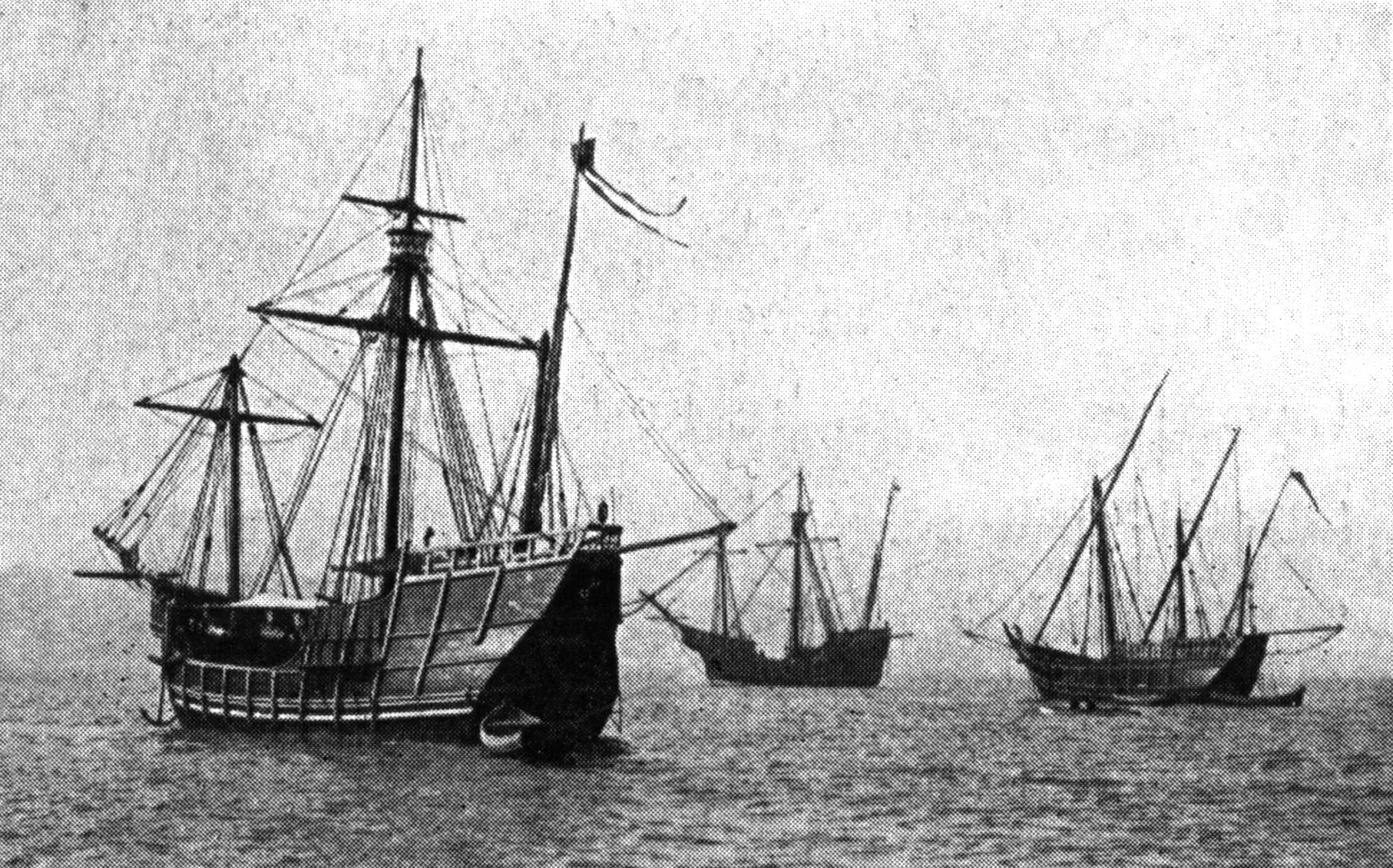
The fair was conceived to celebrate the 400th anniversary of Columbus's arrival in the New World, and competition for hosting rights was fierce. New York financiers J.P. Morgan, Cornelius Vanderbilt, and William Waldorf Astor pledged $15 million if Congress chose New York. Chicago countered with its own titans: Marshall Field, Philip Armour, Gustavus Swift, and Cyrus McCormick Jr. Congress awarded the fair to Chicago, and the city set about proving it deserved it. Daniel Burnham and John Wellborn Root led the design. Frederick Law Olmsted, already famous for Central Park, designed the grounds. The layout featured nearly 200 temporary buildings in neoclassical style, canals and lagoons symbolizing Columbus's voyage, and exhibits from 46 countries. Chicago commemorated the fair with a star on its municipal flag - one it still carries today.
The War of the Currents
The effort to illuminate the fair became a battleground in the struggle between Thomas Edison's direct current and George Westinghouse's alternating current. Edison General Electric bid $1.72 million to power the fair's 93,000 incandescent lamps with DC. Westinghouse partnered with a local Chicago company to submit a bid of just $510,000 for an AC system. When Edison re-bid at $554,000, Westinghouse undercut him by 70 cents per lamp. There was a catch: Westinghouse could not use Edison's patented sealed-globe lamp. Engineers scrambled to develop a workaround using a ground-glass stopper design based on an existing Sawyer-Man patent. The lamps burned out quickly, requiring constant replacement, but they worked. The White City blazed with electric light, and alternating current proved it could power a city. It was a turning point in electrical history.
The Midway and Its Marvels
The Columbian Exposition was the first world's fair to separate its amusement zone from its exhibition halls. Sol Bloom, a young music promoter, developed the Midway Plaisance into a carnival strip that gave American English the word "midway." The centerpiece was Ferris's great wheel, but the innovations went far beyond spectacle. Visitors encountered the first fully electrical kitchen, including an automatic dishwasher. Whitcomb Judson demonstrated a clumsy slide fastener - the ancestor of the zipper. Frank Haven Hall unveiled a device for printing Braille plates and met Helen Keller at the exhibit. The Parliament of the World's Religions, running from September 11 to September 27, marked the first formal gathering of Eastern and Western spiritual traditions, introducing Hinduism and Buddhism to a broad American audience. The squashed penny, now ubiquitous at tourist sites, made its debut here.
The City Beautiful
The fair's neoclassical buildings were temporary - facades of white stucco over staff, a mixture of plaster and jute fiber. But their effect on American architecture was permanent. The gleaming Court of Honor, the integrated design of landscapes, promenades, and structures, the grand scale of it all - the White City demonstrated what was possible when architects, planners, and landscape designers worked together. It launched the City Beautiful movement, which transformed American urban planning. Daniel Burnham, the fair's chief architect, went on to create the 1909 Plan of Chicago, one of the most influential urban designs in history. Frank Lloyd Wright took the opposite lesson, later writing that the fair's "overwhelming rise of grandomania" set native American architecture back fifty years. Both were right - the fair both inspired and constrained.
A Violent End, A Lasting Shadow
On October 28, 1893, two days before the fair was to close, Chicago mayor Carter Harrison was assassinated by Patrick Eugene Prendergast. Closing ceremonies were canceled and replaced with a public memorial. Jackson Park returned to being a public park, vastly improved from its original swampy state. The Midway Plaisance became a boulevard flanking the University of Chicago, whose football team adopted the name "Monsters of the Midway." Only one major building survived: the Palace of Fine Arts, now the Museum of Science and Industry. The lagoon still reflects where the White City stood. George Tilyou, who attended the fair, went home to Coney Island and built Steeplechase Park, launching the American amusement park industry. The fair lived only six months, but its influence on electricity, urban design, entertainment, and the American sense of what a city could be has never faded.
From the Air
Located at 41.79°N, 87.58°W in Jackson Park on Chicago's South Side. From altitude, Jackson Park and the Museum of Science and Industry (the sole surviving building from the fair) are visible along the Lake Michigan shoreline. The park's lagoon system traces the original fair layout. Nearby airports include Chicago Midway (KMDW, 8 nm southwest) and Chicago O'Hare (KORD, 18 nm northwest). The lakefront, University of Chicago campus, and Midway Plaisance boulevard are visible navigation landmarks.