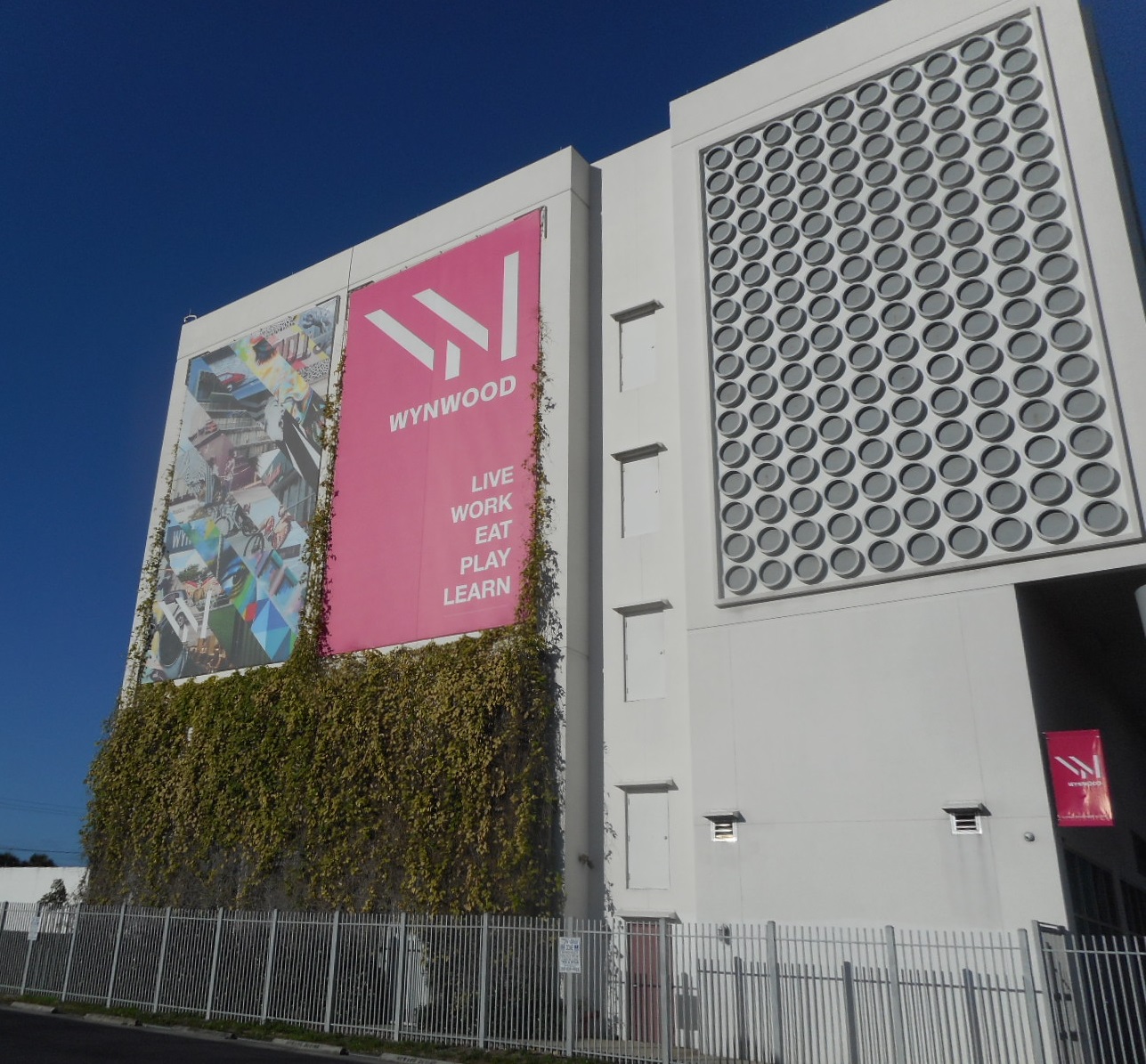
Wynwood: Miami's Open-Air Canvas
In 2009, developer Tony Goldman stood in front of a cluster of abandoned warehouses in one of Miami's most neglected neighborhoods and saw something no one else did -- a gallery without walls. Or rather, a gallery where the walls were the art. Goldman commissioned muralists from around the world to transform the blank facades of Wynwood's industrial buildings into the Wynwood Walls, an open-air exhibition that would turn a neighborhood known for its crime statistics into one known for its color. But Wynwood's story did not begin with Goldman's vision. It began with the hum of sewing machines.
Stitches, Salsa, and El Barrio
In the 1920s, Jewish textile manufacturers from New York migrated south and turned Wynwood into a thriving garment district, lining Northwest Fifth Avenue with factories and wholesale shops. The jobs they created pulled a new wave of immigrants: Puerto Rican families arriving from the island and from northeastern cities throughout the 1940s and 1950s. They brought their language, their food, and their culture, renaming the neighborhood Little San Juan -- or simply El Barrio. Puerto Rican-owned restaurants, shops, and markets filled the streets. The garment trade and the community it attracted left a mark on Wynwood's demographics that persists to this day, even as the neighborhood around it has transformed beyond recognition.
Warehouses to Galleries
By the early 2000s, the garment factories had largely shuttered, and Wynwood's warehouses sat empty. Artists, drawn by cheap rent and abundant square footage, began colonizing the abandoned buildings. Cafes and lounges followed. When the Midtown Miami development broke ground in 2005 on a former Florida East Coast Railway rail yard between North 29th and 36th Streets, the investment spotlight swung toward Wynwood. Goldman's Wynwood Walls, which opened in 2009, became the catalyst that accelerated everything. Curated by Goldman Global Arts, the outdoor exhibition of rotating street art turned Wynwood into a pilgrimage site for art lovers. Today the Wynwood Art District contains galleries, private collections like the Rubell Family Collection and the Margulies Collection at the Warehouse, and the Bakehouse Art Complex -- all housed in the same industrial bones that once sheltered sewing machines and loading docks.
Beyond the Murals
Wynwood is more than its painted walls. The Miami Fashion District, centered along Northwest Fifth Avenue, carries the neighborhood's original garment-trade DNA into the present, with clothing retailers and distributors operating alongside the galleries. In 2010, the abandoned Wynwood Free Trade Zone was converted into a film and television production studio, and the 2011 television reboot of Charlie's Angels shot scenes inside the old building. The Miami New Times relocated its headquarters to Wynwood in 2013. With a population of roughly 6,169 residents and a median household income around $49,258 as of 2020, Wynwood remains a small neighborhood by Miami standards -- but its cultural footprint dwarfs its census numbers.
Mosquitoes and Headlines
In the summer of 2016, Wynwood made national news for something other than art. The neighborhood became the epicenter of a Zika virus outbreak, the first location in the continental United States where the Centers for Disease Control and Prevention issued a travel warning advising pregnant women to stay away. The mixed-use nature of Wynwood -- industrial sites interspersed with residences and businesses -- made mosquito control especially difficult. By August, 21 locally transmitted cases had been confirmed, all within the Wynwood section. The CDC did not downgrade Wynwood from a red-zone active transmission area to a lower-risk yellow zone until December 9, 2016. The episode underscored how Wynwood's rapid transformation had not erased the vulnerabilities that come with a neighborhood in flux.
From the Air
Located at 25.804°N, 80.199°W, Wynwood sits north of downtown Miami between I-95 to the west and the Florida East Coast Railway corridor to the east. From the air, the neighborhood is a compact grid of low-rise warehouses and converted industrial buildings, distinguishable from the surrounding residential blocks by its flat rooftops and lack of high-rise development. The Midtown Miami towers along the northern edge provide a useful visual reference. Miami International Airport (KMIA) is approximately 5 nautical miles west. Miami-Opa Locka Executive Airport (KOPF) lies about 8 nautical miles north-northwest. At 1,500-3,000 feet AGL, the colorful murals on building facades may be visible on clear days, particularly along Northwest 2nd Avenue.