Yellowknife: The Aurora Capital of North America
Yellowknife sits beneath the auroral oval - the ring-shaped zone around the magnetic pole where charged particles from the sun collide with Earth's atmosphere and create the northern lights. The city sees aurora on approximately 240 nights per year, more than almost anywhere else accessible by road. The location is fortunate: Yellowknife is flat (good viewing horizons), dry (clear skies), and dark (limited light pollution). It's also cold - winter temperatures reach -40°F - but that's when aurora viewing is best. Japanese tourists particularly favor Yellowknife, drawn by a legend that children conceived under the northern lights will be blessed with good fortune. The city has embraced its cosmic inheritance.
The Aurora
The northern lights occur when solar wind - streams of charged particles from the sun - interacts with Earth's magnetic field. The particles are channeled toward the poles, where they collide with atmospheric gases and emit light. Green is most common (oxygen at lower altitudes); red, blue, and purple appear at higher altitudes or during stronger events. The aurora moves, pulses, and occasionally explodes in activity. Yellowknife's position beneath the auroral oval makes displays routine; visitors staying multiple nights almost always see something. The intensity varies with solar activity, peaking during solar maximum cycles.
The Tourism
Aurora tourism has transformed Yellowknife's winter economy. Japanese visitors dominate - the belief that aurora-conceived children are lucky draws honeymooners seeking cosmic assistance. Tour operators run nightly viewing trips to locations outside city limits where darkness is complete. Heated viewing shelters, photographic equipment, and guides who know how to position cameras make the experience accessible. Peak season runs from mid-November through April; September and October offer aurora combined with autumn color. The tourism has made Yellowknife an improbable international destination.
The City
Yellowknife exists because of gold. Mining established the settlement in 1934; it became the Northwest Territories capital in 1967. The population of roughly 20,000 is the largest in the NWT, serving as the administrative and service center for the region. The city has two distinct areas: the planned New Town (modern, gridded) and the irregular Old Town on the original townsite. Great Slave Lake - the deepest lake in North America - forms the city's southern boundary. The economy runs on government, diamond mining, and increasingly on tourists who come to watch the sky.
The Experience
Watching aurora from Yellowknife is unlike anywhere else accessible. The displays can fill the entire sky, horizon to horizon, shifting and reforming for hours. Strong events produce the 'coronal' effect - aurora appearing directly overhead, radiating outward like a crown. Photography is popular but challenging; the best viewing is often simply standing in the cold darkness watching light paint the sky. The experience is genuinely moving - cosmic forces made visible, beauty emerging from radiation. The cold is extreme; proper clothing is essential. But the sky justifies the discomfort.
Visiting Yellowknife
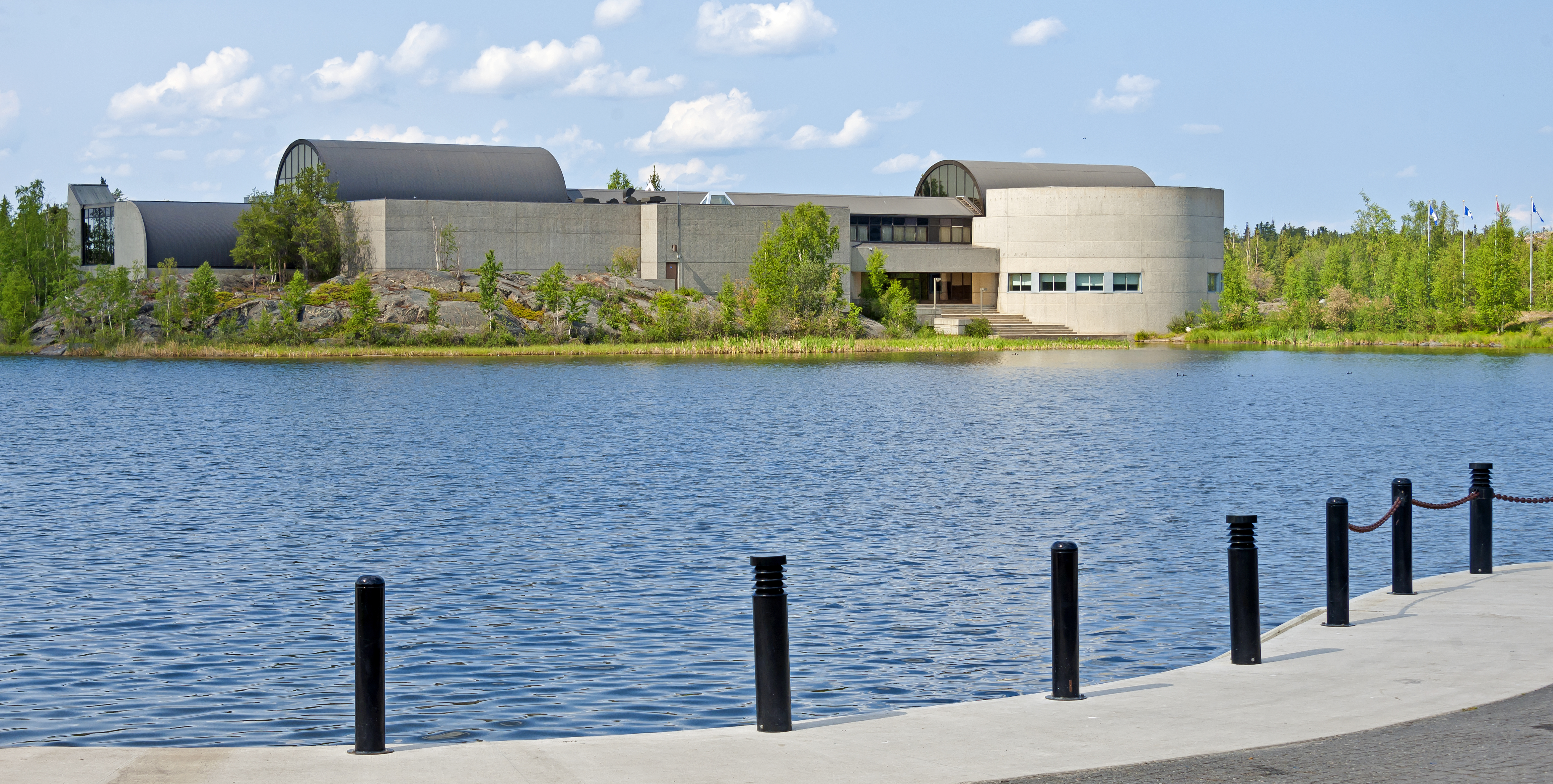
Yellowknife is located on the north shore of Great Slave Lake in the Northwest Territories, accessible by air from Edmonton, Calgary, and other Canadian cities, or by road via Highway 3 from the south. Peak aurora season is mid-November through April; book tours in advance. Temperatures can reach -40°F; proper cold-weather gear is essential (many tour operators provide extreme-cold suits). Aurora tours typically run from 10 PM to 2 AM. The city has hotels, restaurants, and services. The Prince of Wales Northern Heritage Centre interprets Indigenous and settler history. Summer offers midnight sun instead of aurora. Allow 3-4 nights for best chance of clear skies and strong displays.
From the Air
Located at 62.45°N, 114.37°W on the north shore of Great Slave Lake in the Northwest Territories. From altitude, Yellowknife appears as a small city on the lake's edge - the compact urban area distinct against the boreal forest and subarctic terrain. Great Slave Lake stretches to the south and east, one of the deepest and largest lakes in North America. The surrounding landscape is typical Canadian Shield: rock outcrops, lakes, stunted forest. The aurora that makes the city famous is not visible during daytime flights but transforms the view on clear winter nights - curtains of green light draping across the sky above the frozen landscape.