Yosemite: The Valley That Invented Wilderness
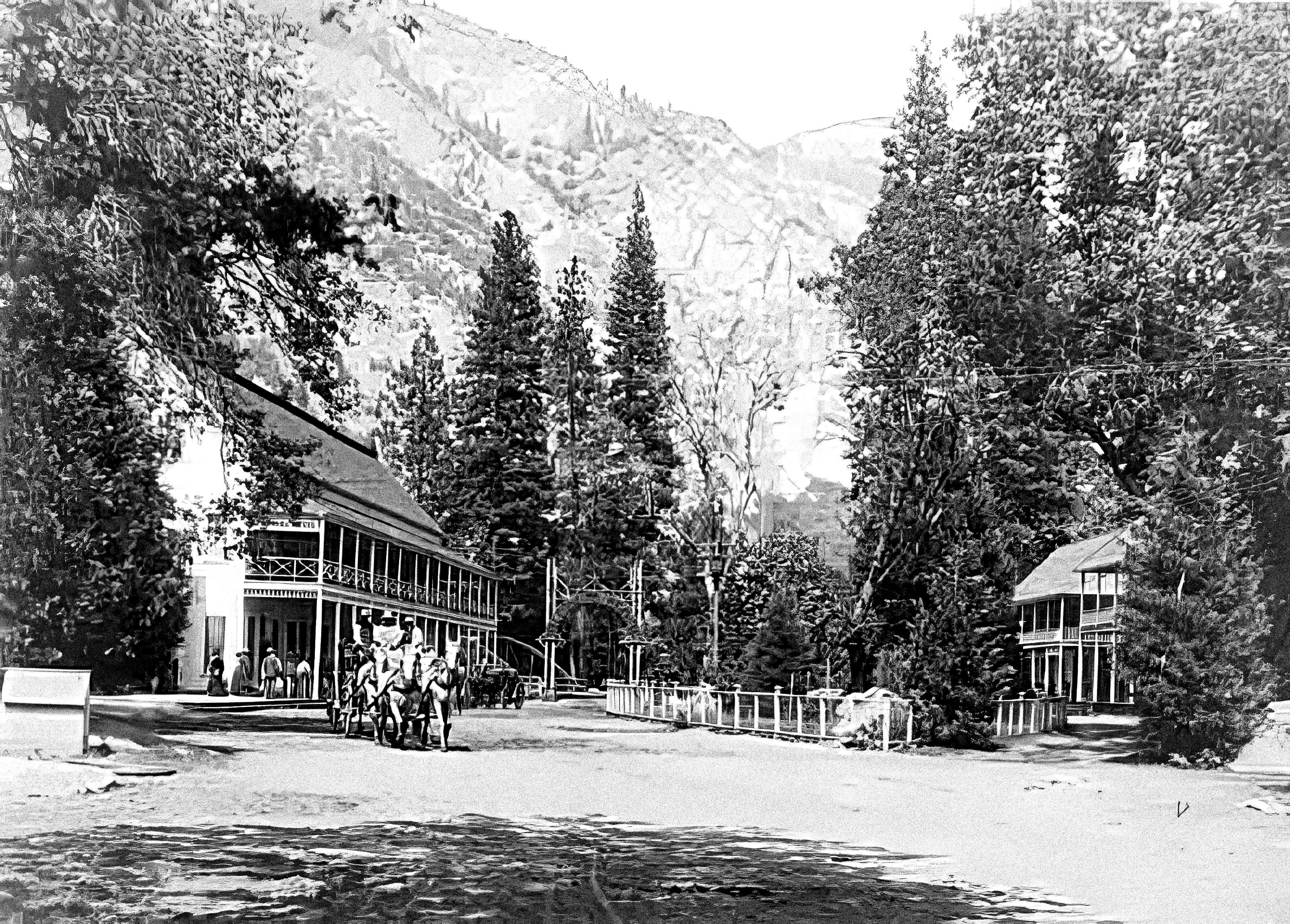
The first European American visitors to Yosemite Valley in 1851 were a military expedition pursuing indigenous peoples. They came to fight but stopped to stare. The granite walls rising 3,000 feet on either side, the waterfalls plunging from hanging valleys, the meadows and forests framed by impossible geology - nothing had prepared them for this. Word spread. Within years, visitors were making the difficult journey to see what they'd heard described. Within decades, the valley had inspired Lincoln to sign the first protected wilderness in American history, had driven John Muir to found the Sierra Club, and had become a symbol of wilderness worth saving. Yosemite didn't just preserve nature; it invented the idea that preserving nature mattered.
The Valley
Yosemite Valley is a U-shaped trough carved by glaciers over millions of years. The same granite that resists erosion forms the towering walls; the softer rocks that once filled the valley were scraped away by ice. El Capitan rises 3,000 feet from the valley floor - the world's largest granite monolith. Half Dome's distinctive shape results from glacial sheeting and exfoliation. Bridalveil Fall and Yosemite Falls plunge from hanging valleys carved by smaller glaciers that couldn't cut as deep as the main trunk. The valley is seven miles long, one mile wide, and surrounded by cliffs that make it feel like a cathedral. The geology creates the drama; the plants and animals fill a stage the ice built.
The Conservation
In 1864, Abraham Lincoln signed the Yosemite Grant, ceding the valley to California for 'public use, resort, and recreation' - the first time any government anywhere protected wilderness simply because it was beautiful. John Muir arrived in 1868 and never spiritually left. His writings about Yosemite's transcendent power influenced Theodore Roosevelt, who visited Muir in the valley in 1903 and emerged committed to conservation. The park's boundaries expanded over decades as Muir and others fought to protect the surrounding mountains. Yosemite became the template: wilderness as national treasure, protected by law, open to all. The conservation movement has earlier roots, but Yosemite made protection mainstream.
The Climbing
El Capitan is the center of the rock climbing universe. First climbed in 1958, the wall has since seen thousands of ascents by routes of increasing difficulty. Speed climbers have raced up The Nose in under two hours. Free climbers have eliminated all artificial aid. Tommy Caldwell and Kevin Jorgeson's 2015 free climb of the Dawn Wall - a route deemed impossible - made global news. The big wall climbing community that developed in Yosemite spread techniques and ethics worldwide. Camp 4, the climbers' campground, was designated a National Historic Place in 2003. The valley that inspired conservation also invented a sport and culture.
The Photography
Ansel Adams arrived in 1916 and spent his life making Yosemite's granite and light into art. His photographs - Moonrise over Half Dome, Clearing Winter Storm, the whole Sierra Nevada portfolio - shaped how Americans see wilderness. The black and white images stripped away color to reveal form: the granite's texture, the clouds' drama, the way light fell on waterfalls. Adams's technical mastery and spiritual vision merged in images that argued for preservation without words. Other photographers followed; Yosemite became the most photographed park in America. The visual culture that Adams created continues to draw millions who want to see what he saw.
Visiting Yosemite
Yosemite National Park is located in California's Sierra Nevada, approximately 175 miles east of San Francisco. Park entry requires a reservation during peak season (spring through fall); book well in advance. Yosemite Valley offers campgrounds, lodging, and services; reservations fill months ahead. The valley floor is accessible year-round; Tioga Road and Glacier Point Road close in winter. The free shuttle system reduces valley congestion. Popular trails (Half Dome, Yosemite Falls) require early starts; permits are needed for Half Dome's cables. The Ahwahnee Hotel offers historic luxury. Allow multiple days; the valley alone deserves two, and Tuolumne Meadows, Mariposa Grove, and Glacier Point merit additional time. The experience of walking beneath walls that inspired a nation justifies the planning required.
From the Air
Located at 37.74°N, 119.57°W in the Sierra Nevada of central California. From altitude, Yosemite Valley appears as a distinctive U-shaped notch in the granite Sierra, its flat floor and vertical walls unmistakable. El Capitan and Half Dome are identifiable landmarks. The Merced River traces the valley floor, feeding into the reservoir behind O'Shaughnessy Dam in Hetch Hetchy. Tuolumne Meadows lies at higher elevation to the northeast. The western Sierra foothills descend toward the Central Valley; the eastern escarpment drops to the Owens Valley. The park's boundary separates protected granite from surrounding national forest. From altitude, the scale of the Sierra is apparent - but the valley's drama requires being in it, beneath the walls, where the stone rises until the neck aches from looking up.