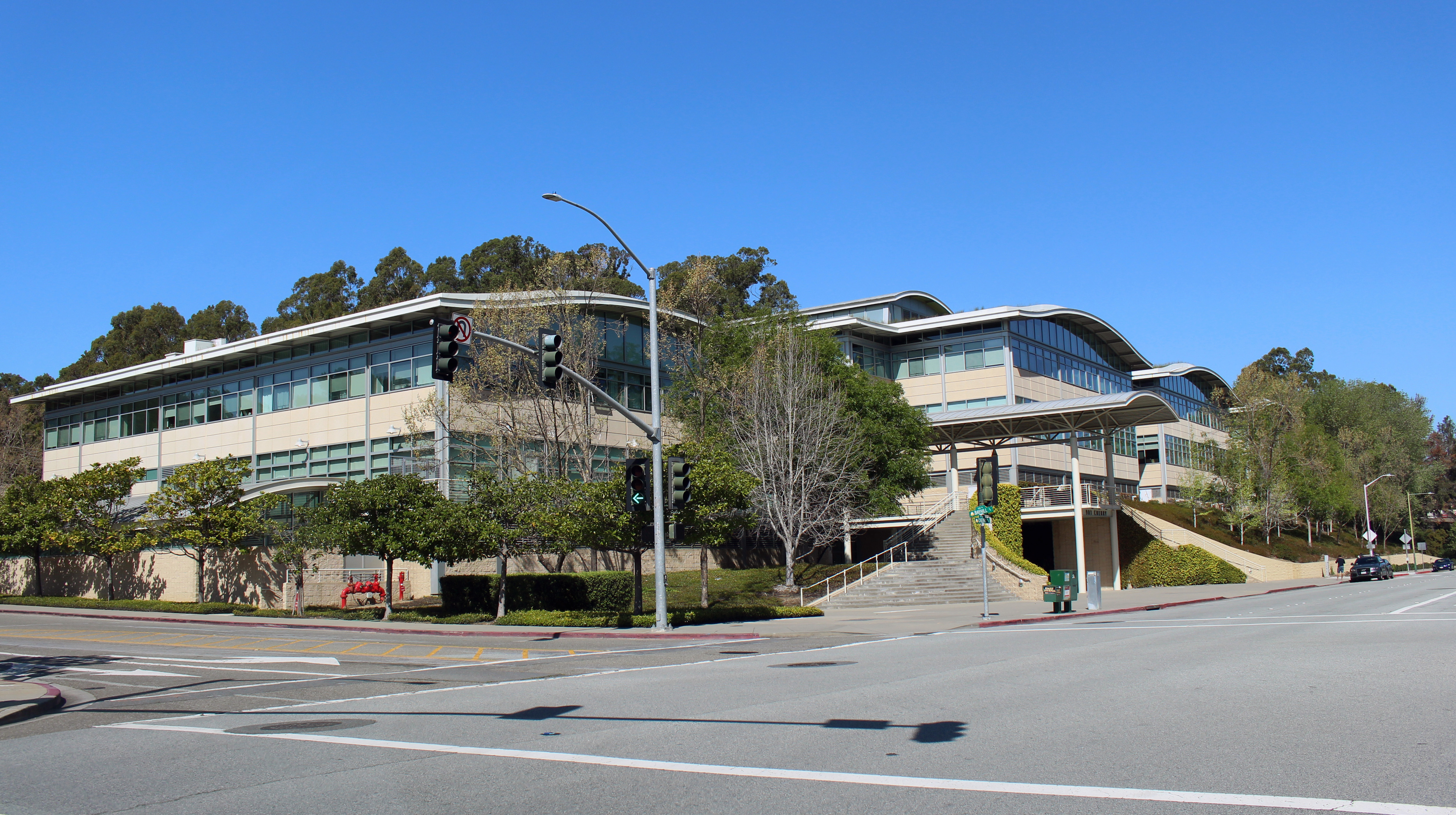
YouTube Headquarters Shooting
The shooting happened in the open-air courtyard of a building designed to feel like a college campus. On April 3, 2018, Nasim Najafi Aghdam entered the YouTube headquarters complex in San Bruno, California, and opened fire with a handgun, wounding three employees before turning the gun on herself. The attack shocked the Bay Area not only because of its violence but because of its target: a technology company campus, the kind of open, airy workspace that Silicon Valley had built as a symbol of its distinctive corporate culture. The courtyard where employees had been eating lunch became a crime scene.
The Attack
Aghdam, who had been posting increasingly agitated videos about what she perceived as YouTube's censorship and demonetization of her content, drove from Southern California to the Bay Area. She opened fire in the headquarters' outdoor dining area during lunchtime, hitting three people before dying of a self-inflicted gunshot wound. The wounded employees survived. The attack lasted only minutes before police from the San Bruno Police Department arrived and secured the building. Hundreds of YouTube employees were evacuated, many of them describing scenes of confusion and panic as they fled through a campus that had no security gates or barriers between its buildings and the public street.
Open Campuses, Open Questions
The shooting raised immediate questions about security at Silicon Valley's signature open-plan campuses. Technology companies had deliberately designed their workplaces to be welcoming, accessible spaces that blurred the boundary between indoor and outdoor, work and leisure. YouTube's San Bruno campus reflected this ethos: courtyards, cafeterias, and common areas that were meant to foster collaboration and creativity. The attack demonstrated the vulnerability inherent in that design philosophy. In the weeks that followed, technology companies across the Bay Area reviewed and tightened their physical security, adding barriers, access controls, and security personnel that altered the open atmosphere these campuses had cultivated.
The Platform and Its Discontents
Aghdam's grievance -- that YouTube had restricted and demonetized her video content -- pointed to a tension that has only intensified since 2018. Content creators who build audiences and livelihoods on platforms they do not control are vulnerable to algorithmic changes, policy shifts, and moderation decisions they cannot appeal. This does not justify violence, and the vast majority of discontented creators express their frustration through legal and nonviolent means. But the shooting forced a public reckoning with the power that platform companies exercise over the people who create content for them -- and the intensity of emotion that power can generate when it is exercised in ways that feel arbitrary or punitive.
From the Air
The YouTube headquarters (now part of Google) is at 37.63N, -122.43W in San Bruno, California, adjacent to the San Bruno BART station and approximately 3nm northwest of KSFO. The campus buildings are visible from the air in the commercial corridor along Bayhill Drive.