Yunomine Onsen: The Seven-Color Bath at the Gate of the Gods
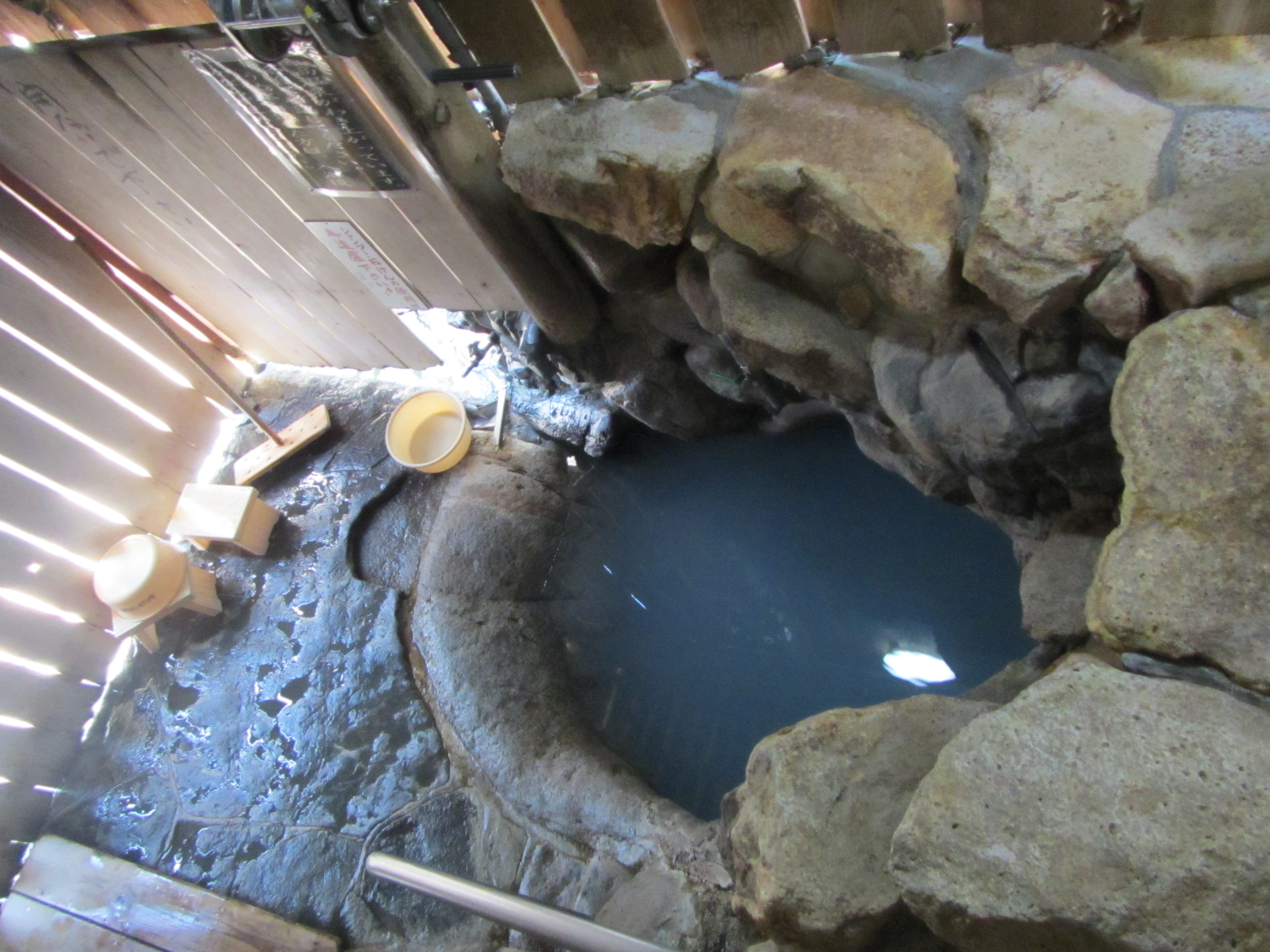
The water in the tiny stone-lined tub changes color seven times a day. Nobody can fully explain why. The sulfur-rich spring that feeds the Tsuboyu bath at Yunomine Onsen emerges from the earth at 90 degrees Celsius, and as it cools and minerals shift in the light, the water cycles through shades of milky white, pale blue, and green. Two people can fit inside the rough wooden cabin that shelters this bath beside the Yunotani River. That is enough. For over a thousand years, pilgrims walking the Kumano Kodo have stopped in this narrow valley in southern Wakayama Prefecture to soak in these waters before presenting themselves at the great Kumano Hongu Taisha shrine. The bath is a rite of passage, not a luxury -- a place where the body is made clean enough to approach the gods.
Eighteen Centuries in a Valley
Yunomine Onsen is considered one of the oldest thermal spring systems in Japan, discovered roughly 1,800 years ago. The springs sit in a deep, narrow valley in the Kumano mountain range, along the Nakahechi Trail of the Kumano Kodo pilgrimage route. For more than a millennium, the ritual was the same: pilgrims would soak where sulfur-rich hot spring water flowed into the cool waters of the Yunotani River, letting the minerals draw out impurities before walking the final stretch to pray at Kumano Hongu Taisha. The Yunomine Public Bathhouse stands beside the Toko-ji temple, where a stone sculpture memorializes the monk Genpo. Nearby, locals still use the scalding spring water for cooking -- dropping eggs and vegetables into the natural vents to produce onsen tamago, eggs slow-cooked in volcanic heat until the whites turn silky and the yolks go custard-soft.
The Legend of Oguri Hangan
The most famous story attached to Yunomine is over five hundred years old. Oguri Hangan, a nobleman from Hitachi Province, was poisoned by his father-in-law and left wasting from a terrible illness. Through the intervention of King Enma, he was returned to the living world as a starving ghost. His wife, Princess Terute, pulled his cart across the mountains to Yunomine Onsen. There, Oguri soaked in the Tsuboyu waters and was healed -- his body restored, the curse broken. The tale became one of Japan's most enduring narratives, retold in kabuki theater and joruri puppet performances for centuries. It was more than entertainment: the story offered hope to the desperately ill, promising that even a body given up for dead might be made whole again by these ancient waters.
The Only UNESCO Hot Spring on Earth
In 2004, UNESCO inscribed the Sacred Sites and Pilgrimage Routes in the Kii Mountain Range as a World Heritage site, and with that designation, the Tsuboyu bath became the only hot spring in the world to carry UNESCO recognition. The distinction is not merely honorary. The Tsuboyu sits exactly where pilgrims have bathed for centuries -- a natural stone pool enclosed by a small wooden hut beside the river, reserved in thirty-minute private sessions. The water's temperature and mineral composition vary with the season, and the famous color changes depend on conditions that shift hour to hour. Bathing here is not a spa experience in any modern sense. The cabin is rough, the stone floor uneven, the smell of sulfur inescapable. What makes it extraordinary is context: you are soaking in the same waters, in the same spot, that has prepared human beings to face the sacred for longer than most civilizations have existed.
A Village Built on Steam
Yunomine is less a town than a ribbon of traditional ryokan inns and bathhouses strung along the river in the valley floor. Steam drifts from vents in the ground. The sulfur, sodium, and hydrogen carbonate content of the springs gives the air a mineral tang that clings to everything. Pilgrims still pass through on the Kumano Kodo, and the village accommodates them as it always has -- with hot water, simple meals, and quiet rooms. The scale is intimate: no high-rise hotels, no neon signs, no theme park attractions. The mountains press close on either side, and the valley is deep enough that afternoon sunlight disappears early. What remains is the sound of the river, the hiss of steam, and the knowledge that this narrow cut in the Kii Mountains has been a place of healing since before written records began.
From the Air
Located at 33.83N, 135.76E in a narrow valley of the Kumano mountain range in southern Wakayama Prefecture, Japan. The village is extremely small and set deep in mountainous terrain, making it difficult to spot from high altitude. Look for the Yunotani River valley running through densely forested mountains. Nearest airport is Nanki-Shirahama (RJBD), approximately 40 km to the southwest along the coast. Kumano Hongu Taisha shrine lies a few kilometers to the east. The Kii Peninsula coastline and the broader Kumano river system provide useful navigation references. Best viewed at low altitude following river valleys, as the terrain is rugged and heavily forested.