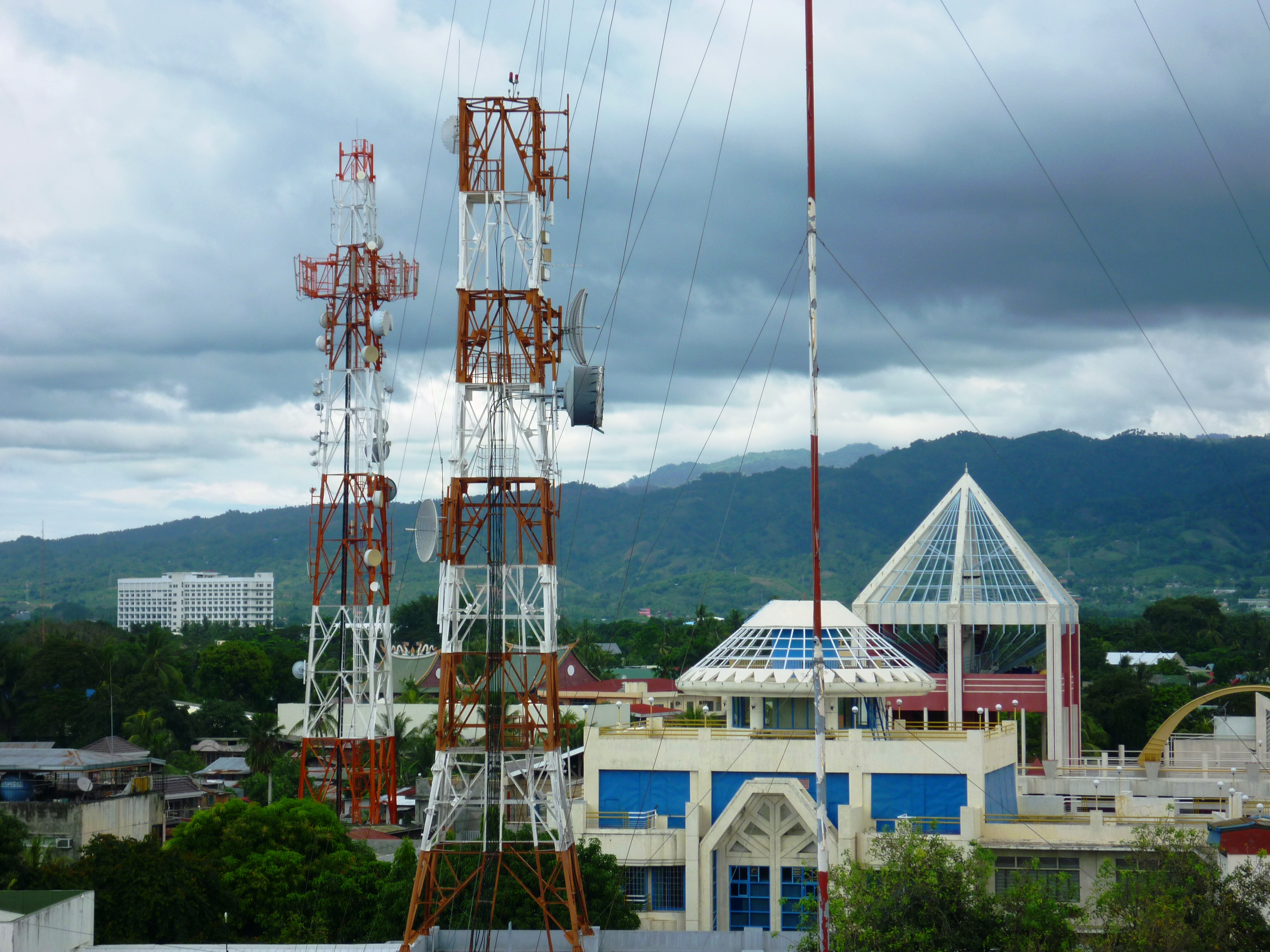
Zamboanga City
The word Zamboanga comes from the Sinama term samboangan, meaning "mooring place" -- a name that reveals what the city has always been. Long before the Spanish arrived, the peninsula's natural harbors drew seafarers, traders, and settlers from across Southeast Asia. The Subanen people had lived here since the 12th or 13th century, alongside the Yakan, the Balanguingui, and other Sama-Bajau peoples. Today, with a population exceeding one million, Zamboanga City is the second-most populous city in Mindanao and the commercial center of its peninsula. It is a place where Roman Catholic cathedrals stand within walking distance of mosques, where residents speak a creole language born from colonial-era fortress building, and where the produce of Mindanao's fisheries, farms, and forests passes through on its way to the world.
A Fortress That Became a Language
In 1635, Spanish officers and soldiers, along with laborers from Cavite, Cebu, Bohol, and Panay, began building Fort Pilar on Zamboanga's waterfront to defend against Moro raiders. The workforce also included Mexicans and Peruvians serving under Governor Sebastian Hurtado de Corcuera, the former governor of Panama. This unlikely mix of Spanish, Latin American, and Filipino workers needed a common tongue, and what emerged was a pidgin that evolved into Zamboangueno Chavacano -- a Spanish-based creole that remains the city's lingua franca. The fort was abandoned, rebuilt, besieged, and rebuilt again over centuries, but the language it spawned proved more durable than its walls.
Three Flags in Eighty Years
Zamboanga's modern political identity was forged in a compressed burst of upheaval. In May 1899, General Vicente Alvarez defeated the Spanish garrison and established the Republic of Zamboanga -- a diverse revolutionary government of Christians, Muslims, and Lumad. The republic lasted until 1903, when American colonization dissolved it. Under the Americans, Zamboanga became the capital of the Moro Province, hosting military governors including John J. Pershing. On October 12, 1936, the city received its charter under Commonwealth Act No. 39, and on February 26, 1937, it was formally inaugurated. Then came the Japanese, who captured the city in 1942 and turned it into a branch hub for human experimentation. The fierce battle to liberate Zamboanga on March 10-12, 1945, destroyed two-thirds of the city's buildings.
The Beacon of Democracy
Mayor Cesar Climaco earned Zamboanga the title "beacon of democracy in Mindanao" through his defiance of Ferdinand Marcos. Elected mayor in 1955, he went into exile after Marcos declared martial law in 1972, then returned in 1980 to win the mayoral post again. In 1984, Climaco was elected to the national parliament but refused to take his seat until he had finished his term as mayor -- a sustained protest against the dictatorship. On the morning of November 14, 1984, as he was returning to his office after overseeing the response to a downtown fire, a man approached from behind and shot him in the nape at point-blank range. His name is inscribed on the wall of the Bantayog ng mga Bayani, the Philippines' memorial to the martyrs and heroes of the democracy movement.
Where Two Faiths Share Ground
Nearly half of Zamboanga's population is Muslim, making it one of the most religiously mixed major cities in the Philippines. The Archdiocese of Zamboanga, the oldest Catholic diocese in Mindanao, governs from the Metropolitan Cathedral of the Immaculate Conception. Meanwhile, barangays like Campo Islam and Taluksangay are almost entirely Muslim, their communities rooted in historical migration from Sulu and Tawi-Tawi among the Tausug and Samal peoples. Sufi traditions remain vibrant, with active Naqshbandi and Shadhili congregations. The shared devotion to Our Lady of the Pillar at Fort Pilar's shrine -- venerated by both Christians and Muslims -- is perhaps the city's most remarkable spiritual phenomenon.
Mooring Place, Still
Zamboanga City accounts for one-third of the Zamboanga Peninsula's gross domestic product, with its economy the third largest in Mindanao. The port remains central to the city's identity, just as the original samboangan implied. Sardine canning, seaweed farming, rubber production, and the transit trade with Basilan, Sulu, and Tawi-Tawi drive the local economy. The city's land area of over 1,400 square kilometers includes 25 islands, mangrove forests, and coastlines that range from rocky to sandy. With a projected population of 1.2 million by 2028, Zamboanga is approaching metropolitan city status under national development classifications -- a new chapter for a place that has been reinventing itself since the first boat tied up to a mooring pole.
From the Air
Zamboanga City is at 6.904N, 122.076E on the southern tip of the Zamboanga Peninsula in western Mindanao. Zamboanga International Airport (RPMZ) sits on the northeastern edge of the urban area with a 2,610-meter runway. The city's irregular coastline, Fort Pilar at the waterfront, and the Santa Cruz Islands to the south are prominent visual landmarks. At higher altitudes, the Zamboanga Peninsula stretches northward with the Pasonanca watershed visible as dense green terrain. Basilan Island lies across the Basilan Strait to the south.