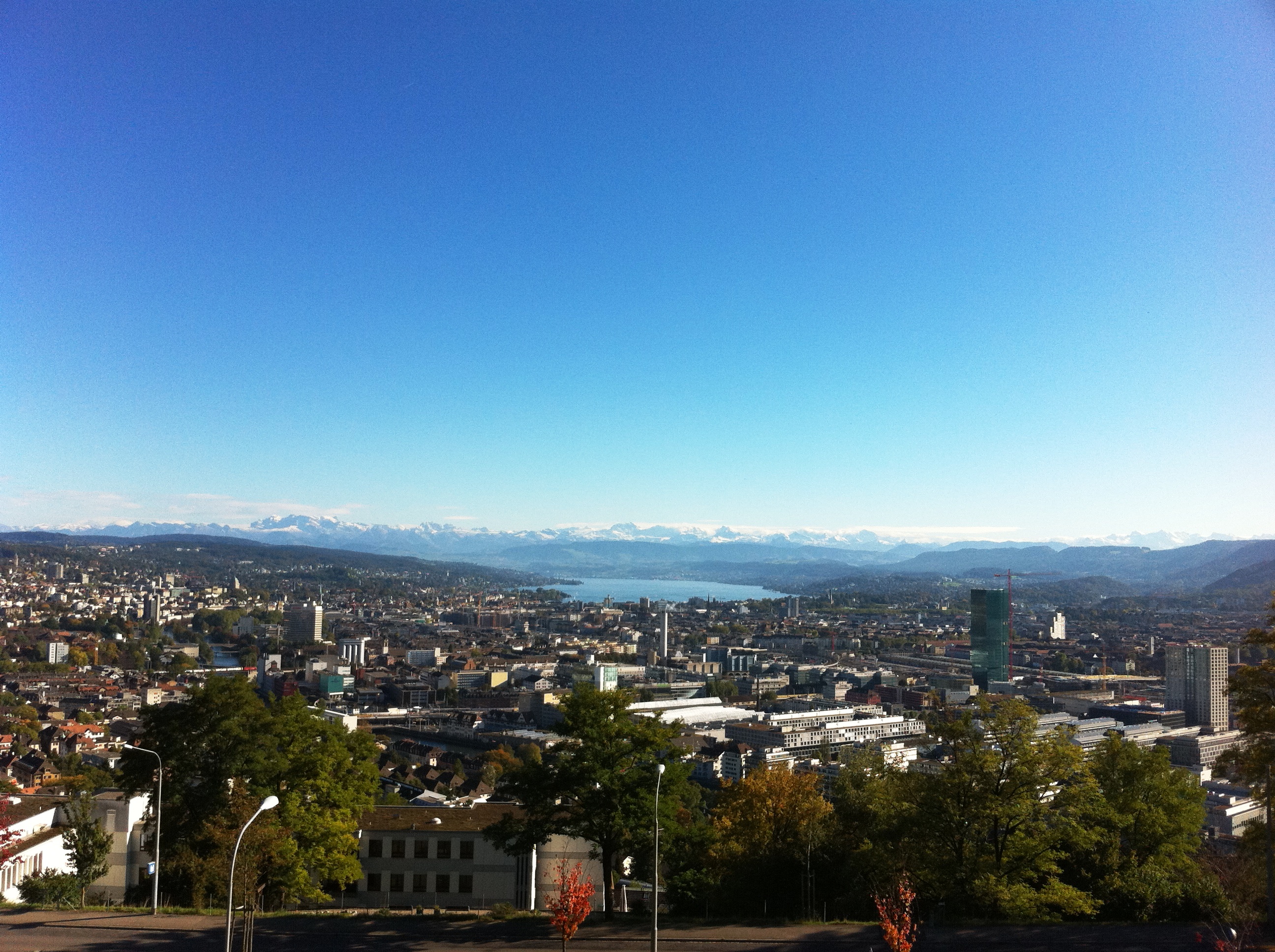
Zurich
Zurich is Switzerland's largest city but not its capital - that honor belongs to Bern, a political compromise that keeps any city from dominating. What Zurich dominates is money. The Bahnhofstrasse, running from the main station to the lake, is one of the world's most expensive shopping streets and one of its most important financial addresses. The banks that line it manage assets totaling trillions; the discretion they practice is legendary if increasingly challenged by international transparency requirements. Zurich holds 420,000 people in the city proper, 1.4 million in the metropolitan area, a population that is wealthy, orderly, and efficient in ways that visitors from messier cities find either impressive or oppressive. The medieval old town, the lake with its Alpine backdrop, the trams that run exactly on schedule - Zurich offers what Switzerland promises, concentrated into a city that works almost too well.
The Banking Capital
Zurich's financial industry manages over $3 trillion in assets through banks that range from UBS and Credit Suisse (now absorbed by UBS after its 2023 collapse) to private banks that accept only the wealthiest clients. The tradition began in the 19th century when Swiss neutrality and stability attracted deposits that other countries' conflicts threatened; the reputation for discretion added value that higher interest rates elsewhere could not match.
The banking culture shapes the city. The understated facades hide fortunes; the restaurants that serve power lunches cost what a week's dining might elsewhere; the real estate prices reflect money's preference for stability over excitement. Zurich is not flashy - Swiss taste forbids it - but the wealth is visible to those who know what to look for: the watches, the cars, the address that only money can buy.
The Old Town
The Altstadt - old town - spreads along both banks of the Limmat River, medieval lanes climbing the hills on either side. The Grossmunster, where Zwingli launched Zurich's Reformation in 1519, anchors the eastern bank; the Fraumunster with its Chagall windows sits opposite. The guild houses that once governed the city now serve as restaurants and museums, their facades preserved, their functions transformed.
The old town is clean - improbably, impossibly clean by the standards of cities that still struggle with litter. The pedestrian zones, the painted facades, the lack of graffiti except in designated areas - Zurich maintains its heritage with the same attention to detail it applies to banking. The result is a city that looks almost staged, too perfect to be real, though the perfection is merely Swiss.
The Lake and Alps
Zurichsee extends 40 kilometers from the city toward the Alps, its waters clean enough for swimming, its shores lined with parks and promenades that fill on summer evenings. The view from the city encompasses lake and mountains, a geography that makes Zurich's prosperity seem almost earned - who could look at such beauty without wanting to preserve it?
The Alps visible from Zurich are not the highest or most famous, but their presence shapes the city's character. The mountains that protected Swiss independence are visible from every elevated point; the skiing and hiking they offer are within easy reach. Zurichers escape to the mountains on weekends, returning to a city that offers similar tranquility at lower altitude.
The Efficiency
Zurich regularly ranks among the world's most livable cities, the assessment based on criteria that matter to the wealthy: safety, healthcare, public transit, cleanliness, cultural offerings. The trams and trains run on time to an extent that seems pathological; the streets are swept; the services function. The efficiency is not accidental but the result of a political culture that values order and funds the infrastructure to achieve it.
The efficiency has critics. The expense that high standards require excludes those who cannot afford them; the conformity that cleanliness demands suppresses expressions that other cities tolerate. Zurich works for those who can pay its prices and meet its expectations; whether it would work for others is a question the city has never needed to answer.
The Dada Legacy
The Cabaret Voltaire on Spiegelgasse was the birthplace of Dada, the art movement launched in 1916 by refugees from World War I's madness. Hugo Ball and Emmy Hennings, Tristan Tzara and Hans Arp - they invented an anti-art in a city that represented everything art was supposed to oppose: order, wealth, neutrality while others died. The irony that Dada was born in Zurich, of all places, was part of the point.
The Cabaret Voltaire is now a bar and performance space, its history commemorated in ways that Dada would have mocked. The movement that denied meaning now has museum exhibitions and academic conferences; the city that hosted its birth absorbed it into cultural heritage. Zurich can digest even its critics, turning rebellion into tourist attraction.
From the Air
Zurich (47.38N, 8.54E) lies at the northern end of Lake Zurich, where the Limmat River exits. Zurich Airport (LSZH/ZRH) is located 13km north of the city center with three runways: 16/34 (3,700m), 10/28 (3,300m), and 14/32 (2,500m). Lake Zurich extends south toward the Alps. The old town straddles the Limmat at the lake outlet. The Grossmunster twin towers are identifiable. The Alps are visible to the south on clear days. Weather is continental - warm summers, cold winters. Fog is common in autumn and winter, particularly affecting morning operations. Snow can affect winter operations.