Zzyzx: The Last Word in American Place Names
Curtis Howe Springer wanted a name that would stand out. In 1944, the radio evangelist claimed a mineral spring in the Mojave Desert and needed something memorable for his health resort. He invented 'Zzyzx' - pronouncing it 'ZYE-zix' - designed to be the last word in any dictionary or gazetteer. The name had no meaning, no etymology, no history. It was pure marketing. Springer built his Zzyzx Mineral Springs and Health Spa on federal land he didn't own, broadcasting promises of miracle cures to radio audiences nationwide. He sold potions, prescribed bogus treatments, and got away with it for thirty years before the government finally evicted him. The name remains on maps: the last word, literally.
The Preacher
Curtis Springer was a hustler with a microphone. Born in 1896, he traveled America as a radio evangelist, faith healer, and self-proclaimed doctor (he had no medical credentials). During the Depression, he broadcast from border stations in Mexico, beyond FCC regulation, selling patent medicines and religious fervor. After World War II, he claimed 12,000 acres of federal desert land, filed mining claims as a fig leaf of legality, and began building. The Zzyzx Mineral Springs and Health Spa would become his masterpiece - a place where the faithful could heal their bodies while funding his empire.
The Spa
Springer built an impressive compound: a 60-room hotel, a chapel, a restaurant, a boulevard lined with his biblical broadcasts, and the mineral baths at the center of everything. Guests paid to soak in the alkaline springs and purchase Springer's remedies - 'Antedeluvian Tea,' 'Mo-Hair' hair restorer, and various tonics with no proven medical value. He claimed to cure cancer, arthritis, and whatever else ailed his followers. The guests were mostly elderly, mostly believing, mostly grateful for attention even if the cures were fake. Zzyzx operated from 1944 to 1974, a desert oasis of false hope.
The Eviction
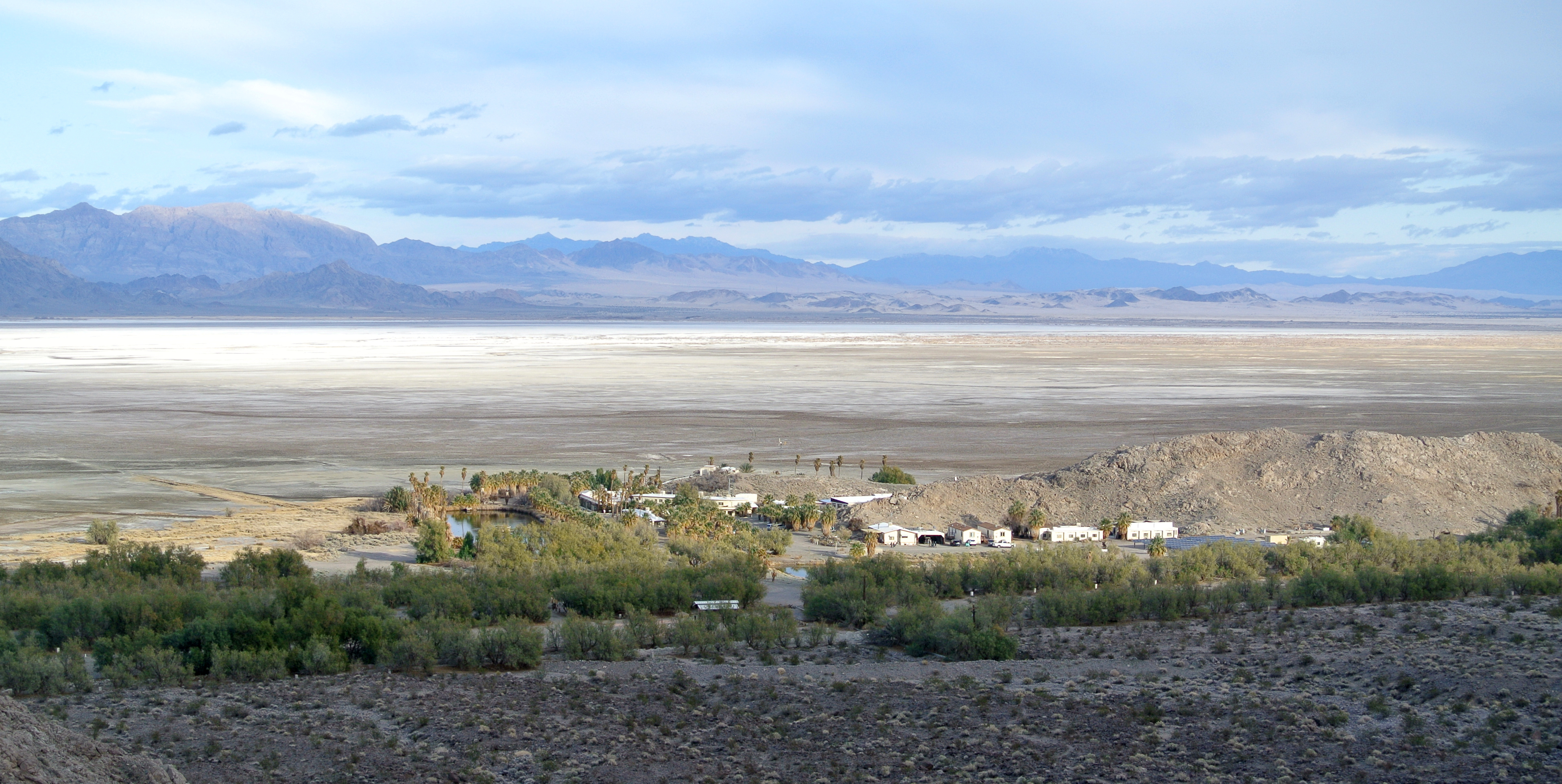
The federal government had tolerated Springer's occupation for decades, but eventually, the Bureau of Land Management decided enough was enough. In 1974, authorities evicted him - he was 78 years old and had spent thirty years building on land he never legally owned. He faced charges of squatting and selling misbranded products. The spa closed. Springer died in 1986, still bitter about losing his desert kingdom. The facilities passed to the California State University system, which now operates them as the Desert Studies Center. The springs still flow. The cures are no longer promised.
The Name
Zzyzx appears on maps, exit signs, and GPS systems - the last alphabetized place name in America. Springer designed it for exactly this distinction. The pronunciation he invented ('ZYE-zix') is arbitrary; there's no correct way to say a made-up word. The name draws visitors who stop just to photograph the exit sign off Interstate 15. It's the only lasting thing Springer created - not the spa, not the cures, not the radio ministry, but a string of letters that will anchor the bottom of every American gazetteer until someone invents something with more Z's.
Visiting Zzyzx
Zzyzx is located off Interstate 15 in the Mojave Desert, roughly 60 miles northeast of Barstow and 60 miles southwest of Las Vegas. Exit at Zzyzx Road and follow the paved road 4 miles to the Desert Studies Center. The facility is primarily a research station; public access is limited, though visitors can stop briefly. The mineral springs, historic buildings, and Soda Dry Lake are visible. No services are available; bring water and fuel. Baker (home of the world's tallest thermometer) is the nearest town. The drive is worthwhile for the exit sign alone - one of the most photographed road signs in California. The desert views are stark and beautiful.
From the Air
Located at 35.14°N, 116.10°W in the Mojave Desert of southeastern California. From altitude, the Zzyzx area appears as a cluster of buildings at the edge of Soda Dry Lake - a white playa contrasting with brown desert terrain. Interstate 15 is visible to the northeast, carrying traffic between Los Angeles and Las Vegas. The Desert Studies Center buildings are small but identifiable. The surrounding landscape is classic Mojave: creosote flats, dry washes, distant mountain ranges. The name's fame far exceeds the site's visual prominence - from the air, Zzyzx looks like any other desert outpost, the alphabetical distinction invisible to passing aircraft.