
2019 Virginia Beach shooting
Friday, May 31, 2019. Building 2 of the Virginia Beach Municipal Center, in the Princess Anne area of the city. The renovations underway in the building meant that when the first shots started, some of the people inside thought it was a nail gun. The shooter was a forty-year-old engineer in the city's public utilities department named DeWayne Craddock, who that morning had emailed his resignation to management and then driven to work armed. He killed twelve people, wounded four others, hit a responding police officer in his ballistic vest, and died in a prolonged exchange of gunfire with the officers who reached him. It was the second-deadliest workplace shooting in U.S. history. It is the deadliest mass shooting in Virginia since the one at Virginia Tech in 2007. The names of the twelve who died were these:
The Twelve
Laquita C. Brown, a right-of-way agent in public works, had worked for the city for four and a half years. Tara Welch Gallagher, an engineer in public works, had been with the city for six years. Mary Louise Gayle, a right-of-way agent in public works, had given the city twenty-four years. Alexander Mikhail Gusev, a right-of-way agent in public works, had been there for nine. Katherine A. Nixon, an engineer in public utilities, had worked for the city for ten years. Richard H. Nettleton, an engineer in public utilities, had served for twenty-eight years. Christopher Kelly Rapp, an engineer in public works, had been hired eleven months earlier. Ryan Keith Cox, an account clerk in public utilities, had worked for the city for twelve and a half years. Joshua Hardy, an engineering technician in public utilities, had been there for four and a half. Michelle Missy Langer, an administrative assistant in public utilities, had given the city twelve years. Robert Bobby Williams, a special projects coordinator in public utilities, had been with the city for forty-one years - longer than the killer had been alive. Herbert Bert Snelling, a contractor, was in the building only to pull a permit.
The Day Itself
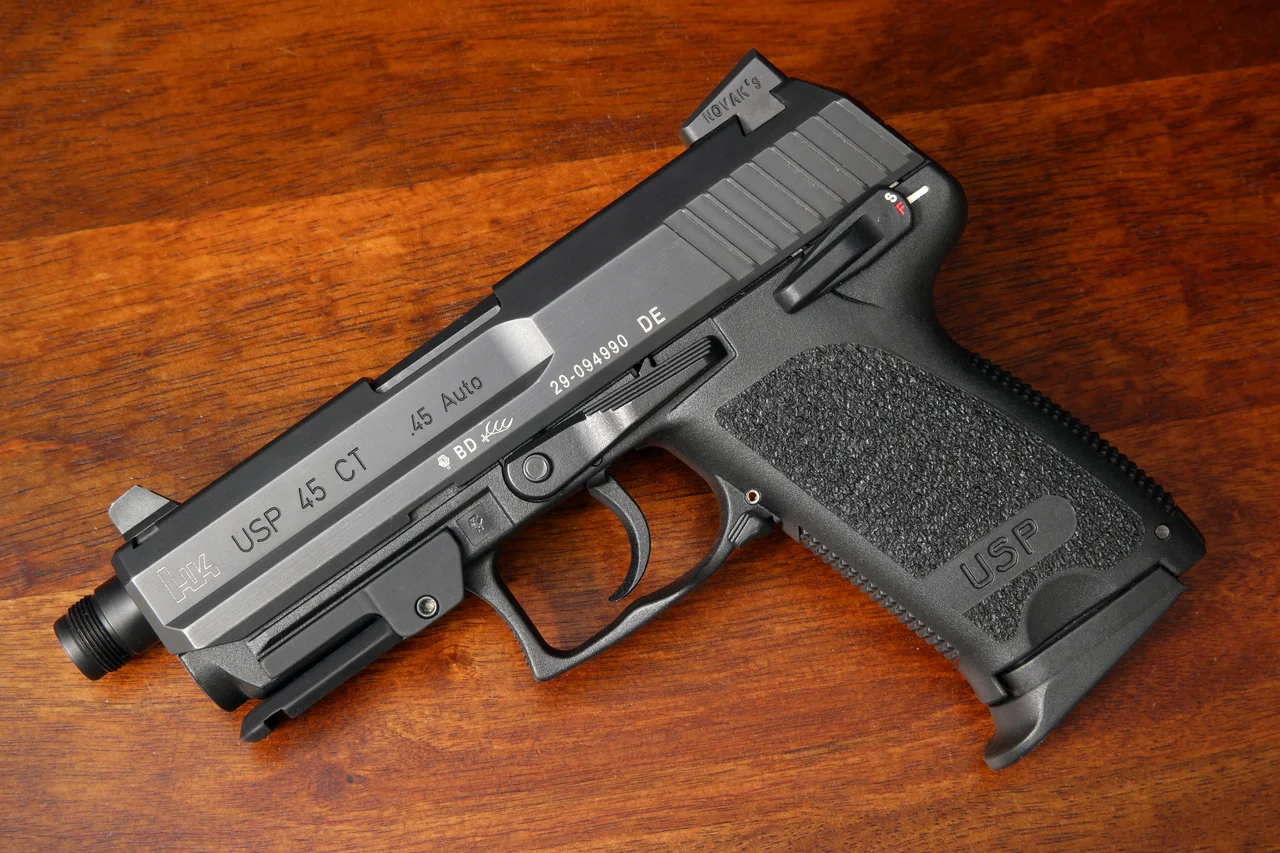
Craddock shot a woman in a car in the parking lot of Building 2 first, then one person on the steps, before entering the building and moving through all three floors. He had two semi-automatic .45 pistols - a Glock 21 and an H&K USP Compact Tactical with a suppressor - and multiple extended magazines. He fired indiscriminately. There was no immediate sign that he was targeting anyone in particular. The combined years of service of the eleven city employees he killed added up to about 150 - a measurement that does no real work in describing what was lost, but somehow keeps showing up because it is hard to find any other measurement that fits. The police response was slowed by the building's electronic security doors, which required a badge to open. The FBI, the ATF, and Homeland Security joined the local response. The active-shooter situation was confirmed by city email at 4:22 in the afternoon.
Ryan Cox
One detail from that afternoon: Ryan Keith Cox, the account clerk, helped move colleagues into an office and barricaded the door to keep the shooter out. He was killed when he went back into the hallway to help more people get to safety. A bass-baritone singer in his church choir, Cox was thirty years old. The day after the shooting, the gospel song he had sung at services - a setting of the words I'm here for a reason - circulated among people who had known him. The Wikipedia article that catalogs the facts of that day does not say his name. A NPR account of the survivors does. The pattern of which names get carried forward, in events like these, is something to notice.
The Building
Building 2 was a working municipal office. Engineers worked there. The people designing the water system for the city of Virginia Beach worked there. People came in to get permits and to do business with their local government. Six of the eleven employees who were killed worked alongside their killer in the public utilities department. He had a security badge because the city had allowed him to resign in good standing - the city manager said afterward that there were no disciplinary issues open at the time. In the days before, witnesses later reported, Craddock had been in physical scuffles with coworkers and had been told he might face discipline; the official account and the witness accounts do not quite line up. He had legally purchased six firearms over the previous three years. The pistol he used most was a model he had practiced with.
What Comes After
Members of the Courthouse Community United Methodist Church showed up at the scene to feed the police once it was secured. They named the killer once and never again. The Virginia Beach Police Department and city government adopted the same practice: they spoke the names of the victims, not the killer. Mayor Bobby Dyer called May 31 the most devastating day in the history of Virginia Beach. Governor Ralph Northam mourned. Senator Mark Warner thanked the police. Representative Elaine Luria, who represented Virginia Beach in Congress, said it was more proof that Congress needed to act. Five years later the building was demolished. The city built a permanent memorial - a stone wall with the twelve names carved into it - on the grounds of the municipal center, where the people who had worked there could come and find them.
From the Air
The Virginia Beach Municipal Center sits in the Princess Anne area at 36.751N, 76.058W, in the southeastern interior of Virginia Beach. The complex is recognizable from the air by its arrangement of municipal buildings and parking lots around a central courtyard. NAS Oceana (KNTU) is 6 nm northeast; Norfolk International (KORF) is 11 nm northwest. Recommended viewing altitude 1,500-3,000 feet AGL.
Nearby Stories
- James River Reserve Fleet 3.5 km away
- Coastal Virginia Offshore Wind 11 km away
- Cape Charles Air Force Station 15 km away
- Dismal Swamp Canal 24 km away
- Blackwater River (Virginia) 25 km away
- Bacon's Castle 32 km away
- SS Monroe (1902) 66 km away
- Bodie Island Lighthouse 83 km away