_(2).jpg)
San Felipe International Airport
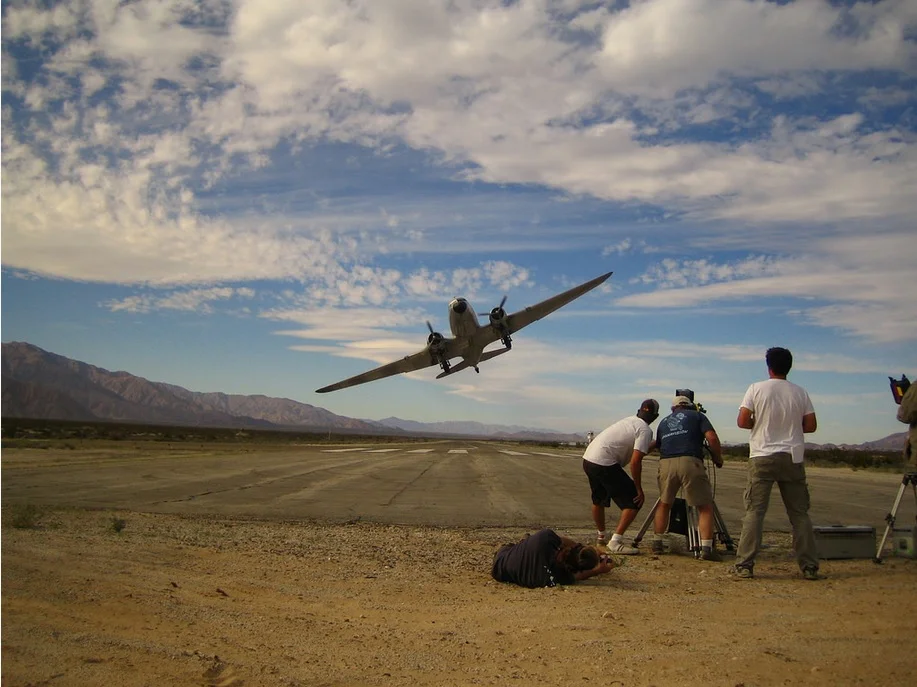
The name says international. The reality is smaller. San Felipe International Airport sits 11 kilometers south of the Gulf of California fishing town that gives it its name, equipped with a single asphalt runway and a single-story passenger terminal. Between 2014 and 2016, a regional airline called SeaPort Airlines ran seasonal flights to San Diego, which earned the airport its moment as a genuine cross-border link. Then SeaPort ceased operations. Since 2016, the airport has handled flight training, executive aviation, and general aviation — which is another way of saying that if you want a scheduled flight to or from San Felipe, you drive 182 kilometers north to Mexicali.
Infrastructure and Position
The airport sits at 30 meters above sea level on flat desert ground south of the town. Its single runway, designated 13/31, is built of asphalt and sized for small to medium general aviation aircraft. The apron covers 13,275 square meters and offers two parking positions for small aircraft, helipads, and additional general aviation stands. The passenger terminal is a single-story building with gates that allow passengers to walk directly to the aircraft — a layout scaled for small regional operations rather than major carriers. Hangars and general aviation facilities round out the infrastructure. The airport is operated by the state-owned Patronato para la Administración del Aeropuerto de San Felipe, which has managed it through the lean years since commercial service ended.
The SeaPort Years
SeaPort Airlines was a small regional carrier that specialized in serving underserved markets — places where there was enough demand for air service to make a route viable, but not enough to attract major carriers. San Felipe fit the profile: a town of several thousand residents and a substantial tourist population of American visitors, separated from San Diego by a three-to-four hour drive. Between 2014 and 2016, SeaPort ran those cross-border flights, making San Felipe International live up to its name for a brief window. In January 2016, SeaPort discontinued the route along with several others as the airline struggled financially. It ceased operations entirely that same year. The airport returned to its quieter role.
The General Aviation Appeal
What San Felipe Airport has — and what Mexicali, the nearest commercial hub, lacks — is atmosphere. Flying into San Felipe in a small aircraft means landing in a town where the Gulf of California begins a few hundred meters from the end of the runway. The sea glitters. The desert is immediate. The town offers fresh seafood and clear nights. For private pilots and flying clubs based in Southern California and Arizona, San Felipe is a classic weekend destination: short enough for a day trip, interesting enough to stay. The flight across Baja's northern desert, over the Sierra de San Pedro Mártir, is itself a reward. The airport's general aviation orientation suits this crowd perfectly.
Looking North
San Felipe became Mexico's newest municipality in 2022, which brought new administrative attention but did not immediately solve the airport's commercial connectivity problem. The 182-kilometer drive north to Mexicali International Airport remains the standard route for any San Felipe resident needing a scheduled flight. For a municipality asserting its independence and identity on the Gulf of California shore, the absence of commercial air service is both a practical inconvenience and a symbol of the work that remains. The infrastructure exists. The runway is there. What is missing, for now, is the airline willing to bet on San Felipe.
From the Air
San Felipe International Airport (IATA: SFH, ICAO: MMSF) is located at 30.93°N, 114.82°W, approximately 11 km south of San Felipe. Single asphalt runway 13/31 at 30 meters MSL elevation. The airport sits in flat desert terrain with the Gulf of California visible approximately 8 km to the east. Pattern altitude is 1,000 feet AGL. No commercial service. General aviation fuel availability should be confirmed before departure.
Nearby Stories
- San Felipe Municipality, Baja California 12 km away
- Off-roading in Baja 16 km away
- 2012 Boeing 727 Crash Experiment 143 km away
- Laguna Salada 171 km away
- Battle of Stanwix Station 218 km away
- San Lorenzo Marine Archipelago National Park 236 km away
- Gillespie Dam Bridge 299 km away
- Guadalupe Island Biosphere Reserve 332 km away