
California Shipbuilding Corporation
The ground beneath California Shipbuilding Corporation's yard was not, strictly speaking, ground. Terminal Island's eastern marshes were spongy tidal flat — mud and reed and brackish water — and so before the first keel was laid, workers drove 57,000 wooden pilings into the muck to create a platform that could hold the weight of ships. The journalist who visited in 1942 called Calship 'a city built on invisible stilts.' That phrase captured something true about the whole enterprise: an industrial city conjured from nothing, on land that barely existed, in the middle of a war, producing Liberty ships at a pace the world had never seen.
The Yard That Wasn't There
California Shipbuilding Corporation didn't exist before 1940. The Maritime Commission's emergency expansion program needed new yards on the West Coast, and the consortium of companies that formed Calship had eighteen months to go from empty tidal flat to operational shipyard. They chose the eastern end of Terminal Island in Los Angeles Harbor, dredged channels, drove pilings, poured concrete, and erected cranes. By the time the United States entered the war in December 1941, the yard was operational. The first ship, the SS Star of Oregon, was launched in April 1941. Within a year, Calship was turning out Liberty ships — 441-foot all-welded cargo vessels — at an extraordinary rate, each one a floating warehouse capable of carrying 10,000 tons of war materiel to any port in the world.
The City of 40,000
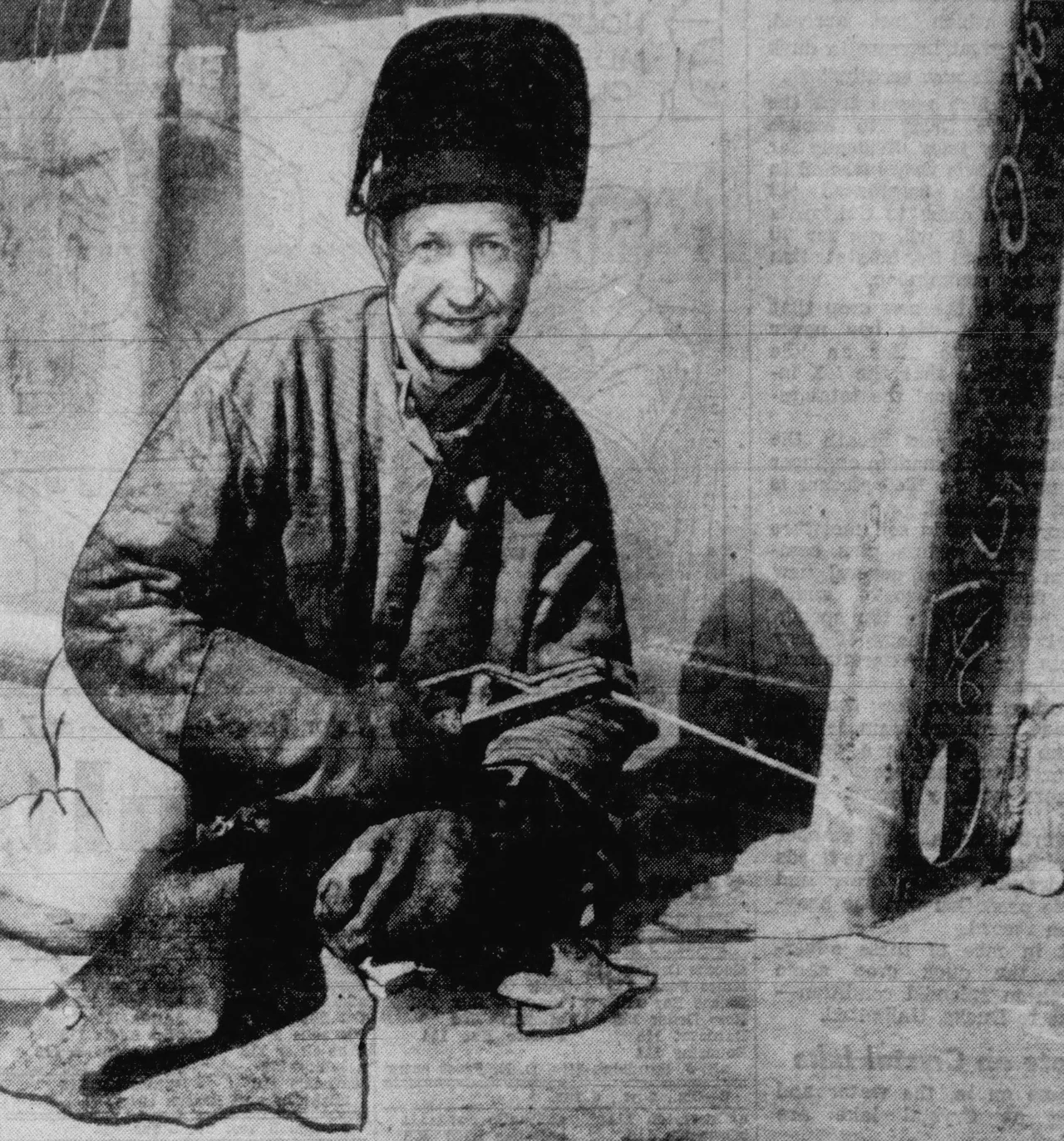
At its peak, Calship employed 40,000 workers on three shifts around the clock. The workforce drew from across California and the broader West — men and women, white workers and workers of color, many of them migrants who had come west during the Depression hoping for something better and found it, at last, welding steel on Terminal Island. Calship was one of the significant employers of Black workers in wartime California, with wages and conditions formally equal to white workers in ways that were still uncommon in American industry. The yard transformed the demographic character of the Los Angeles waterfront. Workers' housing sprang up across the South Bay. Cafeterias fed thousands per shift. The shipyard had its own police force, fire department, and hospital.
The December of 23 Ships
The statistics of Calship production strain comprehension. Four hundred sixty-seven ships launched between 1941 and 1945 — Liberty ships and Victory ships, tankers and attack transports. In December 1943 alone, the yard launched 23 ships in a single month, a record that stood as one of the most remarkable industrial achievements of the war. Construction times that had taken twelve months at the start of the war fell to weeks. Prefabrication — building hull sections away from the slipway and welding them together — allowed work to proceed on multiple phases simultaneously. The men and women who built these ships were proud of that pace. They had signs on the wall: 'A ship a day.' Some months, they nearly made it.
The Closing Whistle
Japan surrendered in August 1945. The need for Liberty ships vanished overnight. California Shipbuilding Corporation shut down in September 1945, just four years after it opened. The cranes were sold or scrapped. The pilings remained in the mud. The 40,000 workers scattered — back to farms, back to home states, into the California economy that the war had fundamentally transformed. The yard's site on Terminal Island was later absorbed into port operations. A few of the ships built there — the ones that survived the war — continued to sail the world's cargo routes for decades. Most were scrapped in the 1960s and 1970s, their steel recycled into the peacetime economy.
467 Ships
The Liberty ships that came off Calship's ways crossed every ocean. They carried tanks to North Africa, food to Britain, ammunition to the Pacific island campaigns, medical supplies everywhere. Some were torpedoed. Some ran aground. Some were blown up in harbor explosions. But most made it, delivering the material weight of American industrial power to the places where the war was being decided. What Calship built in four years on a swampy island in Los Angeles Harbor was not just ships. It was the logistical spine of Allied victory in the Pacific — 467 times over, one welded hull at a time.
From the Air
Located at approximately 33.76°N, 118.25°W on Terminal Island in Los Angeles Harbor. The former Calship site is now part of the Port of Los Angeles industrial complex. Long Beach Airport (KLGB) is approximately 4 miles northeast; Los Angeles International Airport (KLAX) is approximately 10 miles northwest. Approach from the south over the harbor for best view of the Terminal Island industrial landscape, where the scale of wartime shipbuilding once filled every inch.
Nearby Stories
- Ennis House 1.8 km away
- Aliso and Wood Canyons Wilderness Park 5 km away
- Amgen 9.9 km away
- Silverado Fire 12 km away
- Catalina Airport 22 km away
- Santa Barbara Island 22 km away
- Stagecoach Inn (California) 39 km away
- San Bernardino Train Disaster 40 km away