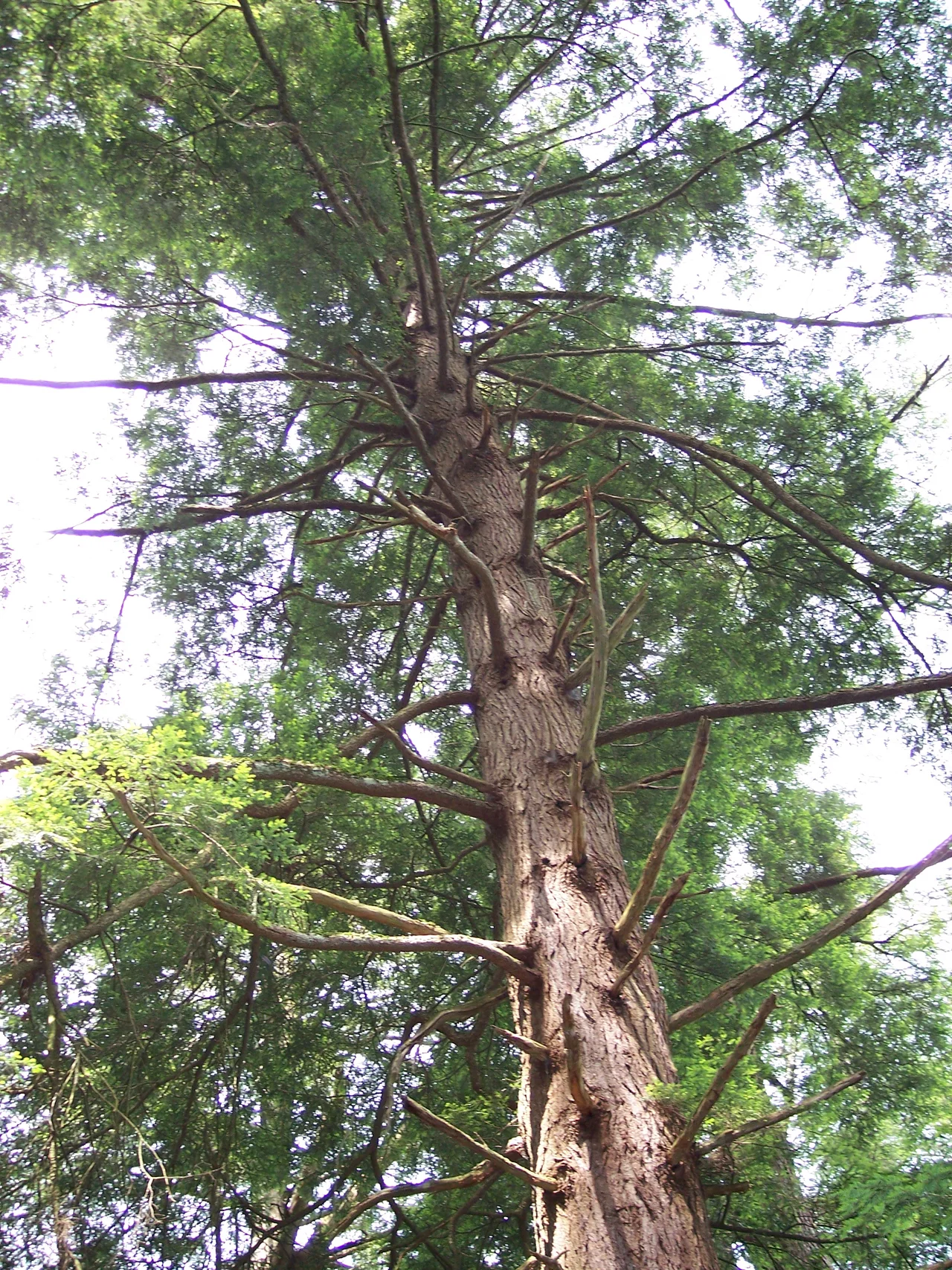

Cathedral State Park
Almost every acre of West Virginia was clear-cut in the late nineteenth and early twentieth centuries. The white pine, the eastern hemlock, the red spruce - whole forests came down to feed the lumber market and the steel mills. By 1920, virtually no virgin timber remained anywhere in the state. There was one exception. Branson Haas, a workman at the nearby Brookside hotel, bought a small tract of forest in 1922 and would not allow the trees on his property to be cut. The hemlocks he protected grew up to 90 feet tall and 21 feet in circumference. When Haas sold his land to the state of West Virginia in 1942, the tract became Cathedral State Park - the largest remaining virgin timber stand in the entire state.
What 'Cathedral' Means
Walking into Cathedral State Park is like walking into a building made of wood. The hemlocks rise up to 90 feet straight overhead, their trunks columnar and largely branch-free for the first 40 or 50 feet. The canopy meets in a green dim vault. Rhine Creek runs through the park along its lower edge, with the standing water of small pools beneath the largest trees. The forest floor is mostly bare needles - hemlocks shade out understory growth, leaving the ground soft and brown. The acoustics are extraordinary. Voices carry. Birdsong rings off the trunks. The name was given by early visitors who recognized the cathedral effect without needing it explained. The 133-acre park is small. The trees within it have been alive for centuries.
Haas, the Hotel Handyman
Branson Haas worked at the Brookside hotel in Aurora, West Virginia. The hotel was a destination for visitors to the cool Allegheny highlands - a fashionable Gilded Age resort that hosted travelers seeking summer relief from the lowland heat. When Haas purchased the land in 1922, he could have sold the timber for a substantial amount of money at any point in the next twenty years. He did not. When he sold the property to the state of West Virginia in 1942 for protection as a state park, he made the decision that preserved one of the most ecologically valuable small tracts in the eastern United States. The park was eventually included in the Brookside Historic District. It was designated a National Natural Landmark on October 6, 1966, and recognized by the Society of American Foresters in 1983 in its National Natural Areas program.
The Woolly Adelgid Threat
What survived the loggers may not survive the insects. The hemlock woolly adelgid - Adelges tsugae, a tiny aphid-like pest accidentally introduced to North America from East Asia in the early twentieth century - has devastated eastern hemlock forests across the Appalachians. The adelgid kills hemlocks by feeding at the base of needles, eventually defoliating and starving the tree. Detection in the area has been documented within 20 miles of the park. Park managers have been treating individual trees with systemic insecticides applied to the soil at the base, an expensive and labor-intensive intervention that buys time but does not eliminate the threat. If the adelgid reaches Cathedral State Park's hemlocks and treatment cannot keep up, the forest could be lost in a way that would be irreversible on any human timescale.
Lightning, Snow, and Hurricane Sandy
Even before the woolly adelgid, the trees have taken hits. In 2004, the state's largest hemlock - the centerpiece of the park - was felled by lightning. Old, tall trees are inherent lightning rods on the Allegheny ridges. In October 2012, Hurricane Sandy crossed New Jersey and pushed inland, dumping heavy wet snow on the high country of West Virginia. Cathedral State Park suffered extensive damage. The hemlocks, which retain their needles year-round, caught the snow load and limbs snapped under the weight. The park reopened, but the loss was substantial. The cathedral is still standing. The threats have changed. The trees that survived a century of logging now face climate, pests, and storms - the same forces that they survived for centuries when there were many more like them.
From the Air
Located at 39.33 degrees north, 79.54 degrees west, in Preston County, West Virginia, near Aurora. Best viewed from 3,000 to 4,500 feet AGL. The park is small (about 133 acres) - look for the dark, mature evergreen forest distinct from the surrounding second-growth woods. U.S. Route 50 (the historic Northwestern Turnpike) runs nearby. Nearest airports are Cumberland Regional (KCBE) and Morgantown Municipal (KMGW). The high-elevation cold microclimate that favored the hemlocks also produces frequent fog and rapidly changing mountain weather.
Nearby Stories
- Joseph Hanks 2.8 km away
- West Virginia Wesleyan College 6.9 km away
- Governor Joseph Johnson House 8.8 km away
- Allegheny Mountains 11 km away
- Hardy County, West Virginia 21 km away
- Battle of Fort Necessity 30 km away
- United Airlines Flight 93 58 km away
- West Virginia Penitentiary 65 km away