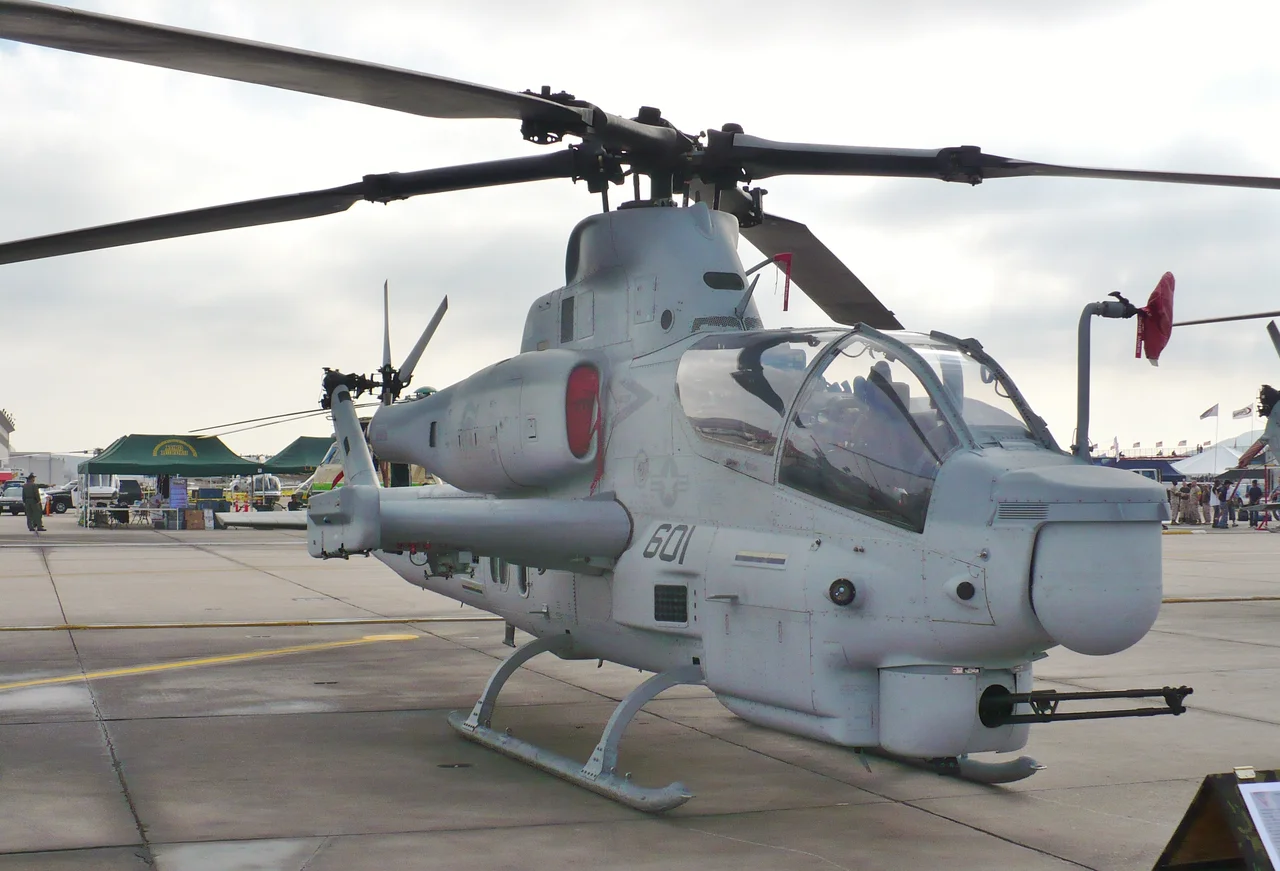

700,000 People Looking Up
Once a year, Marine Corps Air Station Miramar opens its gates and San Diego pours in. The crowd that assembles — 700,000 people across a weekend, making this the largest military air show in the United States — comes for a specific kind of spectacle: aircraft doing things that aircraft are not supposed to be able to do. The Blue Angels arrive last, and when they do, the crowd falls into a particular silence between the passes, the kind that comes from watching something genuinely improbable.
The Base Behind Top Gun
MCAS Miramar has its own cinematic history. The base was previously a Naval Air Station, home to the Navy's famous Fighter Weapons School — better known from the 1986 film that made the phrase 'Top Gun' part of the cultural vocabulary. The school moved to Naval Air Station Fallon in Nevada in 1996, but Miramar's identity as a place where serious aviation happens has never left it.
The Marine Corps took over the base in 1997, bringing its own aviation mission and its own culture. But every October, when the air show season arrives, the base's identity shifts momentarily from working military installation to public spectacle. The flight lines that normally support combat-ready aircraft become the backdrop for performances that translate that combat capability into something accessible to a family from Chula Vista on a Saturday afternoon.
What the Show Offers
The Miramar Air Show runs for three days each October, and the programming layers civilian performers, military demonstrations, and the Navy's Blue Angels across the weekend. Static displays let attendees walk around and sometimes climb into aircraft that usually operate behind security perimeters. The Marine Air-Ground Task Force demonstration — known as the MAGTF Demo — is a combined-arms show that uses live fire, helicopter assault sequences, and the thunder of supporting jets to illustrate how the Marine Corps fights as an integrated force.
The Blue Angels, the Navy's precision flight demonstration team, close the show on Sunday. They have performed at Miramar repeatedly over the years, and their appearance draws the largest crowds. The six F/A-18 Super Hornets flying in formations measured in feet rather than hundreds of feet produce a sensory experience — the sound, the speed, the proximity — that photographs and videos cannot fully convey.
Beyond the Flight Line
The air show is also, in ways that are easy to underestimate, a civic event. For many San Diego families, it is the most direct encounter they will have with the military that constitutes such a large part of the regional economy and identity. Servicemembers who staff the static displays spend the day answering questions from curious civilians who have never been this close to a fighter jet.
This proximity matters in a city with San Diego's military density. The Navy, Marine Corps, and other branches together employ a significant portion of the regional workforce and shape the physical landscape of the city. The air show offers a moment of reciprocal visibility — the military showing the public what it does, the public demonstrating that it remains interested. Seven hundred thousand people is a number that registers even on the scale of a major American metropolitan area.
The Sound of Power
What stays with people who attend the Miramar Air Show is often not the visual but the auditory. The afterburner roar of a jet fighter at low altitude is a physical experience — it registers in the chest rather than just the ears. The Blue Angels' signature maneuver, the diamond formation pass at minimum altitude, produces a sound that follows the visual by a fraction of a second in a way that the brain processes as genuinely alarming before the conscious mind catches up.
This is intentional. Military aviation exists to project power, and the air show translates that power into a form that civilian audiences can experience directly. It is theater, but it is theater built on real capability. The aircraft performing loops and rolls over Miramar on a Saturday in October are the same aircraft that would deploy to contested airspace if the nation required it.
From the Air
MCAS Miramar sits on a mesa inland from San Diego, its long runways and flight line visible from the air as one of the largest military aviation facilities in Southern California.
Nearby Stories
- Laguna Fire 0.9 km away
- San Diego Botanic Garden 3.3 km away
- Santa Ysabel Asistencia 10 km away
- Valle de Las Palmas 19 km away
- Tijuana: The Border City That Became Its Own Third Country 20 km away
- Laguna Art Museum 55 km away
- San Clemente Island 69 km away
- USS Higbee 206 km away