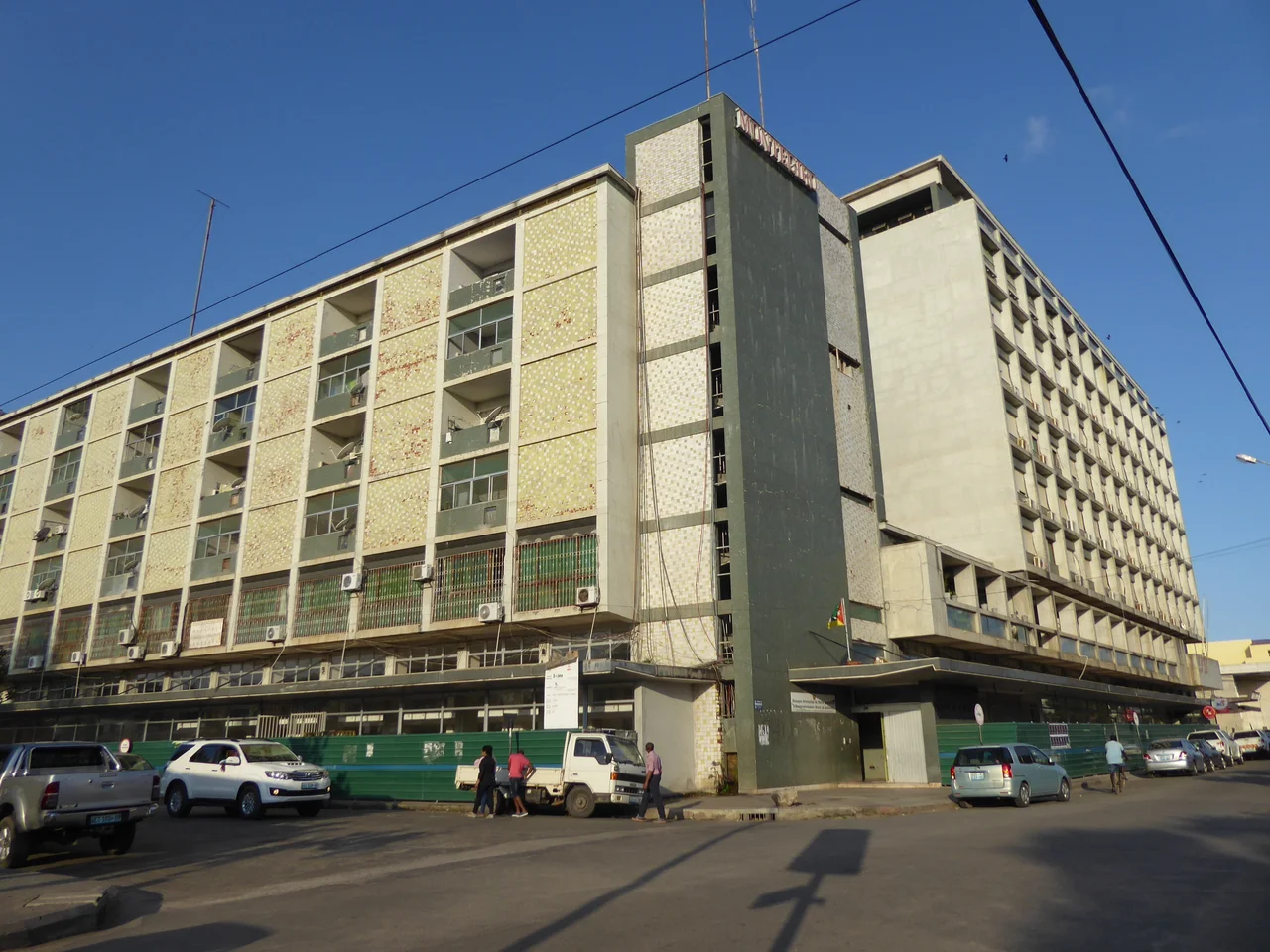

Quelimane
When Vasco da Gama anchored his ships at the mouth of this river in 1498, he looked at the channel ahead and saw good signs - signs that he was, at last, on the right road to India. He named the water the Rio dos Bons Sinais, the River of the Good Signs, and the name stuck for five centuries. Twenty-five kilometers upstream sits Quelimane, a low, humid, palm-shaded port in Mozambique that has been a crossroads far longer than any European knew - and a place where some of the cruelest and most heroic chapters of African history washed up on the same muddy banks.
Older Than the Maps
Long before the Portuguese arrived, Quelimane was a Swahili trading settlement, one of the chain of Muslim coastal towns linked to the Kilwa Sultanate that ran commerce up and down the East African seaboard. Dhows carried gold, ivory, and goods between this coast and the wider Indian Ocean world. It was, by any measure, one of the oldest towns in the region. The name itself is a mystery wrapped in a misunderstanding. One old tale claims da Gama's men asked locals what the place was called; the workers, thinking they were asked what they were doing in the fields, answered kuliamani - 'we are cultivating.' Another holds that the name comes from the Swahili word for interpreter.
The Slave Coast
The town's prosperity carried a brutal shadow. Quelimane grew into a notorious market of the Indian Ocean slave trade, a place where enslaved people were gathered, held, and shipped onward. These were not statistics. They were men, women, and children torn from communities across the interior, marched to this coast, and sold into a system that treated human beings as cargo to be counted in a ship's manifest. Portugal forbade any but its own traders here until 1853, locking the town into a colonial economy. To stand on the riverbank today is to stand where that suffering passed through - a history Quelimane does not hide, and should not.
Where Livingstone Reached the Sea
On 25 May 1856, an exhausted Scottish missionary named David Livingstone walked into Quelimane and stopped. Behind him lay the entire width of south-central Africa - the first crossing of the continent from west coast to east by a European, an overland journey of staggering distance and danger. The Rio dos Bons Sinais was his finish line. For all the romance of exploration, Livingstone arrived sick and worn, carried as much by African guides and porters as by his own will. Quelimane was the door through which his great crossing finally opened onto the ocean and the wider world.
Tea, Coconut, and a Quieter Port
For a stretch in the colonial era, Quelimane boomed. Swiss planters laid out sisal estates in the early twentieth century, and the port shipped tea grown in the highlands of inland Zambezia, around the town once called Vila Junqueiro. Coconut palms crowded the lowlands, their fruit processed in the city, and the streets filled with a mix of communities - Portuguese, Muslim, Indian - drawn by the trade. By 1970 more than seventy thousand people lived here. Independence came in 1975, after Portugal's Carnation Revolution toppled the old regime in Lisbon, and the river port slowly lost the central importance it once held. Today Quelimane is humid, hot, and far enough from a good beach that few tourists linger - but it endures as Zambezia's busy capital.
Storms Off the Channel
Quelimane sits squarely in the path of the cyclones that spin up out of the warm Mozambique Channel, and its low, flood-prone streets pay the price. The roll call is grim: Filao in 1988, Idai's rains in 2019, and worst of all, Freddy. In March 2023, Cyclone Freddy made landfall near Quelimane as a Category 1 storm after a record-shattering 36 days at sea - the longest-lasting tropical cyclone ever recorded, having crossed the entire Indian Ocean from near Australia. Winds gusted past 200 kilometers an hour. Roofs peeled away, streets drowned, and more than 180 people died in Mozambique alone, with the storm's wider toll across the region climbing into the thousands. The town rebuilds each time and waits for the next season.
From the Air
Quelimane sits at 17.88 degrees S, 36.89 degrees E, set back about 25 km from the coast on the winding Rio dos Bons Sinais in central Mozambique. From the air, look for the serpentine river threading through green deltaic lowlands and dense coconut groves to a low, grid-patterned town. Quelimane Airport (ICAO FQQL) serves the city directly; Beira (FQBR) lies to the south. Approach with caution in the November-April wet season - this coast breeds the cyclones of the Mozambique Channel, and visibility can collapse fast in tropical downpours.
Nearby Stories
- Dona Ana Bridge 124 km away
- Mount Mabu 147 km away
- Gorongosa National Park 195 km away
- Mulanje Massif 224 km away
- Japanese Submarine I-18 248 km away
- Bassas da India 452 km away
- Juan de Nova Island 582 km away
- Europa Island 598 km away