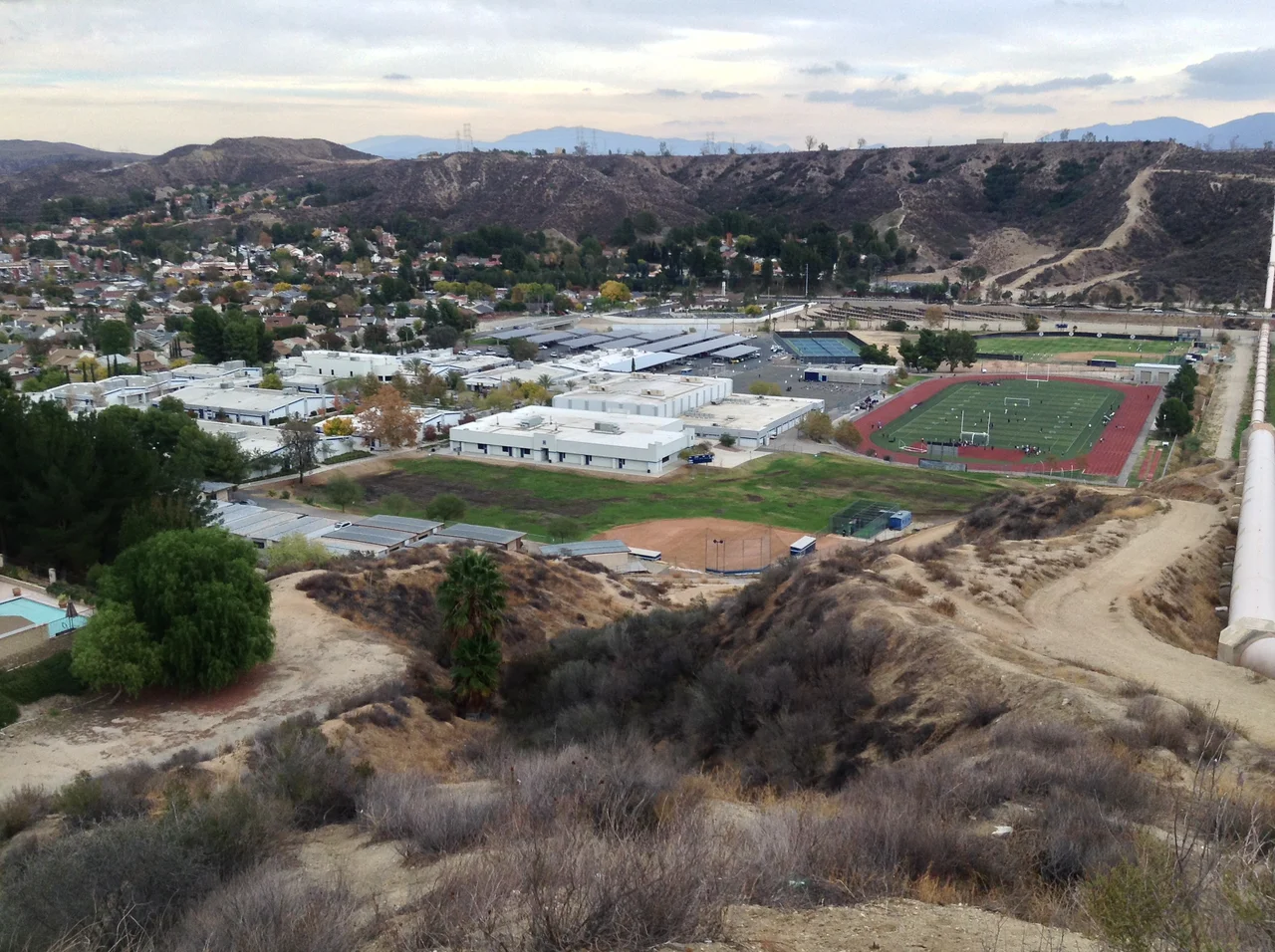

Saugus High School Shooting
The shooting at Saugus High School lasted sixteen seconds. At 7:38 a.m. on November 14, 2019, a 16-year-old student named Nathaniel Berhow walked into the school's outdoor quad, drew a .45-caliber handgun, shot five classmates, and then shot himself. It was his birthday. Two students—15-year-old Gracie Anne Muehlberger and 14-year-old Dominic Michael Blackwell—died. Three others were wounded. Berhow died the following morning.
The School and the Morning
Saugus High School sits in Santa Clarita, a suburban city in the northern reaches of Los Angeles County. The William S. Hart Union School District had, in response to the broader pattern of school shootings in America, implemented security measures: fencing around the campus, a dozen security cameras, a school resource officer assigned to the campus, locked gates during instructional hours. Earlier in 2019, Saugus students had participated in a class project to create a training video on responding to an active shooter. Some students later credited that preparation with helping them react quickly when the real event unfolded. The weapon Berhow used—a .45-caliber semiautomatic handgun assembled from a kit, what law enforcement calls a "ghost gun"—could not have been legally purchased by a sixteen-year-old in California.
Gracie and Dominic
Gracie Anne Muehlberger was fifteen years old, a freshman. Dominic Michael Blackwell was fourteen. They were the two who did not survive. Their names were added to the sign at the entrance of Santa Clarita's Central Park in February 2021, after a vote by the Santa Clarita Water Board: "In Memoriam Gracie Muehlberger and Dominic Blackwell." The gunman and his victims had no known personal connection. They shared a school, a morning, and nothing else in any record investigators could find. The absence of a motive—no manifesto, no diary, no note—made the event feel more inexplicable, not less. Some things don't resolve into explanation.
Aftermath and the Debate That Followed
Politicians across the spectrum responded within hours. President Trump, Vice President Pence, Senator Kamala Harris, Governor Gavin Newsom all issued statements. U.S. Senators Richard Blumenthal and Chris Murphy, who had been on the Senate floor advocating for universal background checks when news of the shooting broke, incorporated it directly into their speeches. Gun control advocates cited the shooting as evidence of the need for stronger laws; gun rights supporters pointed to the existing California laws that had not prevented it. Saugus High School teacher Gina Painter wrote an opinion piece for the Washington Post about the normalization of shootings, and the comment that someone made to her afterward: "It could have been worse. It's not like Saugus is Sandy Hook."
Saugus Strong
In October 2023, families of the victims filed suit against the school district, arguing it had failed to prevent a preventable tragedy. The case moved through the courts. At the high school, life resumed—the particular, difficult resumption that follows mass violence in a community that has to keep going. Students returned to the campus, teachers returned to their classrooms, and the school continued to operate under the awareness that something terrible had happened there, and that the world had not changed enough in response to make it feel safe to forget. A "Saugus Strong" website, launched the day after the shooting, remained a gathering point for community resources and memorial. The sixteen seconds stretched into years.
From the Air
Located at 34.44°N, 118.52°W in Santa Clarita, California. The Saugus High School campus is visible from the air at 2,000–3,000 feet MSL, situated in the residential neighborhood north of the city center. Nearest airports: KWHP (Whiteman Airport, ~17 miles south), KVNY (Van Nuys, ~20 miles southeast). Santa Clarita sits at the north end of the San Fernando Valley corridor, visible as a broad suburban grid against the surrounding mountain terrain.
Nearby Stories
- Topanga 4.6 km away
- Mission San Buenaventura 14 km away
- Mount Lowe Railway 17 km away
- Channel Islands: The California That Cars Never Reached 23 km away
- Antelope Valley California Poppy Reserve 26 km away
- Disneyland Railroad 38 km away
- Edwards Air Force Base 38 km away
- The San Andreas Fault at Carrizo Plain 66 km away