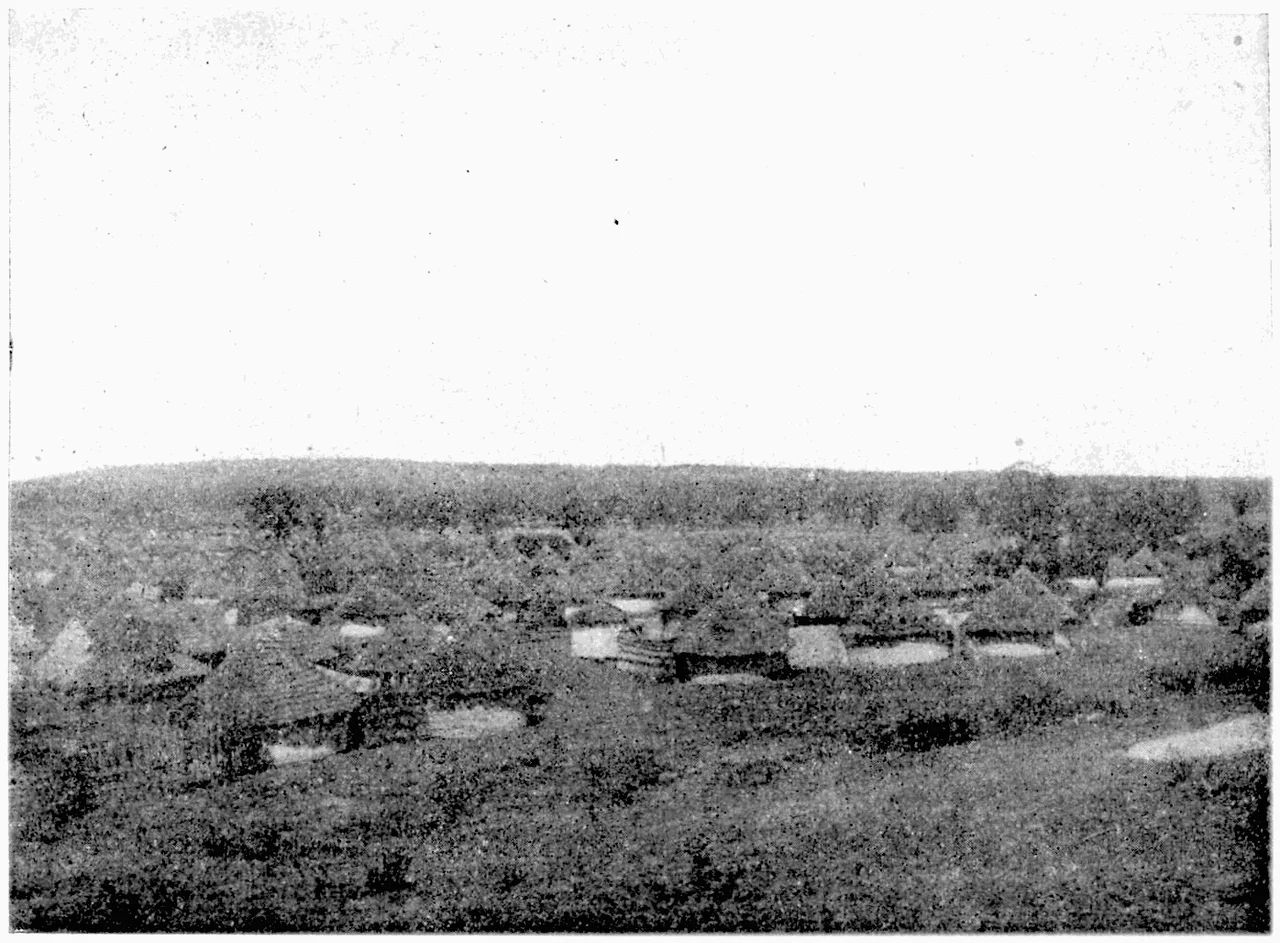

Siguiri
The name says it plainly: Siguiri, the place of the buffalo. Long before the gold rush, this stretch of the upper Niger was thick brush teeming with wild animals, and the people who named it remembered that older landscape in the word itself. Today the buffalo are gone, but Siguiri remains a place defined by what lies underfoot. This is gold country, one of the oldest goldfields in West Africa, and the city on the river has spent a thousand years living off the metal that made medieval empires rich.
A City That Keeps Moving
Siguiri has never been entirely sure where to stand. The Niger floods, and richer farmland appears on one bank or another, and so the town has shifted across the years, settling and resettling on both sides of the river in search of solid ground and good soil. Oral tradition reaches back even further, holding that Nyamagan, the eldest son of Sundiata Keita, the founder of the Mali Empire, once settled and ruled in this country. Whether legend or memory, the claim ties Siguiri to the deep Mande past, to the empire whose griots still sing of its founding.
The Gold of Bouré
North and northwest of the city, along the Tinkisso River, lies the Bouré goldfield. This was no minor deposit. In the eleventh and twelfth centuries, Bouré rose to replace the older field of Bambouk as a principal source of West African gold, feeding the trans-Saharan trade that carried the metal north across the desert to the Mediterranean world. The gold of fields like these underwrote the legendary wealth of Mali, the kind of riches that, when a Malian emperor crossed Egypt with his caravan, were said to have disrupted markets for years. The seams have never been exhausted. Mining continues across the region, both in industrial operations and in the hand-dug pits of artisanal miners, a high-risk livelihood that draws workers from across the area.
Goldsmiths and a Griot's Son
Gold mined nearby becomes gold worked in town. Siguiri is known for its goldsmiths, artisans who turn the raw metal into the jewelry and ornaments prized across the region, carrying on a craft as old as the trade itself. The city's other great export is music. Siguiri is the birthplace of Sekouba Bambino Diabaté, the celebrated Guinean singer whose voice carried Mande tradition onto international stages. In a culture where the griot, the hereditary musician and keeper of history, holds a place of honor, producing a singer of that stature is its own kind of wealth.
Fort on the River
The modern shape of Siguiri owes much to the colonial moment. In 1888 the French built a fort here, planting their authority on the strategic river crossing as they pushed inland up the Niger. The fort marked Siguiri's role as a node in a far larger system, a point where French ambition met the older trade in gold and goods. Today the city is the capital of Siguiri Prefecture in the Kankan Region, its airport linking it to the wider country. The savanna climate brings a hard line between wet and dry seasons, the river swelling and shrinking with the year, as the buffalo's old country goes on yielding its quiet, enduring fortune.
From the Air
Siguiri sits at 11.42°N, 9.16°W on the upper Niger River in northeastern Guinea's Kankan Region. The Niger is the dominant visual feature, a broad braided ribbon that serves as an excellent navigation reference. Siguiri Airport (GUSI) serves the town directly; Conakry (GUCY) lies far to the southwest. The Bouré goldfields along the Tinkisso River lie to the north and northwest. Best viewed in the dry season when the river runs clear of its flood and mining activity is visible along the banks.
Nearby Stories
- Niani, Guinea 44 km away
- Kangaba 55 km away
- Niagassola 82 km away
- Dinguiraye 95 km away
- Samorian State 128 km away
- The Guinea Highlands: West Africa's Water Tower 176 km away
- Manantali Dam 188 km away
- Kenedougou Kingdom 207 km away