.jpg)
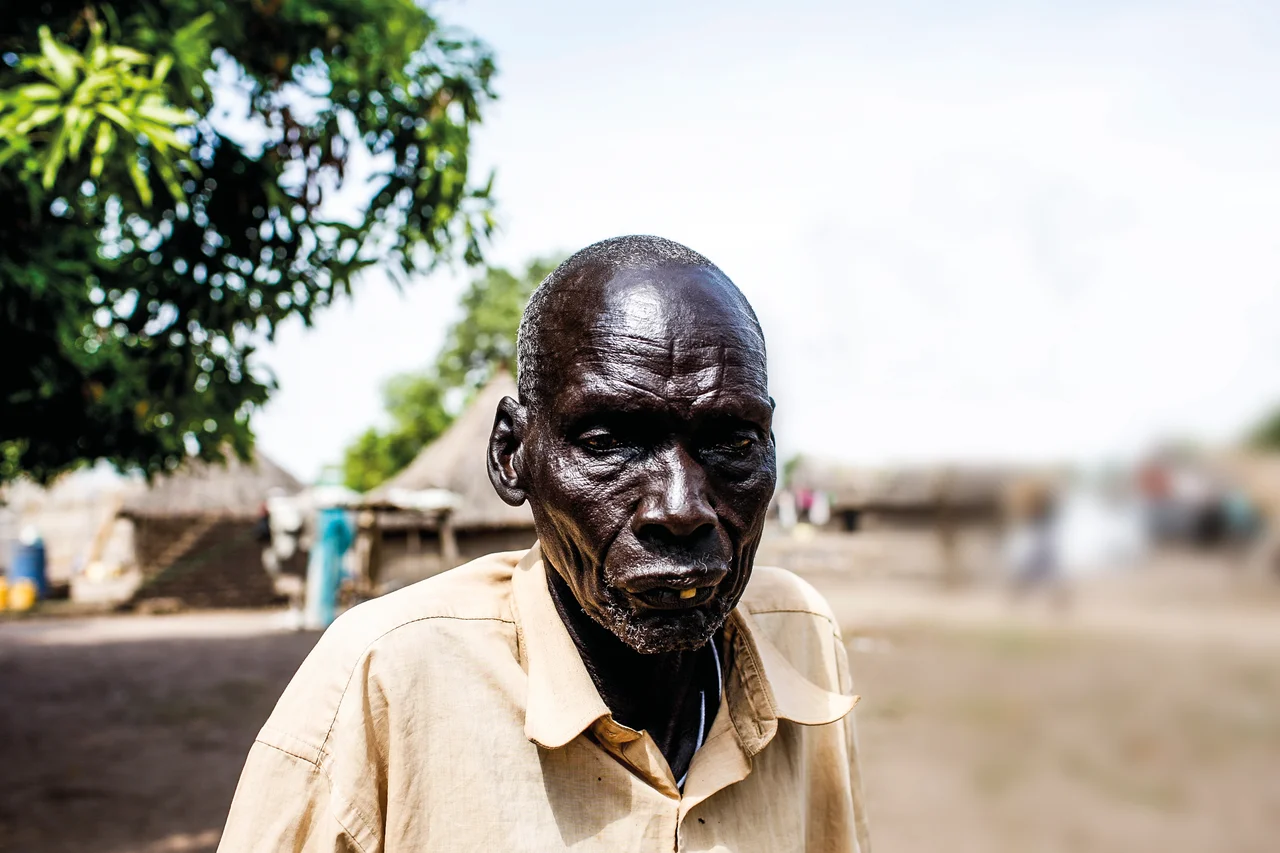
Twic East County
The Twic people of Jonglei trace their identity to a founding ancestor named Atwï, also called Atwïc Ariɛm. The origin myth is worth knowing: Atwic and his brother Yieu once lived together at a place called Patunduu' or Patundur, west of Paliau. They had a falling out. Atwic left. After his departure, the land fell into an eight-year drought, and only when Yieu asked his brother to return did the rains come back. When Atwic returned, so did the rains - and with them, the chieftainship. That myth is still the frame through which Twic East County understands itself: a community whose wellbeing depends on relationships kept and brothers called home.
Where Twi Dinka Country Sits
Twic East County is located in Jonglei State in South Sudan, with its headquarters at Panyagor. Its borders and internal divisions have been unstable. In May 2016, the county was split into five new counties - Twic North, Kongor, Ayual, Twic Center, and Twic South. In 2020, as part of the revised peace agreement, President Salva Kiir Mayardit reinstated the original ten-state structure and reunified Twic East County. The area is former colonial Twi Dinka district, long distinct from the neighboring Bor Dinka; residents of Jonglei are quick to note that Twic Dinka was a district in its own right during British times and was never part of Bor District, a point of historical identity that still matters in local politics. According to the Fifth Population and Housing Census of Sudan in April 2008, Twic East County had 85,349 people - 44,039 men and 41,310 women.
Droughts, Raids, and Food That Doesn't Arrive
Like much of South Sudan, Twic East lives with recurring drought that interrupts agriculture and forces reliance on humanitarian food aid. Those supplies have been targeted. In one documented raid, attackers intercepted trucks from the World Food Programme and made off with seven metric tonnes of food - food that had been flown or trucked across a region where every kilogram is fought for. That theft is emblematic: relief shipments here are not just logistics, they are political objects that armed groups sometimes steal to feed their own fighters or simply to punish communities they are fighting. The families waiting for those trucks - the elders, the nursing mothers, the children already thin from a bad season - are the ones who absorb the cost when aid does not arrive.
A County That Produces Icons
Twic East has produced more globally recognizable South Sudanese than most parts of the country. John Garang de Mabior (1945-2005), the founder of the SPLA/M and the man who negotiated the Comprehensive Peace Agreement that eventually led to independence, was born in Twic East - and died in a Ugandan army helicopter crash just weeks after being sworn in as First Vice-President of Sudan and President of the Government of Southern Sudan. Adut Akech, born in 1999 in a Kenyan refugee camp to a family from Twic East, became one of the most successful fashion models of her generation, walking Chanel and Saint Laurent runways. Awer Mabil, born in 1995, is a professional footballer who has represented Australia and played in the Danish Superliga, La Liga, and other European leagues. David Manyok Barac Atem (1959-2021) was a general in the SPLA. That range - revolutionary, model, footballer, soldier - tracks the trajectory of a population that went through catastrophe and came out everywhere.
Panyagor, the Nile, and the Future
Panyagor, the county seat, sits on the flat Jonglei plain not far from the Bahr el Jebel branch of the Nile, in the broader Sudd region. Cattle country. Seasonal floods that shape every calendar. An airstrip that functions when the rains allow. The Twi Dinka here are part of the larger Dinka majority of South Sudan - about 40 percent of the national population - and their internal politics, alliances, and grievances echo through national conversations. The myth of Atwï and Yieu, the brothers who had to reconcile before the rains would return, reads in the 21st century less as folklore than as political commentary. South Sudan's leaders, drawn heavily from this and neighboring counties, have had their own falling-outs. The country, like Patundur, is waiting for the rains that come when brothers come home.
From the Air
Coordinates 7.17°N, 31.37°E, in Jonglei State, South Sudan. County seat Panyagor has an airstrip; Bor Airport (HSBR) lies approximately 75 km south. The Sudd wetland extends to the west and north. Recommended viewing altitude FL200-FL300 to capture the flat Nile floodplain and the seasonal flooding patterns that define the landscape.
Nearby Stories
- Jonglei State 8.4 km away
- Ramciel 52 km away
- Bor, South Sudan 72 km away
- Yuai 75 km away
- 2018 South West Aviation Let L-410 crash 78 km away
- Nyal, South Sudan 85 km away
- Nizhnevartovskavia Flight 544 112 km away
- Pibor 126 km away