
2013 Radda airstrike
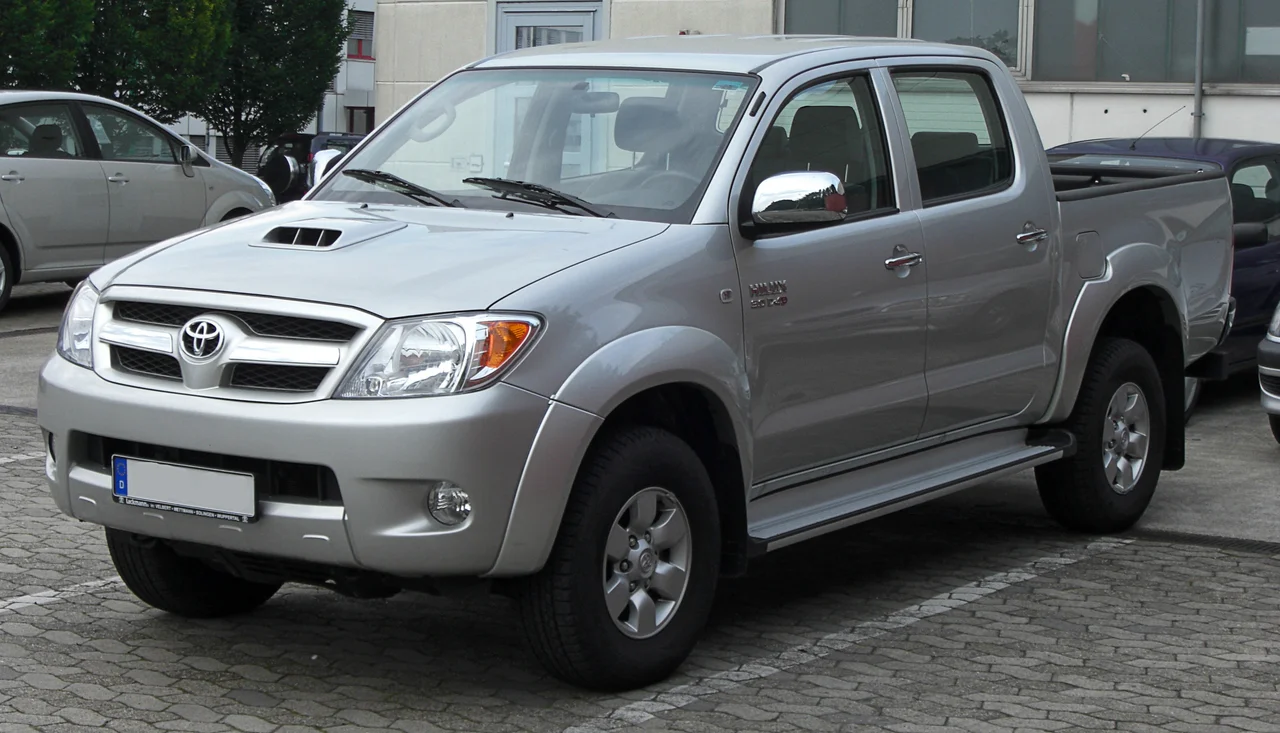
They had stopped for a flat tire. That is the detail that stays with you. Fifty or sixty people, mostly adult men from the al-Amri and al-Tisi families, were carrying the bride to her groom's village in rural al-Bayda Governorate, driving in a convoy across the high plateau of central Yemen. A few of the men carried assault rifles - a common tribal tradition at weddings, not unlike firing guns in celebration. When one of the vehicles got a flat, the whole convoy stopped at a place called Aqabat Zaj, north-east of the city of Radda, and some of the passengers noticed an unfamiliar sound overhead. It was a drone. Four missiles launched from a US base in Djibouti, struck a Toyota Hilux at the head of the convoy and the cars immediately around it.
The Morning After
Twelve men died. Fifteen others were injured, six of them seriously. All of the dead were members of the wedding party - relatives of the bride and groom, not one of them listed by local authorities as a member of al-Qaeda in the Arabian Peninsula, which US officials had named as the strike's intended target. The driver of the first vehicle escaped unharmed when the missiles struck; three people were killed and three more injured in that Toyota Land Cruiser at the front of the procession. The bride, whose name is not preserved in most accounts, survived. The groom survived. But the wedding that was supposed to become a shared family life instead became a mass funeral, with dozens of tribesmen carrying the bodies home for burial.
The Intended Target
On 20 December, eight days after the strike, US and Yemeni officials told the Associated Press that the target had been Shawqi Ali Ahmad al-Badani, a mid-level AQAP commander US officials said had masterminded a plot that forced the August 2013 closure of nineteen US diplomatic missions across the Middle East and North Africa. An analyst at the Abaad Studies and Research Center noted that al-Badani had been effectively unknown before the embassy plot and was now being called an emir of Sanaa on jihadist forums. The witnesses and survivors of the wedding strike rejected any linkage to al-Badani or to AQAP at all. Some reports suggested another AQAP member, Nasser al-Hotami, had been present and had escaped the targeted vehicle.
The Investigations
The Obama administration conducted two investigations, one by the military and one by the federal government. Both concluded that no civilians had died. Later reporting contradicted both findings. The CIA, according to leaked internal assessments, believed the strike had likely caused civilian casualties. According to Gregory D. Johnson, who covered the aftermath closely, the investigators had worked almost entirely from drone footage and intercepts; they had never been able to visit the scene or interview survivors. He likened the method to trying to view the world through a soda straw. The gap between the scenes inside and outside that straw - between what the drone cameras recorded and what the families of the dead knew firsthand - defined the disagreement about what had happened at Aqabat Zaj that day.
No Civilians
In May 2013, seven months before the strike, President Obama had delivered a major speech declaring a new drone policy. Drone strikes, he said, would only be launched against terrorists who pose a continuing and imminent threat to the American people, and only when there is near certainty that no civilians will be killed or injured. The policy was meant to address growing criticism of civilian casualties in Yemen and Pakistan. Before the Radda strike, at least seven other instances of US airstrikes had hit weddings during the war on terror - but all had been piloted aircraft in Iraq or Afghanistan. Radda became the first drone strike to kill wedding guests. Yemen's parliament responded with a non-binding vote condemning US drone strikes.
Compensation and Denial
Hooria Mashhour, Yemen's Minister of Human Rights, wrote a Washington Post op-ed arguing that drone strikes like Radda inadvertently helped AQAP by traumatizing Yemenis and giving the group a recruiting issue. No leader, she wrote, can legitimately approve the extrajudicial killing of his own citizens. Amnesty International USA criticized the US for opaqueness, noting that the American government was leaking blanket denials of civilian casualties that are impossible to assess when so much basic information is withheld. The Obama administration suspended Joint Special Operations Command activities in Yemen for most of the following year - though the CIA's parallel drone campaign continued. The Yemeni government, officially agreeing with the US position, simultaneously allocated over a million dollars in tribal compensation to the families, money analysts believed was ultimately American. By April 2015, the JSOC ban had been completely lifted.
A Wedding That Became a Funeral
The Human Rights Watch report released in February 2014 was titled A Wedding That Became a Funeral. That is what the strike looks like from the ground - from inside the family gathering, from the vantage point of the bride, from the burial ceremonies in the villages of al-Amri and al-Tisi. From the vantage of the soda-straw camera, the vehicles were a convoy of armed men who were perhaps carrying a high-value target, a target that perhaps escaped. The reconciliation of those two views has never quite happened. The twelve men who died at Aqabat Zaj remain in the records as either collateral damage, or as wedding guests, or as both - a distinction that mattered enormously to their families, and only intermittently to the people who had ordered the strike.
From the Air
Coordinates: 14.550°N, 44.850°E. The site of the strike lies in rural al-Bayda Governorate, northeast of the city of Rada'a, in the mountainous central highlands of Yemen at about 2,000 meters elevation. The surrounding landscape is arid highland scrubland and terraced farming. Nearest airports: Sanaa International (OYSN) approximately 180 km north-northwest. Ongoing civil conflict makes this a dangerous overflight region; civilian aviation is severely restricted.
Nearby Stories
- Zafar, Yemen 46 km away
- 2012 Unity Day parade rehearsal bombing 63 km away
- Temple of Awwam 71 km away
- Ashrafiya Mosque 81 km away
- Marib Dam 83 km away
- Sana'a 95 km away
- 2002 Marib Airstrike 121 km away
- Cyclone Chapala 350 km away