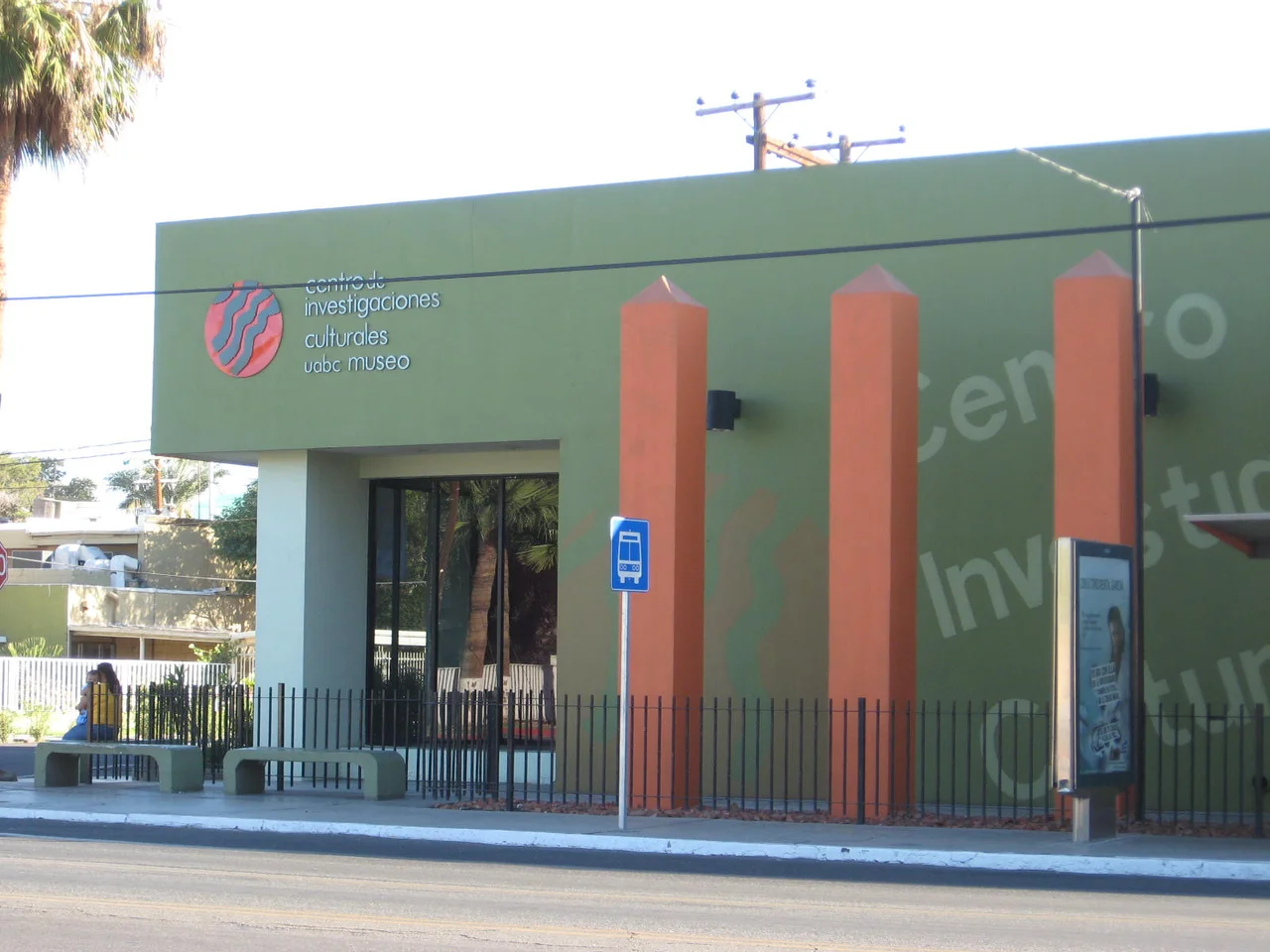

Autonomous University of Baja California
When the Autonomous University of Baja California was founded on February 28, 1957, the state it served was one of Mexico's most recent and most peripheral — a long peninsula attached to the rest of the country by a narrow land corridor and separated from the major Mexican university systems by thousands of miles of desert. The university was the region's institutional bet that education could anchor development at the edge of the nation. Seventy years later, it operates three major campuses and contains within its Ensenada facility one of the most significant oceanographic research centers in Mexico.
Mexicali at the Center
The university's headquarters in Mexicali reflects the border city's role as the state capital and its historical position as the administrative center of Baja California Norte. Mexicali's character — shaped by agricultural development, Chinese immigration, American commerce, and the particular dynamics of border life — provided the context in which the university developed. The UABC campus there serves tens of thousands of students across programs in engineering, business, humanities, and the sciences, functioning as the institutional anchor for a city that has grown dramatically since the mid-twentieth century.
Three Campuses, One System
The UABC operates its main campuses in the three principal cities of Baja California Norte: Mexicali, Tijuana, and Ensenada. Each campus reflects the character of its host city. The Tijuana campus engages with the border's particular mixture of manufacturing, culture, and cross-border economic integration. The Ensenada campus developed in a direction that reflects that port city's relationship with the Pacific Ocean — the oceanographic and marine sciences research that has made Ensenada's UABC facility notable within Mexican and international scientific communities.
Mexico's Oceanographic Capital
The Ensenada campus of UABC has developed into Mexico's leading center for oceanographic research — a distinction that reflects both the campus's location on Baja California's Pacific coast and the sustained investment in marine sciences that has built world-class facilities and a distinguished faculty over decades. The Pacific Ocean that breaks against Ensenada's shores provides the immediate subject of study: coastal dynamics, marine biology, physical oceanography, and the intersection of the California Current system with Mexican waters. Research from the Ensenada campus has contributed to the international scientific understanding of Eastern Pacific marine systems.
The 1980 Strike and What Followed
In 1980 and 1981, a labor dispute at UABC escalated from a strike into riots that tested the meaning of university autonomy under conditions of serious institutional conflict. Mexican public universities operate under a legal framework of autonomy — the right to govern themselves without direct government intervention, manage their own affairs, and resolve internal disputes internally. When a strike turned to riots, the limits of this autonomy became immediately practical questions: What did the university do? What could the state government do? How was the conflict eventually resolved? The episode stands as a reminder that institutional autonomy is a condition that requires constant negotiation with the world outside the institution's walls.
Development at the Border
The UABC's history parallels the broader development of Baja California Norte as one of Mexico's most dynamic states. The maquiladora manufacturing boom that brought hundreds of thousands of workers to Tijuana and other border cities created demand for technical and professional education that the university helped supply. The agricultural sector of the Mexicali Valley, historically one of the most productive in Mexico, generated its own educational and research needs. And the ocean — present at Ensenada, visible in the distance from Tijuana — provided the geographic fact around which the university's most distinguished scientific programs developed.
From the Air
The UABC's main campus in Mexicali lies at approximately 32.66°N, 115.47°W, in the eastern portion of the city near the US-Mexico border. Mexicali International Airport (MMML) is adjacent to the city. The university's Ensenada campus sits along the Pacific coast of Baja California, approximately 100 miles to the northwest. From the air approaching Mexicali from the north, the university campus is part of the urban fabric of a border city visible in its full extent — stretching south from the agricultural fields of the Imperial Valley.
Nearby Stories
- Carrizo Impact Area 5.3 km away
- Cooke's Wells Station 7.6 km away
- Desert View Tower 9.7 km away
- Brawley, California 13 km away
- Laguna Diversion Dam 46 km away
- Spanish Missions in Baja California 85 km away
- Off-roading in Baja 127 km away
- San Felipe 250 159 km away