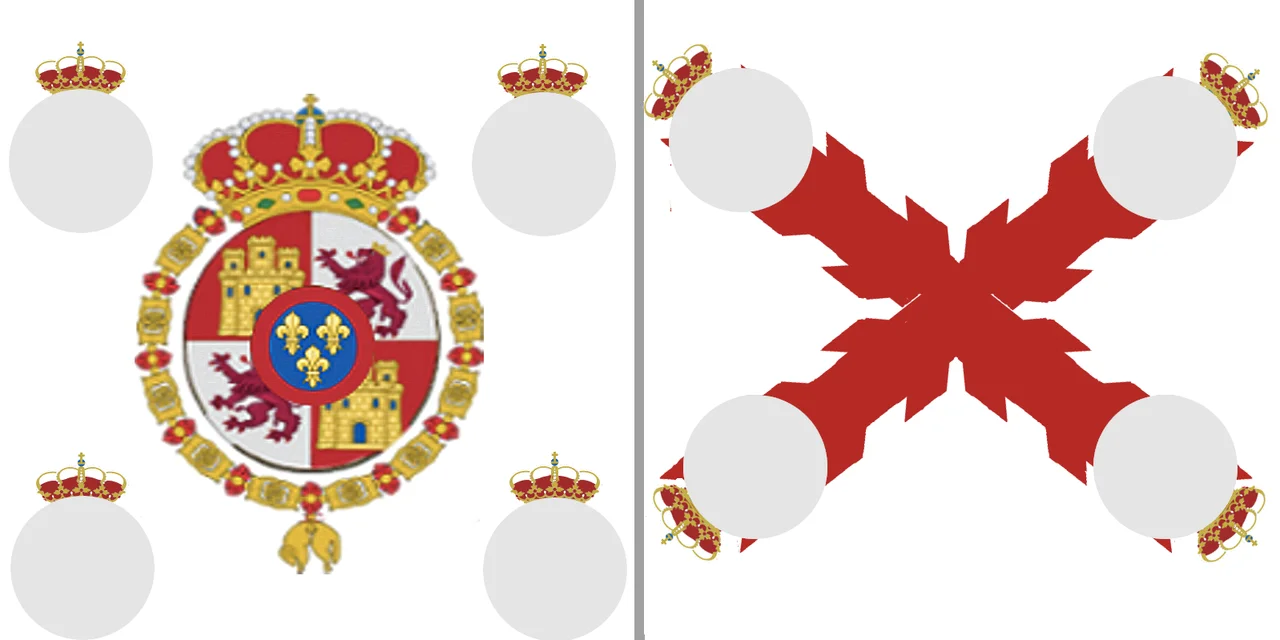

Battle of Cancha Rayada (1818)
It was half past seven in the evening on March 19, 1818, and the patriot soldiers camped on the plains outside Talca were not expecting a fight. They were still shuffling into new positions, ordered there hours earlier, when the royalist columns came out of the darkness from behind. The first many of them knew of the battle was the sound of it. In the confusion that followed, a horse was shot dead beneath the man who had proclaimed Chilean independence only weeks before, and Bernardo O'Higgins fell to the ground with a musket ball in his arm.
Two Armies, One Reluctant Fight
Neither commander truly wanted this battle. The Spanish brigadier Mariano Osorio had concentrated some five thousand royalist troops inside fortified Talca and seemed content to stay behind its walls. Roughly seven kilometers away, the patriot United Army, about seven thousand strong under the Argentine general José de San Martín, held the Cancha Rayada plains. San Martín feared an attack on his flank and ordered his men to shift position. It was Colonel José Ordóñez, chafing inside Talca, who pressed Osorio to strike. Permission granted, Ordóñez devised exactly the maneuver San Martín dreaded most: slip around the city under cover of night and fall on the patriot vanguard before it could form.
The Surprise in the Dark
Ordóñez's gamble worked. His attack landed on the battalion near O'Higgins's command, beside San Martín's own position, while the patriot ranks were still in motion. The vanguard scattered. O'Higgins, his horse killed and his arm bloodied, was suddenly exposed. San Martín made an uncharacteristic choice and held his ground rather than retreat, and more men fled under fire, abandoning their weapons and supplies in the dark. Only when the disorder became total did he order a withdrawal. The rear and reserves had at least repositioned, and they absorbed the blow, but they had no commander present. Colonel Juan Gregorio de Las Heras stepped into the gap, taking charge of the retreat and dragging back what artillery and arms he could.
A Costly Victory for Both Sides
Cancha Rayada was the only defeat the campaign suffered, and it was a brutal one. Around 150 patriot soldiers died and two hundred were taken prisoner; the entire Argentine artillery train was lost, along with horses, mules, and weapons from both the Chilean and Argentine divisions. Yet victory cost the royalists more. Of the roughly two thousand men who charged that night, two hundred were killed, three hundred captured, and some six hundred deserted afterward, more than half the assault force gone. These were real men on both sides, conscripts and volunteers, frightened in the dark, dying far from home over a continent's future they could not see whole.
From Disaster to Maipú
By March 21, the battered patriot army, down to about three and a half thousand men, regrouped at San Fernando. News of the defeat raced ahead of the truth. Rumors that both O'Higgins and San Martín had been killed swept Santiago, and panicked families began an exodus toward Mendoza across the Andes. San Martín sent word that he was reassembling his troops with happy results, already counting four thousand men. He was right to hope. Just seventeen days after the catastrophe at Cancha Rayada, on April 5, 1818, the same army met Osorio on the fields of Maipú near Santiago and destroyed the royalist force in roughly six hours of fighting, securing Chilean independence.
From the Air
The Cancha Rayada plains lie just north of Talca at roughly 35.41°S, 71.65°W, in Chile's Central Valley between the Andean foothills to the east and the Coastal Range to the west. The Maule River winds nearby, and the broad agricultural flats that hosted the battle are now vineyards and farmland. Panguilemo Airport (ICAO SCTL, IATA TLX) sits about 5 km northeast of Talca and is the closest field; Carriel Sur International (ICAO SCIE) at Concepción lies well to the south. A viewing altitude of 4,000 to 6,000 feet AGL gives a clear sense of the flat ground that let Ordóñez circle the city unseen. Clear summer-to-autumn skies offer the best visibility; winter brings frequent valley fog.
Nearby Stories
- Yerbas Buenas 8.2 km away
- Battle of Mataquito 13 km away
- Santa Olga 19 km away
- Altos de Lircay National Reserve 20 km away
- Chanco, Chile 42 km away
- Uruguayan Air Force Flight 571 79 km away
- Witches' Cave 109 km away
- 1687 Peru Earthquake 2250 km away