
Battle of Pydna (148 BC)
He was a wool-fuller from Aeolis, in modern western Turkey, and he looked enough like the dead Macedonian king Perseus that men who remembered the old royal family agreed to follow him. He called himself Philip, son of Perseus. Modern historians call him Andriscus, the False Philip. For a few astonishing months in the 140s BC, he reconquered Macedonia from the Roman client kings, defeated a Roman legion, and crowned himself in Pella as the last king Macedon would ever have. The Battle of Pydna in 148 BC was where Rome ended the experiment - and not, as a different battle of Pydna twenty years earlier had merely chastened Macedon, but ended it. After this fight the kingdom of Alexander the Great became a Roman province.
Two Battles, One Beach
Two famous battles bear the name Pydna. The earlier, in 168 BC, is the one most history books mean - Aemilius Paullus's destruction of King Perseus and the Macedonian phalanx, the moment usually cited as the death of Hellenistic kingship. This is the other one, twenty years later, on the same coastal plain at the foot of Mount Olympus. After 168 BC the Romans had not turned Macedonia into a province. Instead they broke it into four nominal republics - merides - meant to be too divided to threaten anyone. The system held for two decades. Then a fuller from Asia Minor decided he was a prince.
The Pretender
Andriscus claimed to be the son of Perseus, the king Aemilius Paullus had paraded through Rome in 167 BC. The real son had died young in Roman captivity. The pretender's first attempts at a rising failed humiliatingly. He fled to Thrace, raised an army among Thracian chieftains who had old grievances against both Rome and the Macedonian client republics, and tried again. This time it worked. He crushed Rome's local clients near the Strymon river, was crowned king in the old palaces, and overran Thessaly to the south. When the Roman senate sent a praetor named Publius Juventius Thalna to put him down, Andriscus annihilated the legion and killed Thalna in the fighting. He had achieved something no one expected - he had brought Macedon back.
Metellus Comes North
Rome was busy. The Third Punic War was in its final years and Carthage was being slowly strangled to death. Andriscus had even reached out to Carthage for an alliance. The senate could not afford another lost legion in Macedonia. They sent Quintus Caecilius Metellus with a full consular army of two legions and allied troops, perhaps twenty thousand men, and they sent the fleet of Attalus II of Pergamon to support him along the coast. Metellus avoided the inland route earlier commanders had taken and pushed up the Thessalian coast instead, with naval supply and naval threat both. Andriscus, worried about losing his coastal cities to amphibious assault, came out to meet him at Pydna - the same beach his supposed father had lost on twenty years before.
The Battle Itself
We know less about this fight than the first Pydna. Metellus probably deployed in the standard Roman triplex acies - hastati in front, principes behind, triarii in reserve, velites skirmishing forward and Roman and allied cavalry on the flanks. Andriscus had Thracian troops at his core, along with whatever Macedonian levies he had managed to raise; whether his men formed a true phalanx or fought in a looser order we do not know. He had also detached a portion of his army just before the engagement, confident enough in his strength to split his force. The confidence was misplaced. Metellus broke him in the field. Andriscus fled north. He raised one more hasty army in Thrace, was caught by Metellus before it was ready, and finally took refuge with a Thracian chieftain named Byzes. Byzes betrayed him to the Romans for whatever the price of betrayal was that year.
The End of Macedon
Metellus reorganized Macedonia as a Roman province and became its first governor. The dignity earned him the cognomen Macedonicus. He returned to Rome, celebrated a triumph, and watched Andriscus paraded through the streets in chains. The pretender was then executed - the standard end for a defeated foreign king walked through a Roman triumph. After Andriscus, Macedonia would not have a king again. Today the modern village of Kitros stands near the ancient site, and the coastal plain south of the Aliakmon delta is farmland and resort towns. Mount Olympus rises sharply to the west, its summit usually wrapped in cloud, the same mountain the Macedonian phalanx had marched in the shadow of for centuries. The two Pydnas, twenty years apart, were the two halves of a long ending - one that broke the kingdom, one that erased it.
From the Air
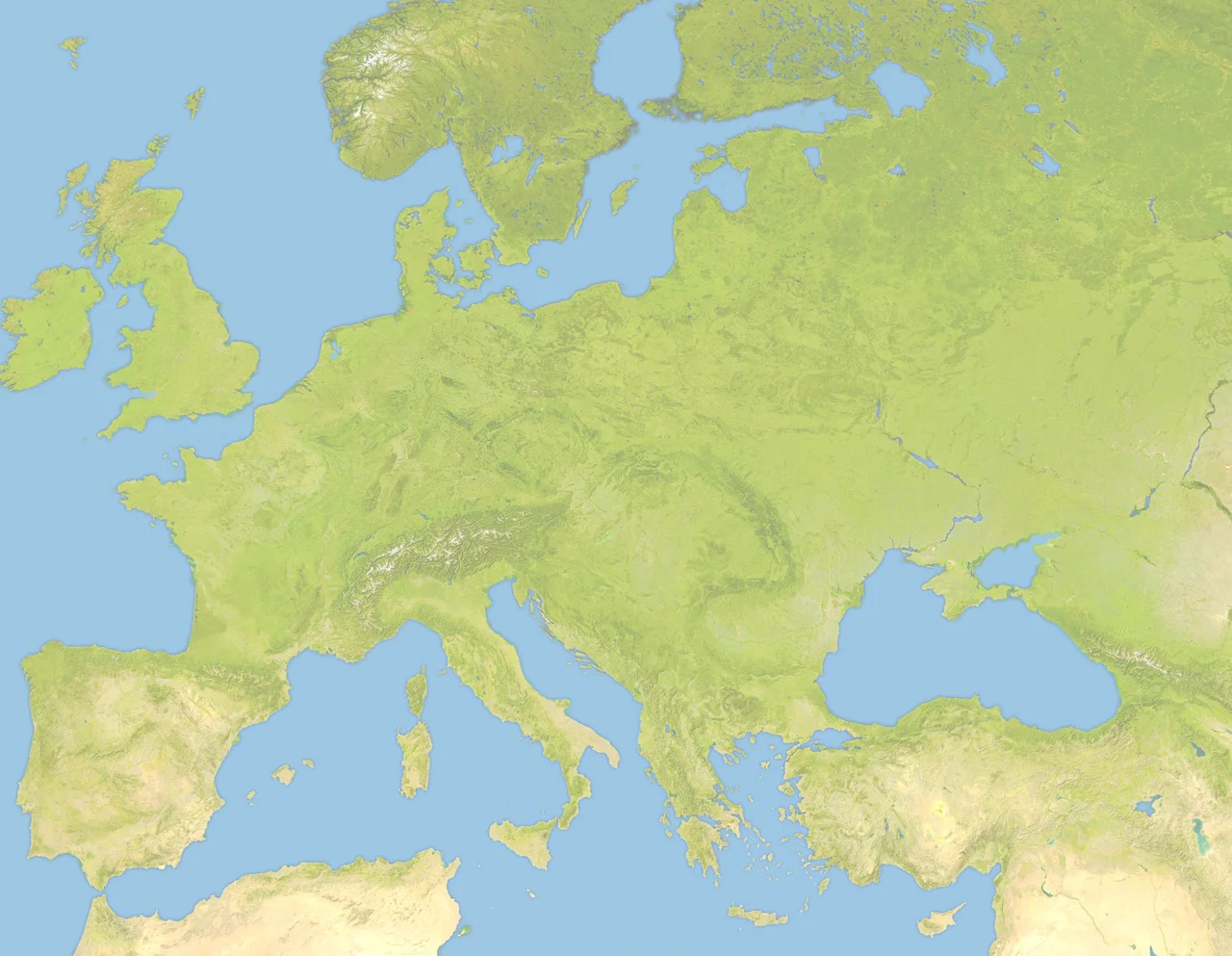
Located at 40.37 N, 22.58 E, on the coastal plain of Pieria in northern Greece, just south of the Aliakmon river delta. Best viewed at 3,000-6,000 feet altitude. Mount Olympus dominates the western horizon, rising to 2,917 m. Nearest airport is Thessaloniki (LGTS), about 70 km north.
Nearby Stories
- Battle of Spartolos 10 km away
- Battle of Thessalonica (995) 20 km away
- Tempi Train Crash 29 km away
- Meteora: The Monasteries Built on Impossible Pillars 59 km away
- Battle of Amphipolis 59 km away
- Skiathos Castle 99 km away
- Karditsa 110 km away
- Ohrid 127 km away