.png)
Battle of San Buenaventura
Captain Juan Castañeda's response to General José Castro's final ultimatum was four words: "Do as you please." It was March 27, 1838. Castro's force of approximately 100 men, armed with three cannons, had surrounded Mission San Buenaventura in what is now Ventura, California. The men trapped inside had been cut off from the mission's aqueduct and were drinking the mission's wine. The cannonade that followed would leave marks on the church walls visible for decades.
California Divided
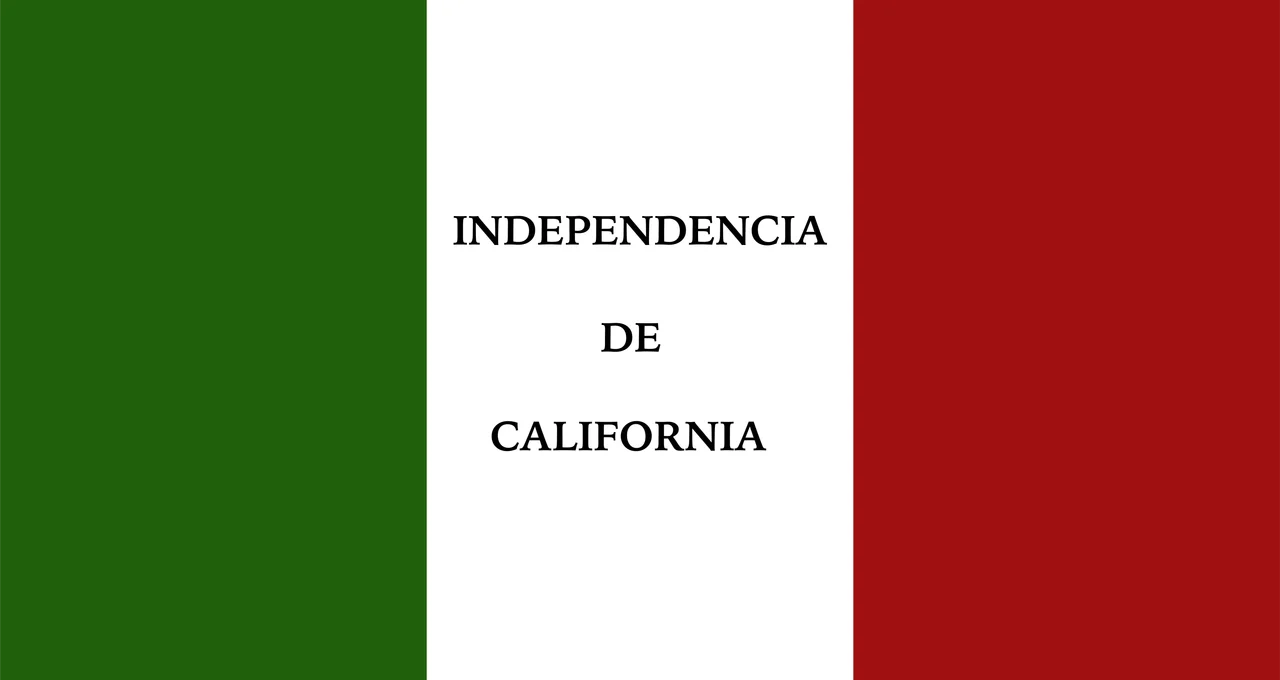
The battle grew from a schism that had been developing for nearly two years. California was then a Mexican territory, caught between two rival claimants to the governorship. Juan Bautista Alvarado had led a movement for California's independence from Mexico in 1836 and 1837, ultimately negotiating recognition as governor. But during that struggle, the Mexican government had also appointed Carlos Antonio Carrillo — owner of the 8,881-acre Rancho Sespe in Ventura County — as provisional governor. A formal ceremony inaugurating Carrillo was held in Los Angeles in December 1837. He promptly declared the ports of Monterey and San Francisco closed until the north submitted to his government. The line fell between Santa Barbara and Ventura, with the north behind Alvarado and the south behind Carrillo.
The Unguarded Pass
Castro's march south from Santa Barbara should have been stopped at the Rincon — a narrow passage between the mountains and the sea that became impassable at high tide. Local lore held that whoever held the Rincon could hold it against any enemy. To Castro's surprise, not a single sentinel had been posted there. His force passed through unopposed and undetected, arriving to surround the mission before Castañeda knew what was happening. On the morning of March 27, Castro offered a one-hour window to evacuate. Castañeda demanded the honors of war; Castro refused; the cannons opened fire. One man died in the battle — an Alvarado loyalist shot by a rifleman in the mission's bell tower. His name was Ramirez, a father of seven from Santa Barbara, and his death drove his comrades to direct a furious cannonade at the church.
A Sham Battle and Its Aftermath
Castañeda's men fled the mission under cover of darkness that first night. Most were captured the following day at Saticoy. Among the prisoners taken at the mission itself were some prominent figures: Andrés Pico, who would later negotiate the Treaty of Cahuenga ending the Mexican-American War in California; Luis Arenas, who became mayor of Los Angeles from 1838 to 1839; and Ygnacio Palomares, owner of lands that now encompass Pomona, San Dimas, Azusa, Covina, Glendora, and Claremont. Historian Sol N. Sheridan later wrote that the whole affair 'resembled rather a sham battle, than the real thing.' Carrillo retreated to San Diego and surrendered after a 'mock battle' at Las Flores. Alvarado continued as governor until 1842.
The Cannonball in the Wall
The battle left its mark literally on Mission San Buenaventura. Damage from Castro's cannonade was visible on the church's exterior walls for years afterward. During repairs conducted in 1874, workers extracted a cannonball from an exterior wall — a physical remnant of California's brief, internecine civil conflict. The mission still stands in the heart of downtown Ventura, one of the few California missions to retain something close to its original form.
From the Air
Mission San Buenaventura sits at approximately 34.28°N, 119.30°W in downtown Ventura, California, a block from the Pacific coastline. From the air, the mission's white walls and red tile roof are visible just south of US-101 where it hugs the coast. Nearest airports: Oxnard Airport (OXR) about 8 miles southeast, Santa Barbara Airport (SBA) about 25 miles northwest.
Nearby Stories
- Channel Islands: The California That Cars Never Reached 11 km away
- Ronald Reagan Presidential Library 12 km away
- Topanga 21 km away
- Antelope Valley California Poppy Reserve 41 km away
- The San Andreas Fault at Carrizo Plain 58 km away
- Hearst Castle 166 km away
- USS Higbee 182 km away
- The San Joaquin Valley: America's Grocery Aisle, Hidden in Plain Sight 253 km away