
Capture of Minorca (1708)
When the Anglo-Dutch ships stood into the bay in September 1708, the people on shore did not reach for their weapons. They came out to greet the invaders as liberators. The Menorcans, like the Catalans across the water, had thrown their loyalty behind the Austrian claimant to the Spanish throne, and to them the arriving soldiers were friends, not conquerors. It was a strange, almost bloodless kind of conquest, and it began a chapter that would tie this small Mediterranean island to distant London for the better part of a century.
A Welcome, Not a Fight
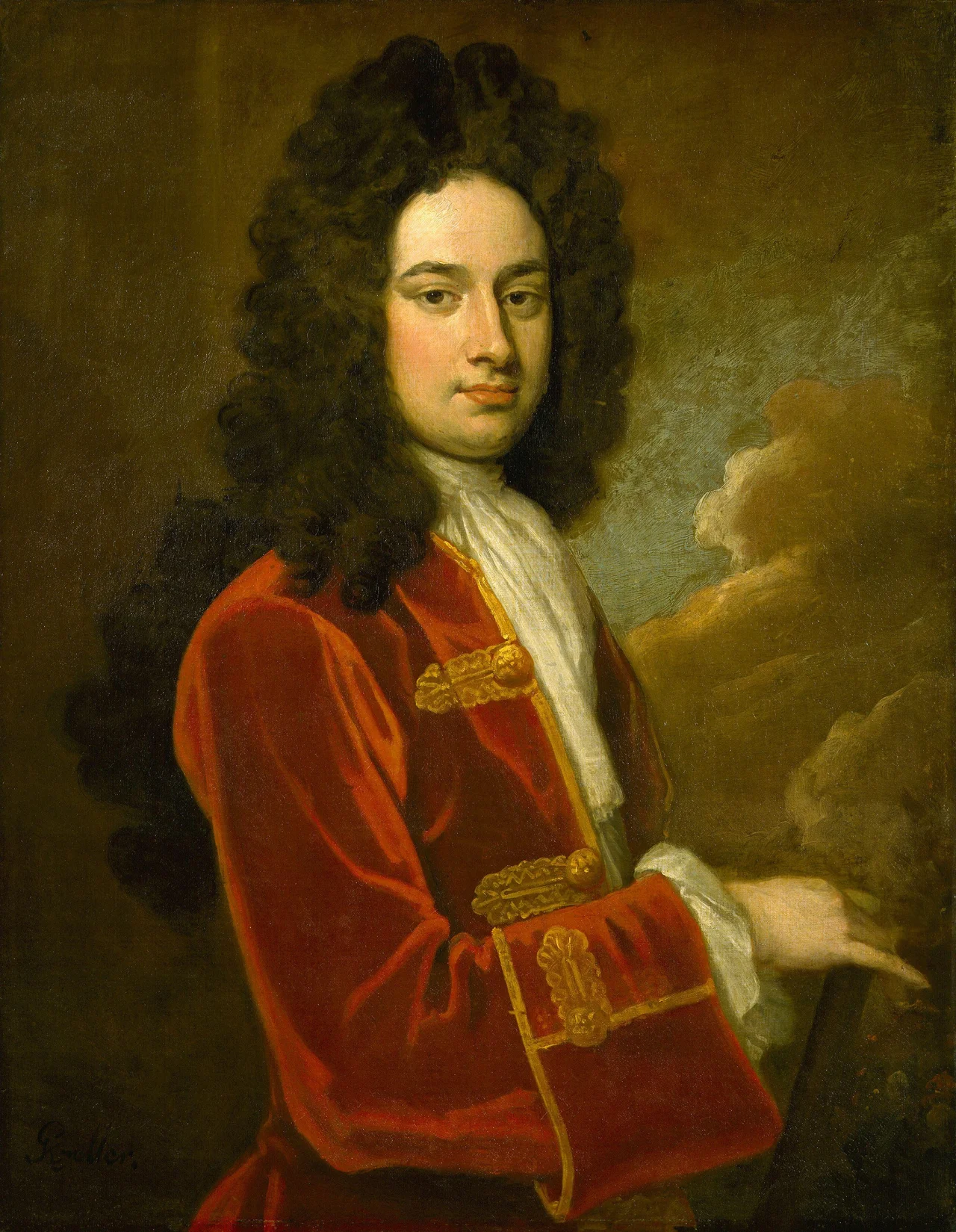
On 14 September 1708 a naval force under General James Stanhope landed on Menorca and laid siege to the town of Mahón. He did not have to fight the population. Sir Edward Whitaker, sailing with Sir John Leake's Mediterranean squadron, swept up the rest of the island, taking Fornells and Ciutadella de Menorca while Stanhope pressed the main siege. The Franco-Spanish garrison held out for only about a week before surrendering. For a campaign that handed Britain one of the most valuable positions in the Mediterranean, the cost in blood was remarkably small, thanks in large part to an island that had already decided whose side it was on.
Why Anyone Wanted Menorca
The prize was not the island's size but its harbour. Mahón commands one of the finest deep natural anchorages in the Mediterranean, a long protected inlet where a fleet could ride safely and refit far from home. Britain had already seized Gibraltar in 1704, and Menorca offered the second half of a strategy: a pair of strongholds from which the Royal Navy could watch the western Mediterranean and threaten French and Spanish shipping. Once the British grasped what they held, they moved to keep it for good, and they poured money into rebuilding the island's fortifications to make the anchorage a true naval base.
A War of Two Kings
The whole affair grew out of a dynastic quarrel that had set Europe alight. Since 1702 the powers had been at war over who should inherit the Spanish crown, with Britain and the Dutch Republic backing the Austrian candidate, the future Charles VI, Holy Roman Emperor, while France and her allies supported a French claimant, Philip V. The Allies had already captured Gibraltar and fought a Franco-Spanish fleet to a stalemate at the Battle of Málaga in 1704, then landed in Catalunya and taken Barcelona in 1705. The Catalans largely favored the Austrian side, and many joined the Allied armies, which is precisely why the Menorcans, sharing that allegiance, welcomed the 1708 landing rather than resisting it.
A Century as a Prize
The peace made the conquest permanent, for a while. At the Treaty of Utrecht in 1713, Britain formally annexed Menorca as its own possession. Trade boomed under British control, and the rebuilt fortifications turned the island into a fixed point in Britain's Mediterranean security. But a prize this valuable could not stay quiet. Menorca changed hands repeatedly over the following decades, in battles and sieges and invasions, until it was finally handed back to Spain in 1802 under the Treaty of Amiens. For almost a hundred years, an island of farmers and fishermen kept being fought over by empires that valued it for a single, superb harbour.
From the Air
The events centered on Menorca, with the island's coordinates given as 39.883 N, 4.05 E. The real focus is the great natural harbour of Mahón (Maó) on the east coast, one of the largest and deepest natural anchorages in the world, best appreciated from 2,500 to 4,500 feet as a long fjord-like inlet reaching inland. Look for the fortifications guarding the harbour mouth, the legacy of the British naval base. Menorca airport (LEMH) sits just southwest of Maó; Palma de Mallorca (LEPA) lies west across open sea. Menorca's strong tramuntana winds shaped the sailing history told here; clear days give sweeping views of the whole low, green island.
Nearby Stories
- Castle of Capdepera 14 km away
- Cuevas del Drach 16 km away
- Coves dels Hams 62 km away
- Llobregat Delta 179 km away
- Somorrostro 213 km away
- Gouraya National Park 313 km away
- Porto Flavia 333 km away
- Cosquer Cave 355 km away