
Donghe, Taitung
The name Fafokod — the Amis word for "fishing by net" — tells you what this stretch of Taiwan's east coast was always about. Long before the township acquired its current Mandarin name, Donghe was a place where people read the Pacific and lived by what they pulled from it. That relationship with the sea persists, though the catch now includes surfers riding the same swells that once challenged fishing canoes.
What the Amis Built Here
The indigenous Amis people are the majority community in Donghe, and their presence predates every colonial chapter in the township's recorded history. Archaeological artifacts from the prehistoric Dulan Site, found within the township's boundaries, push the human story back thousands of years. Under Qing dynasty administration, Donghe fell under the Pi-lam Subprefecture — a distant bureaucratic jurisdiction that had little practical effect on Amis village life along the coast. Japanese colonial rule brought more direct transformation: a local administrative office was established in 1920, and the area was reorganized as Toran Village under the Shinkō District by 1937. The current name Donghe was adopted after World War II. Through all these administrative renamings, Amis culture retained its anchor here. The language, ceremonial life, and community structures that Fafokod once named are still recognizable in the township today.
Where the Pacific Arrives
Donghe faces the Pacific directly, with no offshore barrier to slow the ocean down. The swells that roll in unimpeded from open water have made the coast around Jinzun Fishing Harbor one of Taiwan's premier surf spots. The Taiwan Open of Surfing has been held at Jinzun since 2011, drawing competitors and spectators to a stretch of coast that most of the island had barely heard of before surfing culture arrived. The geography shapes everything: the Haian Range — the Coastal Mountain Range — rises steeply just inland, compressing the township into a ribbon of coastal and basin land. Streams run north to south, funneled by the terrain. The climate is tropical monsoon, which means the Pacific delivers rain as generously as it delivers waves.
The Bun That Stops Tour Buses
Travelers on Provincial Highway 11 — the scenic coastal road that threads through Donghe — have been making a specific stop for decades. Donghe Baozi are steamed buns with a soft, pillowy exterior and a filling of pork and bamboo shoots that has achieved something rare in Taiwanese food culture: genuine island-wide recognition. Tour buses pause here as a matter of routine. The buns are made fresh throughout the day, and the queue at the counter can be long in the morning, when the first trays come out of the steamers. It is the kind of food that becomes a landmark not because of any official recognition but because enough people drove this coast, ate one, and told someone else about it.
Living Between Ranges
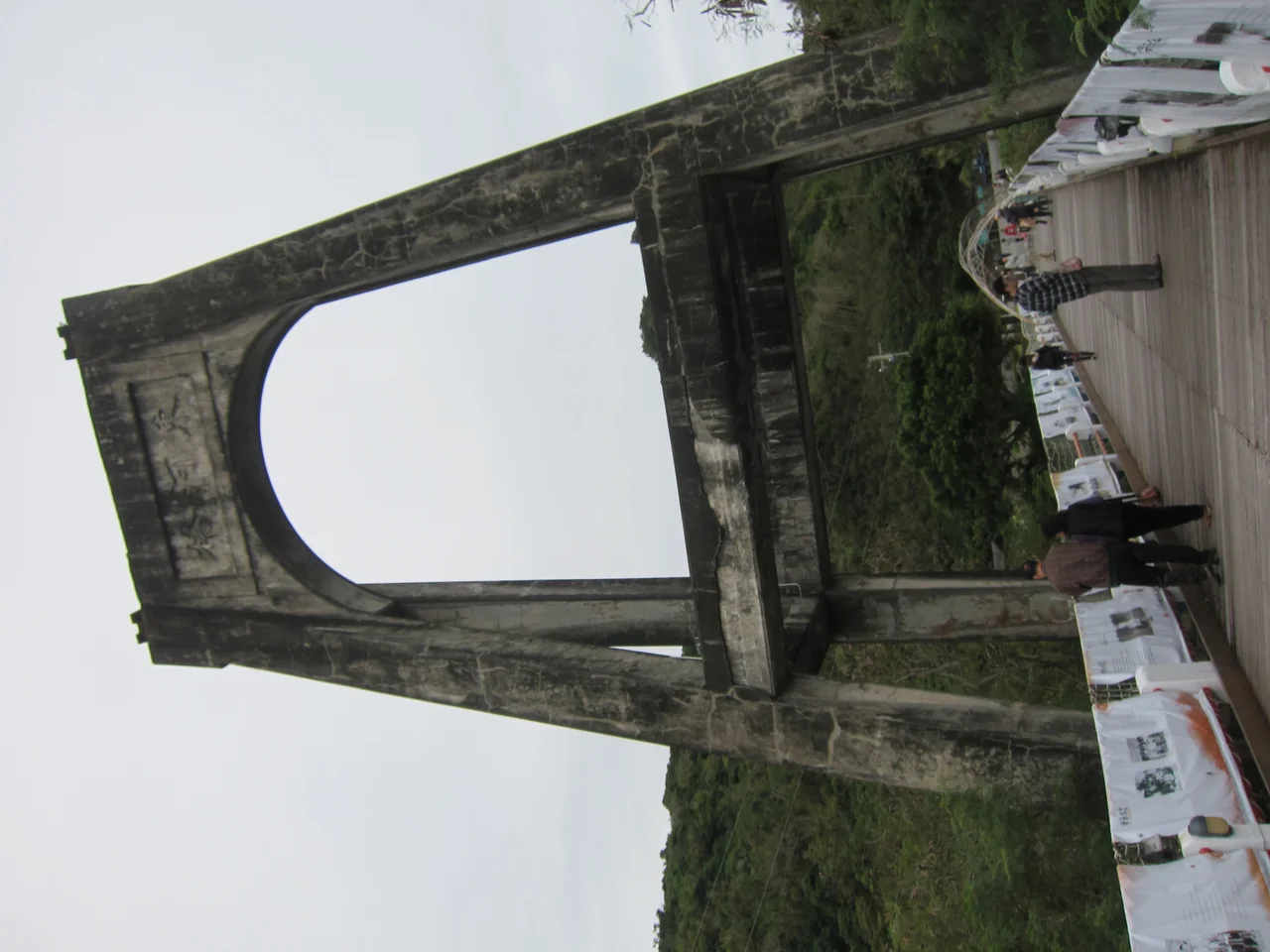
The township's geography divides naturally into two zones: the coastal fringe along the Pacific, and the basin areas where the streams slow and the land opens slightly. Dulan Mountain rises to the west as a visible reference point, while the Old Donghe Bridge over Mawuku Creek marks the township's northern boundary with Chenggong. Notable natives include singer and actor Van Fan and professional baseball player Yu Chang — figures who carried something of this coastal margin into wider Taiwanese public life. Donghe is the kind of place that produces people with a particular independence of character, shaped by living between the ocean and the mountains with not much flat ground in between.
From the Air
Donghe Township centers on approximately 22.975°N, 121.298°E along Taiwan's Pacific coast. At 4,000–6,000 feet, the Haian Range runs as a sharp spine parallel to the coast, with the narrow coastal plain of Donghe visible between the mountains and the open ocean. The Pacific is a deep blue to the east; the mountain ridgelines catch clouds from the northeast monsoon in winter. Nearest airport is Taitung Airport (RCFN), approximately 25 kilometers to the south-southwest. The mouth of Mawuku Creek and the distinctive white span of the Old Donghe Bridge are useful visual landmarks when approaching from the south along the coast.
Nearby Stories
- Green Island, Taiwan 2.1 km away
- Hai'an Range 13 km away
- Namasia District 23 km away
- Baolai Spring Park 30 km away
- Wanchin Basilica of the Immaculate Conception 35 km away
- Twin Forts of Romblon 1123 km away
- Sibuyan Island 1172 km away
- Sinking of MV Sewol 1284 km away