
Highland Park Distillery
Magnus Eunson was a butcher by trade, a church officer on Sundays, and an illegal distiller every other night of the week. He stashed casks under the pulpit of his Kirkwall church on the theory that the excise men would not search consecrated ground, and when they came close he organised funerals around them, complete with mourners. In 1798 he was finally caught at the spot above Kirkwall now occupied by Highland Park, the northernmost single malt Scotch whisky distillery in the world. It took Highland Park another twenty-eight years to go legitimate.
The Smuggler at High Park
Late eighteenth-century Orkney was awash in illicit whisky. Highland malt was taxed savagely while Lowland produce was not, and a thriving black market ran from Speyside down to Edinburgh and across to the Northern Isles. Eunson worked the spot above Kirkwall known as High Park, where a fresh spring rose through peat thick with heather rather than the sphagnum that dominates Islay's bogs. The character of that water and that peat would eventually define Highland Park's flavour. In 1798 the excise officers caught him distilling and the operation was raided. Eunson is the founder Highland Park claims today; whether the modern distillery sits on the exact stones he used is debated, but the site is the same, the water source has not moved, and the date is universally honoured. Highland Park celebrated its 225th anniversary in 2023 with a 54-year-old single malt release.
Going Legitimate, 1826
It took nearly thirty years after Eunson's bust for the site to receive a proper licence. By 1826 the political winds had shifted; the Excise Act of 1823 had cut duties on legal whisky and made licensing affordable to small operations. Highland Park went legal and never looked back. Through the nineteenth century the distillery expanded slowly, supplying blenders and gradually building a name for single malt. The Edrington Group, which also owns the Macallan, purchased Highland Park in 1979 and committed serious capital to its premiumisation. The result is one of Scotch whisky's most awarded single malts; F. Paul Pacult, the American spirits critic, has named Highland Park the best spirit in the world three times. The 25-year-old expression became the first spirit ever to earn a perfect 100-point score at the Ultimate Spirits Challenge.
Heather Peat and Sherry Oak
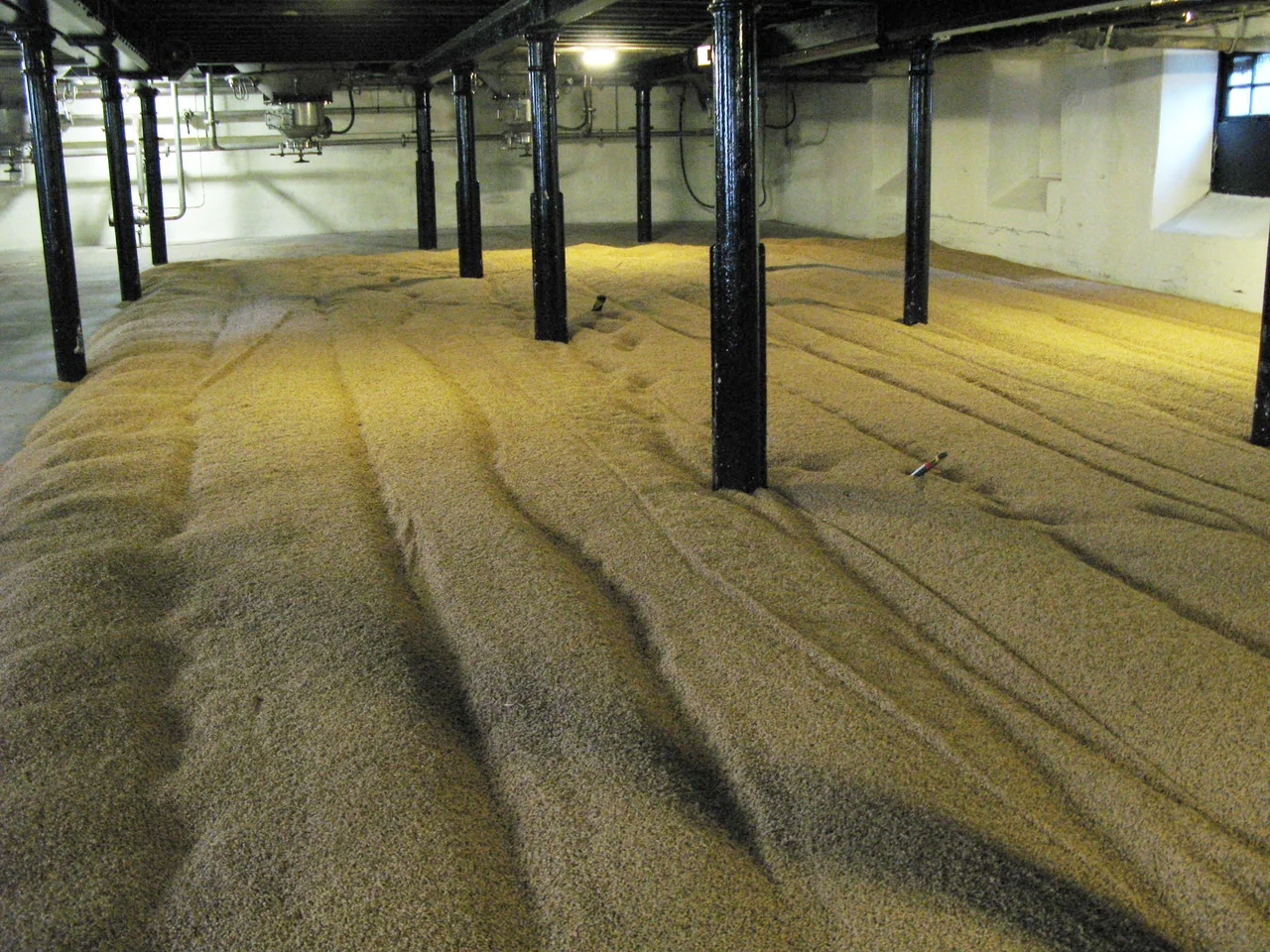
Highland Park's character comes from two things mainland distilleries cannot replicate. First, the peat: Orkney's peat is unusually rich in heather rather than woody bog material, producing a smoke that is sweeter and more floral than the medicinal phenols of Islay. The distillery still cuts its own peat from the Hobbister Moor a few miles south, and it still floor-malts a portion of its barley over heather smoke, a labour-intensive practice almost extinct in modern Scotch production. Second, the maturation: Highland Park ages its spirit predominantly in sherry casks of American or European oak, sourced from Oloroso producers in Spain. The combination produces a whisky with the rare quality of being identifiably smoky and identifiably sherried at the same time, with the heather note threading through both.
A Range From 12 to 54
The classic range runs from the 12-year-old Viking Honour, an entry-level malt popular in airports and bars worldwide, through 15, 18, 21, and 25-year-olds to a 30 and a 40. The 54-year-old released for the 225th anniversary in February 2023 sits at the absolute top of the catalogue, the oldest expression Highland Park has ever bottled. Beyond these the distillery runs cask strength releases, single cask series, and travel-retail ranges named for Orkney geography: Land of Orkney, Sea of Orkney, Sky of Orkney. The branding plays heavily on the islands' Viking heritage, which is not affectation; Orkney was Norse for over five centuries, and the Viking iconography on Highland Park labels traces real ancestry rather than marketing fancy.
Visiting the Distillery
Highland Park sits on a low rise on the southeastern edge of Kirkwall, ten minutes' walk from the cathedral. The visitor centre offers tours that take in the malting floors with their heather-smoke kilns, the still house with its squat copper pot stills, and the dunnage warehouses where casks slumber on earthen floors that have kept the same humidity for two centuries. Tasting flights are generous. The peat smell on the malt floor is unlike any other in Scotch whisky: drier than Islay, sweeter than Highland, threaded with something that is recognisably Orcadian once you have spent a few days breathing the local air. The smugglers and the saints both started here. The whisky has outlasted them.
From the Air
Located at 58.9686 degrees north, 2.9555 degrees west, on the southeastern edge of Kirkwall. Best viewed at 1,500 to 3,000 feet AGL; the distillery's pagoda-roofed malt kilns stand out against the surrounding low buildings, with the Hobbister Moor peat workings visible to the south on clear days. Nearest airport is Kirkwall (EGPA), two miles southeast. Aberdeen (EGPD) is the main mainland alternate. Orkney weather is variable; expect crosswind components on most approaches to EGPA.
Nearby Stories
- Pentland Skerries 5.4 km away
- Thurso 13 km away
- HMS Daring (H16) 42 km away
- Wolfburn Distillery 42 km away
- Orcadian Basin 55 km away
- Fair Isle 57 km away
- Jarlshof 119 km away
- The Laki Eruption: The Volcano That Changed World History 941 km away